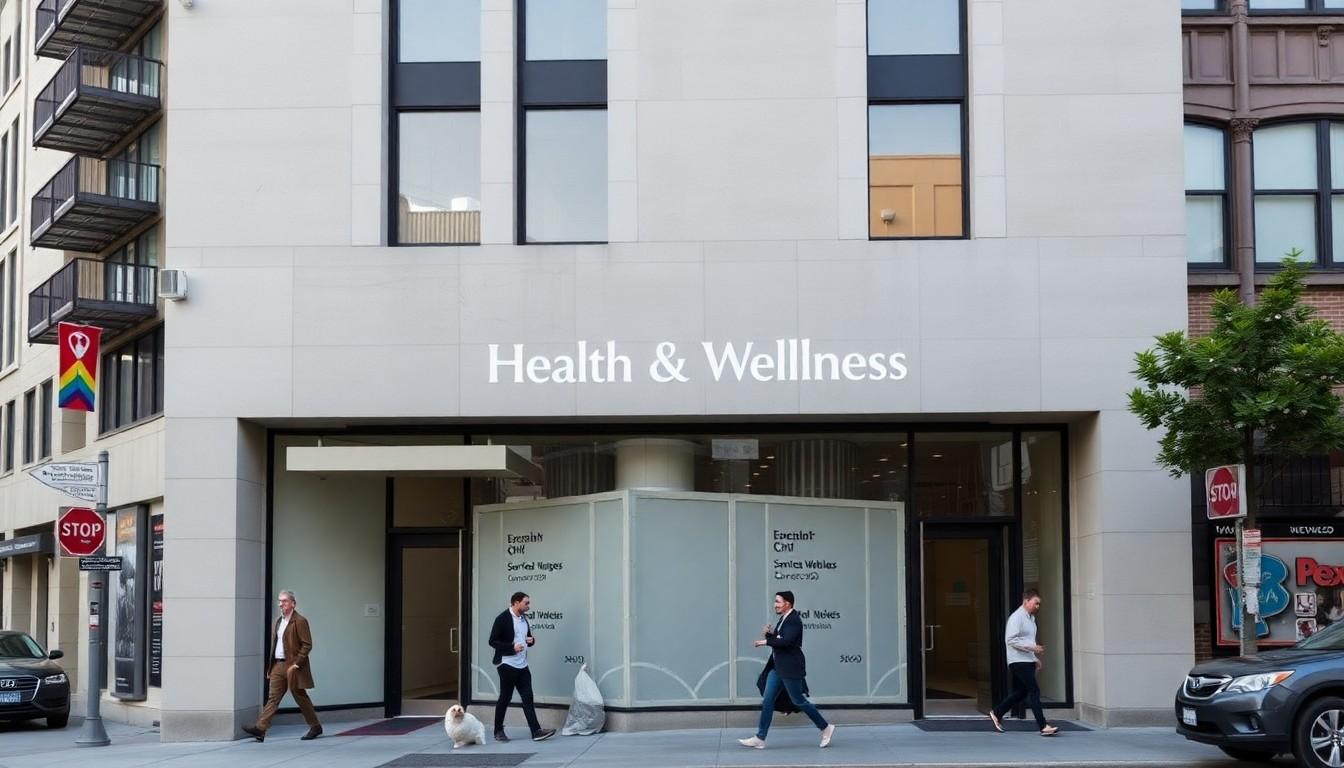
San Francisco has approved plans for Sanctum Baths, its first new gay bathhouse in more than 40 years. The proposed two-storey venue at 40 12th Street is being developed as a professionally run wellness and community space, with cleanliness, safety and privacy at its centre. It’s a notable planning decision, but opening day is still some way off.
Essential Takeaways
- Permits approved: San Francisco’s Planning Commission voted 7-0 on 5 November to approve permits for Sanctum Baths.
- A late 2027 target: Owner Kevin Born still needs to hire an architect, complete the design and build the venue.
- A central site: The planned bathhouse will occupy a two-storey building of about 700 square metres at 40 12th Street.
- A long legal shadow: Rules introduced in 1984 restricted private rooms and required staff monitoring, helping bring the city’s bathhouses to a close.
- More than a planning decision: The proposal is also part of a wider return to the question of how bathhouses fit into LGBTQ community life and public health.
A unanimous vote, but opening day is still ahead
San Francisco’s Planning Commission has approved plans for Sanctum Baths, a proposed gay bathhouse at 40 12th Street. The 7-0 vote on 5 November gives the project a significant step forward, though the venue isn’t ready to open its doors.
According to Gayety, Kevin Born still needs to hire an architect and secure building permits before construction can begin. Born is aiming for a late 2027 opening, so there’s a fair stretch between the commission’s decision and the first visit. (Paragraph 1: [4])
A new venue with privacy in mind
The proposed bathhouse will take over a two-storey building of about 700 square metres, previously used as the headquarters of Born’s construction firm. DNA describes the plan as a professionally operated health, wellness and community venue, with cleanliness, safety and privacy among its stated priorities. (Paragraph 2: [2])
The design details suggest that privacy and street presence are being considered together. Gayety reports that the proposal includes obscured but translucent glazing, intended to keep the frontage active while limiting views inside. That’s a small architectural detail with a large job: helping the venue feel part of the street without making patrons feel exposed. (Paragraph 3: [4])
Why San Francisco’s bathhouses disappeared
The city’s approval comes after decades of legal and political change. In 1984, rules barred private rooms with locking doors and required staff to monitor patrons’ sexual activity, restrictions that made bathhouse operations difficult and helped drive closures. The San Francisco AIDS Foundation’s history also shows that the debate was contested, with advocates arguing that venues could support prevention information and safer practices rather than simply be shut. (Paragraph 4: [6])
Later changes helped make a return possible. Axios reports that supervisors repealed longstanding restrictions in 2020 and zoning changes in 2022 opened a path for bathhouses in historically LGBTQ neighbourhoods. So Sanctum’s approval reflects not just a single building proposal, but years of efforts to revise the rules around these spaces. (Paragraph 5: [3])
The location links past and present
Sanctum is planned for a central site in the Leather & LGBTQ Cultural District, at 40 12th Street. Axios says the proposal includes saunas, steam rooms, showers, private changing areas and lounges, bringing a mix of facilities associated with bathhouse and community use under one roof. (Paragraph 6: [3])
The wider history helps explain why the venue matters to more than its future customers. The San Francisco AIDS Foundation describes bathhouses as places that could include gyms, pools, saunas, steam rooms and lounges, as well as opportunities for social connection. That history is a useful reminder that the story is about community spaces as well as nightlife. (Paragraph 7: [6])
What happens before Sanctum can open?
For now, the practical next steps are architectural work, building permits and construction. Gayety stresses that commission approval isn’t the same as an opening, while the Planning Commission transcript records Born’s stated plans for staffed entry, secure changing facilities, wellness areas and procedures covering cleanliness, privacy, security and neighbour communication. Those are plans shared during the hearing, not proof that the venue is already operating. (Paragraph 8: [4], [7])
Sanctum was first proposed under the name The Maze before adopting its current name. DNA reports that Born has described his ambition as creating the “Four Seasons of bathhouses”, a polished vision that will now need to meet the slower realities of design and build-out. (Paragraph 9: [2])
The approval is a clear milestone, but the story is still unfolding. For San Francisco, the prospect of a new bathhouse also reopens an old conversation about public health, privacy and the role these venues can play in LGBTQ life. (Paragraph 10: [3], [6])
Closing Line
Sanctum has planning approval; the long-awaited doors are still on the horizon.
Source Reference Map
Story idea inspired by: [1]
Sources by paragraph: