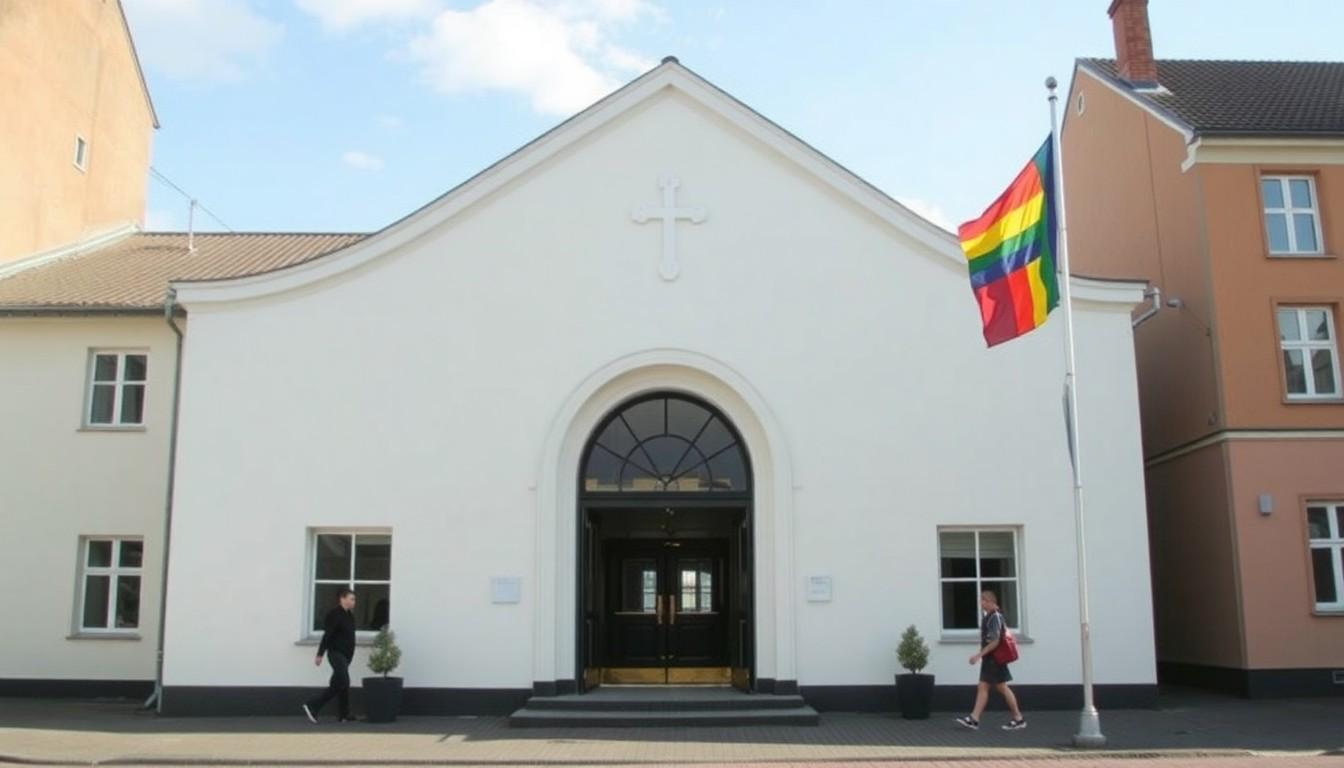
A new Church of Sweden review has brought LGBTQIA+ issues and polyamory into a wider theological conversation. Polyföreningen welcomes the initiative, arguing that love, honesty and responsibility aren’t exclusive to couples. The discussion matters beyond the church, too: its next steps could influence how people in Sweden think about multi-partner relationships, even though the review isn’t a final ruling.
The Church’s review is a beginning, not a verdict
Polyföreningen has welcomed the Church of Sweden’s knowledge review on LGBTQIA+ issues and polyamory. The association’s representatives argue that recognising multi-partner relationships doesn’t mean abandoning care, honesty or commitment.
That distinction matters because the review isn’t a settled theological position. The Church of Sweden says it was commissioned after a decision by its 2024 Church Assembly and brings together research, personal experiences and earlier theological work to support further discussion.
The process is expected to continue over several years. The Church plans to identify topics for deeper reflection in 2026, develop that work in 2027 and prepare a final report to support future decisions in 2028.
Polyamory is not the same as ‘anything goes’
A central question raised by Polyföreningen is whether fidelity, mutual care and responsibility must depend on romantic or sexual exclusivity. The association’s answer is no: it says relationships can be guided by those values without being limited to two people.
That’s an argument about how commitment is understood, rather than a claim that every relationship works in the same way. The authors say multi-partner relationships, like two-person ones, need honesty, trust and a willingness to repair hurt when it happens.
Polyföreningen describes itself as independent of religion and political parties. Its stated aim is for people in alternative relationship forms to be accepted on equal terms with those in monogamous relationships.
What research can - and can’t - tell us
US research suggests consensual non-monogamy isn’t an exceptionally rare experience, but the figures depend on how researchers define it and whom they survey. One study reported that around one in nine respondents in its sample had engaged in polyamory at some point, while around one in six said they wanted to.
Those numbers shouldn’t be treated as an estimate for Sweden. The study’s authors caution that findings depend on definitions and samples, and US results don’t establish how many people in Sweden are polyamorous.
Attitudes remain mixed, too. A separate US study found that monogamy was generally seen as the norm and that support for legal rights for polyamorous relationships was limited overall, although younger respondents, LGBQ respondents and people who knew someone polyamorous were less likely to hold mononormative views.
Recognition can be practical, but local rules have limits
West Hollywood offers one example of local recognition. Its ordinance creates a registration process for consenting relationships involving at least three adults who share life’s necessities and accept responsibility for one another’s welfare.
The measure provides specific local protections, including visitation rights in healthcare facilities and jails. But it doesn’t make registered relationships equivalent to marriage or grant all the rights available to married couples under state or federal law.
That distinction is useful when headlines about recognition sound sweeping. In this case, the city has established a local process with defined protections, not equal legal status with marriage.
Visibility brings questions as well as resistance
Greater visibility doesn’t mean everyone is persuaded. Research on US attitudes finds continuing resistance, while a study of polyamorous adults links stigma and discrimination with psychological distress. That study also found mindfulness associated with a weaker negative impact of minority stress, though it doesn’t show that everyone has the same experience.
For the Church of Sweden, the immediate task is to keep the discussion open rather than announce a conclusion the review hasn’t reached. For people in multi-partner relationships, being considered fairly is part of the point.
The next stage is worth watching
The review gives the Church a shared basis for discussion, and its planned work means the debate will continue well beyond the initial publication. How the Church handles that process could shape whether people in polyamorous relationships feel genuinely included.
For now, the most useful question may be a simple one: what does commitment look like when a relationship isn’t exclusive?
Source Reference Map
Story idea inspired by: [1]
Sources by paragraph: