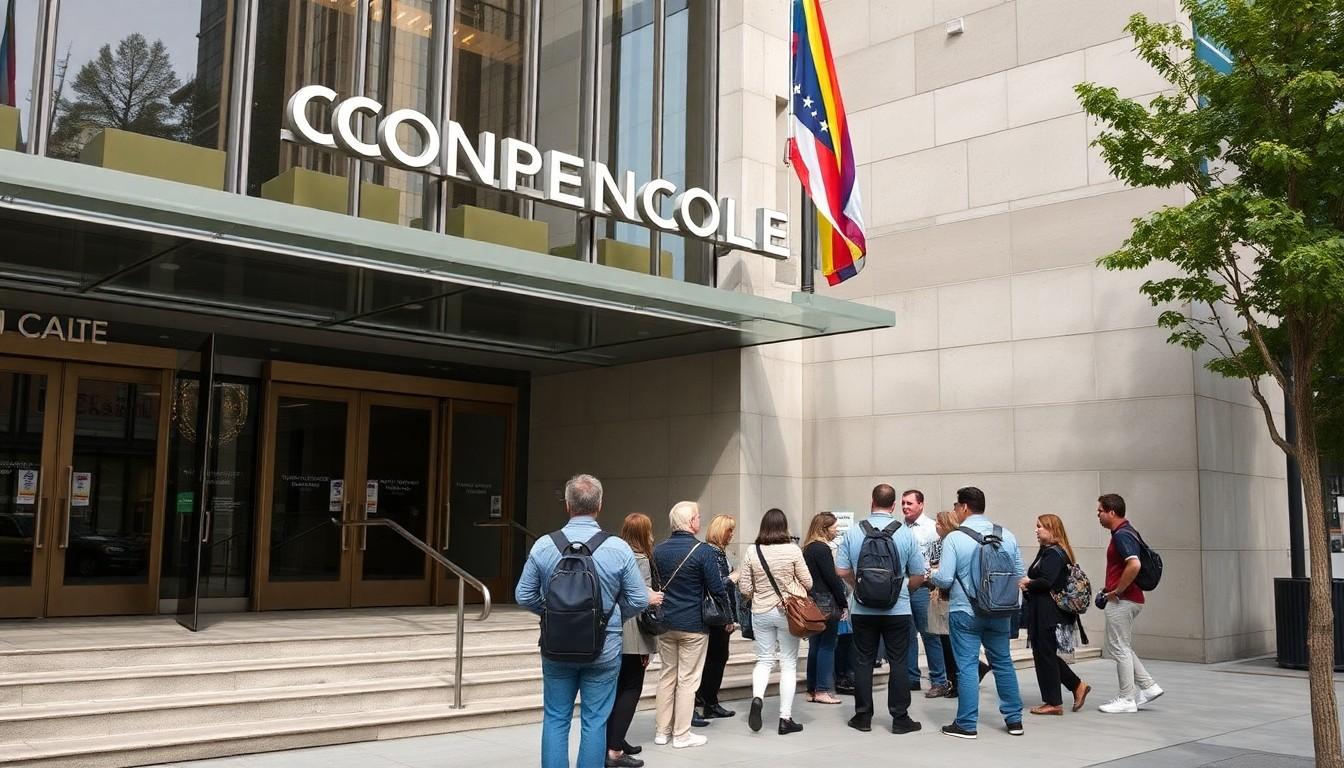
Journalists gathered in San Francisco in September 2026 to mark 35 years of NLGJA, the Association of LGBTQ+ Journalists. The anniversary celebrates a community that has helped bring queer voices into mainstream news, while also recognising the work still needed to make newsrooms fairer and more inclusive, particularly for trans and nonbinary journalists.
Essential Takeaways
- A Bay Area beginning: NLGJA was founded in 1990, with its first national convention held in San Francisco in 1992.
- A name that grew: The association’s public identity evolved to reflect a broader LGBTQ+ community, while its incorporated legal name remains unchanged.
- Support beyond the anniversary: Scholarships, mentoring, networking and student programmes help journalists at different stages of their careers.
- Inclusion remains unfinished: NLGJA continues to address barriers facing trans and nonbinary journalists and challenge unfair or inaccurate coverage.
A San Francisco gathering with a long history
A reunion can be a celebration and a reminder of how much has changed. At NLGJA’s 35th anniversary gathering in San Francisco, journalists came together to honour the organisation’s history and the work of making LGBTQ+ people more visible in mainstream news.
The location carries particular meaning. NLGJA began in the San Francisco Bay Area in 1990, while its first national convention took place in the city in 1992. The organisation’s official timeline describes those early meetings as part of a longer effort to build a professional network and advocate for fair, accurate coverage.
The name changed as the community widened
NLGJA was founded as the National Lesbian and Gay Journalists Association. Its public name has since evolved to include LGBTQ+ journalists, reflecting a broader understanding of who belongs in the organisation and whom it serves.
The association’s 2023 explanation of its branding makes an important distinction: the public identity changed, but the incorporated legal name did not. That may sound like a technical detail, but it shows how an organisation can update the language it uses while retaining its formal structure.
The work goes beyond a yearly convention
Anniversary events look back, but NLGJA’s day-to-day work is about building what comes next. The association lists scholarships, mentoring, networking opportunities and professional development among its ways of supporting LGBTQ+ journalists, communicators and students.
Its programmes also include CONNECT, a multimedia journalism training project for students. In its announcement of the 2026 cohort, NLGJA said participants would attend the San Francisco convention, work with mentors and produce journalism for their portfolios. For an aspiring reporter, seeing experienced professionals make room for the next generation can be a powerful thing.
Fairer coverage still needs active work
Representation is not only about who gets a byline. NLGJA also works to improve how LGBTQ+ communities are covered, through resources such as its terminology stylebook, newsroom outreach and a Rapid Response Task Force that responds to unfair or inaccurate reporting.
That work sits alongside a more personal challenge: creating space where trans and nonbinary journalists are respected and included. The anniversary is a reason to celebrate progress, but it also makes clear that belonging in journalism is not something to take for granted.
A documentary looks back, while students look ahead
A documentary about NLGJA’s early years, directed and produced by lifetime member Senta Scarborough, gives the organisation a chance to tell its own story. Scarborough has described the value of helping audiences understand journalists and why diverse reporting matters.
The forward-looking side of that story can be seen in CONNECT, where students learn from working journalists and build practical experience. As the organisation marks 35 years, its history is not just something to archive. It is also a way for emerging reporters to see a path into the profession.
A milestone is worth celebrating; making that sense of belonging last is the work ahead.
Source Reference Map
Story idea inspired by: [1]
Sources by paragraph: