Memphis will observe Transgender Day of Remembrance on 20 November, honouring transgender people lost to violence while recognising the community support built around them. The annual date follows Transgender Awareness Week, but remembrance is more than a ceremony: local organisations offer practical help, connection and places to feel welcome. Here’s why the day matters, and where people can find support.
Essential Takeaways
- A day of remembrance: Transgender Day of Remembrance is held each year on 20 November to honour transgender people killed through anti-transgender violence.
- A different focus for awareness week: Transgender Awareness Week runs from 13 to 19 November, encouraging education and understanding.
- Support in Memphis: OUTMemphis, My Sistah’s House and WeCareTN describe services and community work for transgender and LGBTQ+ people.
- Check details directly: Programme schedules, eligibility and service availability can change, so contact organisations or check their current information before making plans.
Remembrance begins with a name
A candle, a gathering, a name read aloud: Transgender Day of Remembrance gives communities a way to honour people whose lives were taken by anti-transgender violence. In Memphis, the date also brings attention to the support and belonging transgender people need beyond a single annual observance.
History.com traces the day to the 1999 vigil organised by transgender advocate Gwendolyn Ann Smith for Rita Hester, a Black transgender woman killed in 1998. The vigil grew into an annual observance, generally held on 20 November, with communities remembering those lost to violence. [2]
Awareness week and remembrance have different jobs
Transgender Awareness Week runs from 13 to 19 November, leading into the remembrance day. GLAAD describes the week as a chance to share experiences, build understanding and address prejudice, while Transgender Day of Remembrance focuses on honouring people killed through anti-transgender violence. [3]
That distinction matters. Learning about people’s lives and experiences belongs alongside remembrance, but the two occasions aren’t interchangeable. GLAAD notes that gatherings may include vigils and the reading of names, often organised by local advocates or LGBTQ+ organisations. [3]
Memphis organisations offer more than a place to gather
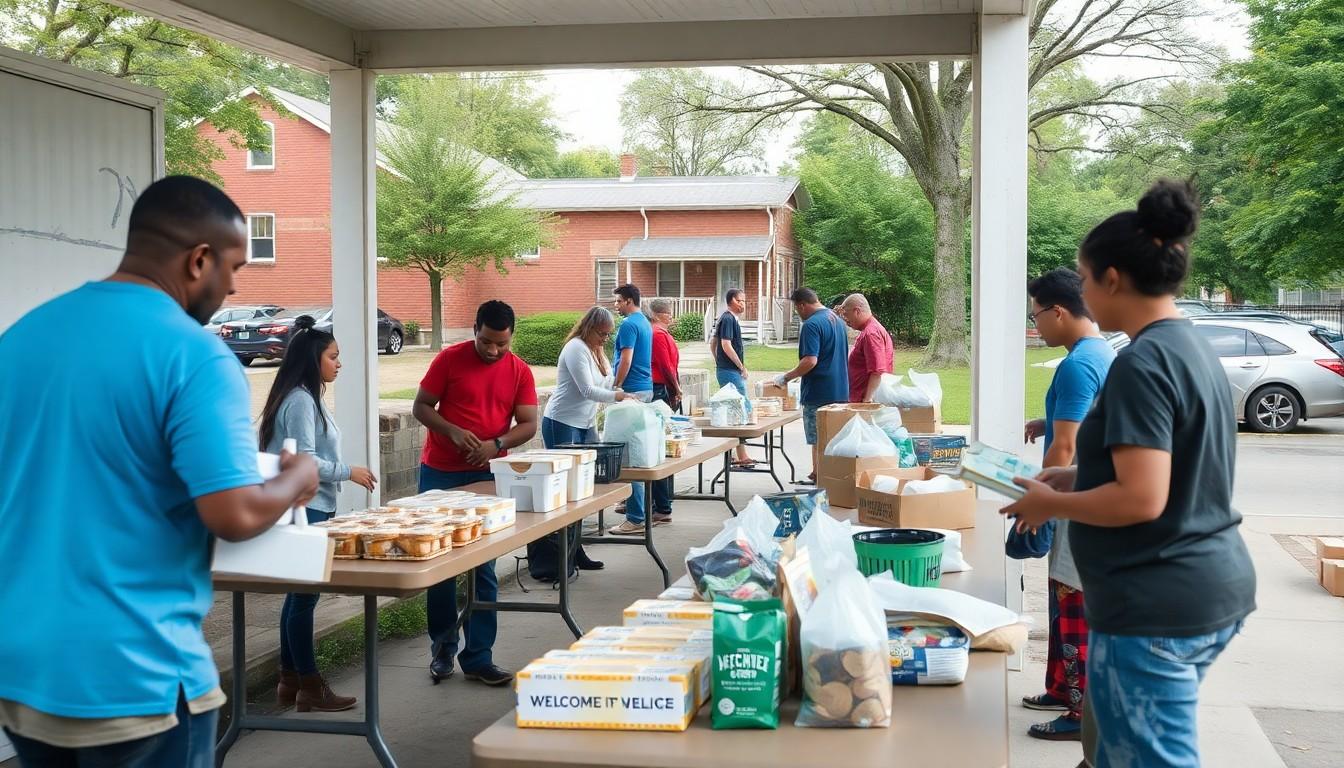
Support can be practical as well as social. OUTMemphis lists peer-led groups, youth navigation, counselling and educational programmes, alongside assistance such as bus passes for eligible participants and support funds with specific requirements. Its services page also describes activities for LGBTQ+ young adults aged 18 to 24. [4]
My Sistah’s House is a transgender-led Memphis organisation serving primarily Black and Brown transgender and non-binary people. It describes work that includes safe spaces, emergency shelter and connections to health and social services, as well as housing support for people facing instability. [5]
WeCareTN says its work centres on affirming, community-led support, with a focus on health, dignity, HIV prevention and treatment, and harm reduction. Taken together, these organisations show how local networks can offer both practical resources and a sense of connection. [6]
Find the right support by checking current details
If you’re looking for a service, start with the organisation’s own current information. OUTMemphis says eligibility applies to some forms of financial and transport assistance, while My Sistah’s House describes housing support for people in particular circumstances. Contacting providers directly is the best way to confirm availability and requirements. [4][5]
For LGBTQ+ young people in the United States who need crisis support, The Trevor Project says trained counsellors are available by phone, text and online chat, around the clock. Its website gives the latest contact options and explains how to reach support. [7]
Remembering lives means supporting people here, too
The history behind the day also underlines why accurate, respectful reporting matters. History.com recounts how coverage of Hester’s death misrepresented her identity, adding to the hurt felt by her friends and community. Remembering well means treating people’s identities and stories with care, not reducing them to a statistic. [2]
And remembrance needn’t be separate from everyday support. Listening, sharing reliable information and helping people find appropriate services are small but meaningful ways to show that care extends beyond a date on the calendar. The first step is often simply making space for people to be heard.
Mark the day with care, and keep local support information close at hand.
Source Reference Map
Story idea inspired by: [1]
Sources by paragraph: