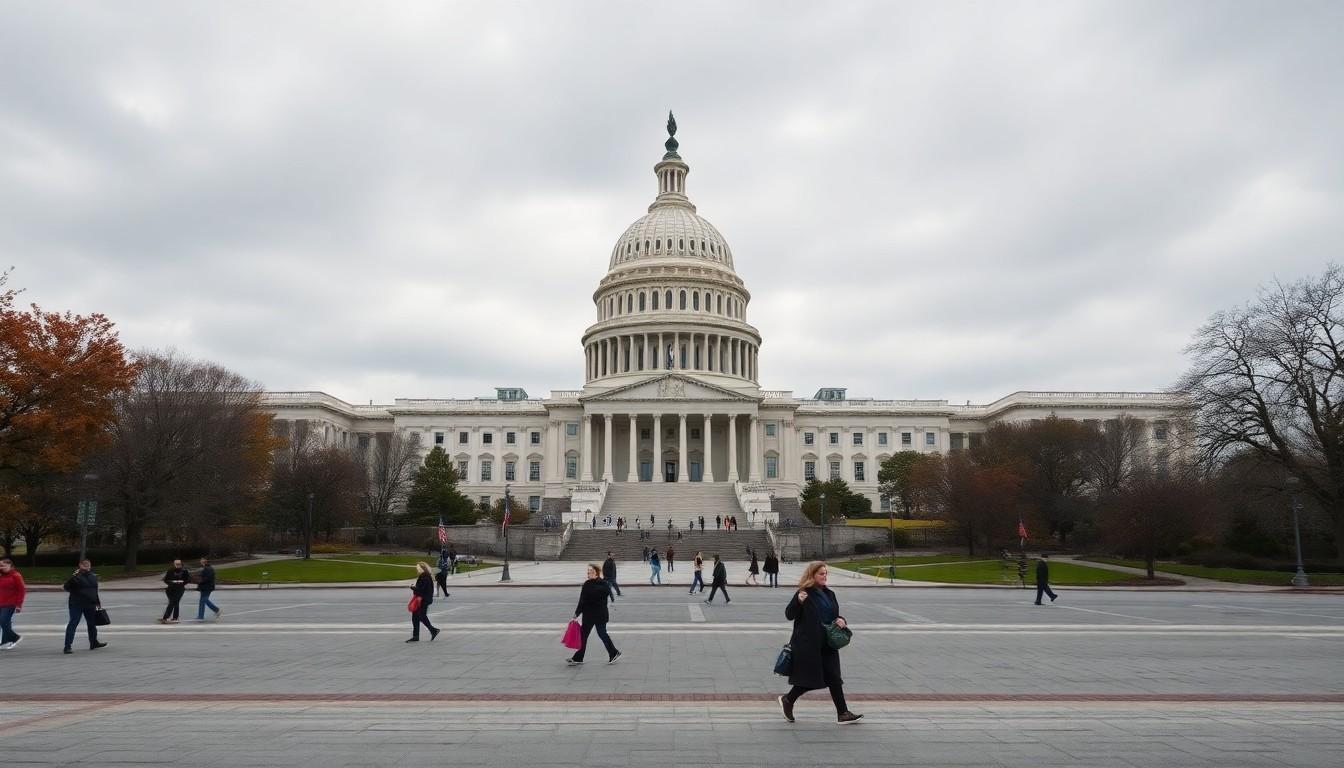
GLAD Law executive director Ricardo Martinez says the new Congress may struggle to pass sweeping LGBTQ+ protections straight away, but lawmakers still have ways to act. After the midterms, he points to healthcare, wages and early legislative work as practical places to start, connecting everyday economic concerns with the longer effort to strengthen federal protections.
The path may be slow, but it isn't closed
For LGBTQ+ advocates, the arrival of a new Congress brings both opportunity and a reality check. In an interview with the Washington Blade, GLAD Law executive director Ricardo Martinez said broad new federal protections may be difficult to pass in the near term, but Congress can still begin preparing the ground.
That could mean holding hearings or developing bills, rather than waiting for the political conditions to change. It's a measured approach: progress may not arrive all at once, but groundwork can keep the issue in view.
Voters want everyday concerns addressed
Martinez said the midterm results reflected voter frustration with division and a desire for leaders to focus on healthcare, safety and economic security. He also said many people in the United States, including LGBTQ+ people, are facing hardship.
That emphasis matters because it connects LGBTQ+ policy with concerns that affect people more broadly. In the interview, Martinez identified healthcare and minimum-wage policy as areas where Congress could pursue measures benefiting LGBTQ+ people alongside the wider public.
Why economic security belongs in the conversation
Research from the Center for American Progress offers context for the focus on wages and economic wellbeing. Its survey analysis reports that 26 per cent of LGBTQI+ adults surveyed earned less than $30,000 in 2024, compared with 22 per cent of non-LGBTQI+ adults.
A separate Center for American Progress analysis found that LGBTQI+ households earned, on average, 85 cents for every dollar earned by non-LGBTQI+ households in 2024. These are survey-based findings, not proof that one policy would close the gap, but they help explain why advocates see economic measures as part of a wider discussion about LGBTQ+ wellbeing.
Broad policies can offer a practical starting point
The Center for American Progress has discussed raising the minimum wage and improving fair-scheduling practices as ways to help workers meet basic needs. That doesn't make either measure a complete answer to poverty or discrimination, but it shows how economic policies can fit into a broader approach to stability.
For readers weighing what Congress might realistically do, Martinez's comments point to a distinction between immediate steps and long-term ambitions. Work on healthcare or wages could move alongside hearings and bill development, even if comprehensive protections remain difficult in the short term.
The Equality Act remains a longer-term hope
Martinez said lasting progress has depended on support from both parties, making coalition-building an important part of the work. He expressed hope that the Equality Act could move in the future, while recognising that this may not happen soon.
The Equality Act is a legislative proposal, not a law: the Senate text introduced in 2025 set out measures to prohibit discrimination based on sex, gender identity and sexual orientation, among other purposes. For now, Martinez's outlook is less a promise of quick passage than a case for keeping practical work and coalition-building moving.
Congress may not be able to do everything at once, but there are still places to begin.
Source Reference Map
Story idea inspired by: [1]
Sources by paragraph: