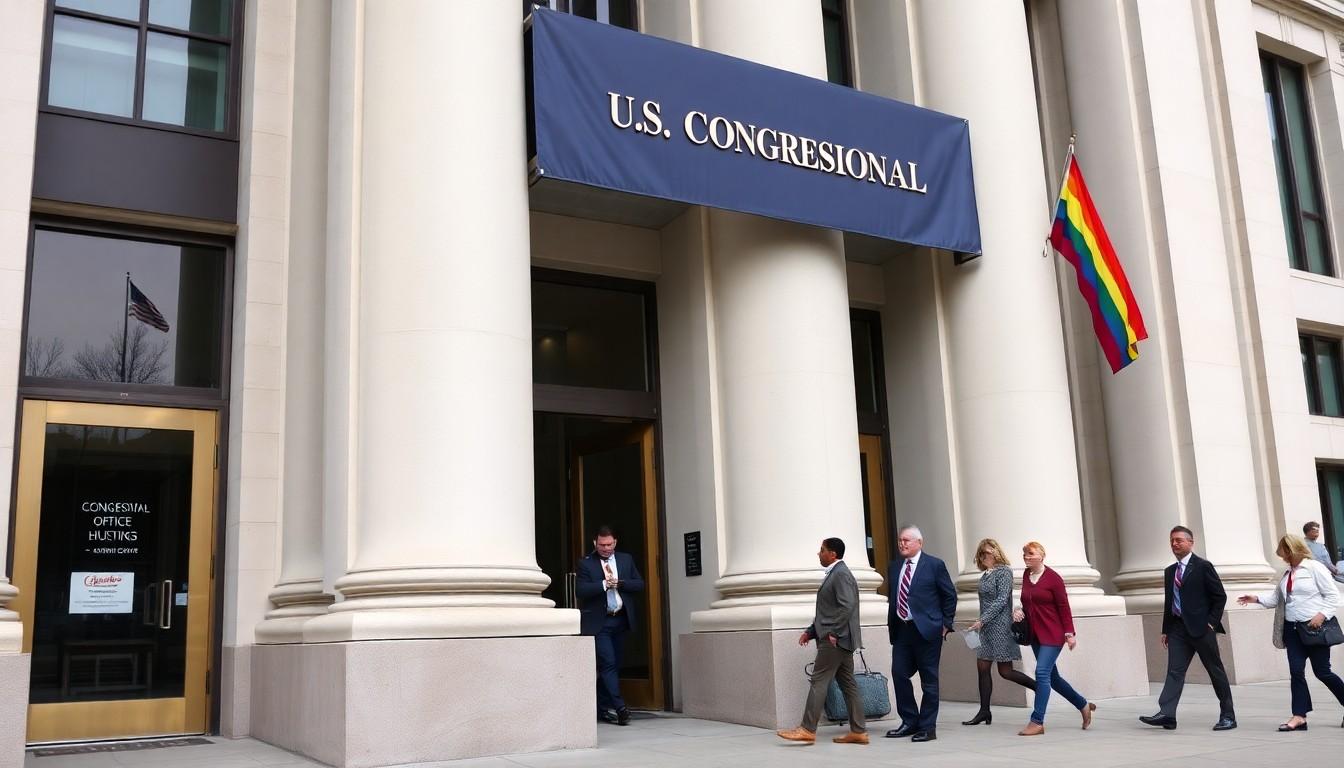
A new Congress is facing competing claims about what voters want on LGBTQ+ rights. The Human Rights Campaign is urging lawmakers to advance its agenda for full equality, while Senator Mike Lee says the election did not endorse measures he believes could threaten religious liberty, free speech and women’s sports. The divide matters because the next debate is as much about political interpretation as policy.
Essential takeaways
- HRC’s priorities: Its agenda lists five goals, including protection from discrimination, access to gender-affirming care and safe schools.
- Election spending: HRC says it invested $15 million in its 2026 electoral and voter-engagement work.
- Lee’s objection: The Utah senator argues the Constitution already establishes equality and rejects the idea that voters endorsed HRC’s programme.
- A contested political signal: James Talarico adjusted his public comments on transgender athletes during his Texas Senate campaign.
- The policy dispute: Critics say the Equality Act could affect sex-separated facilities, women’s sports, medical coverage, religious freedom and free expression.
The election has two competing interpretations
The Human Rights Campaign is pressing the incoming Democratic congressional majority to act on its “Agenda for Full Equality”. But Senator Mike Lee sees no clear mandate from voters for the organisation’s goals, arguing that families haven’t suddenly embraced policies he believes could harm religious liberty, free speech and women’s sports.
The HRC’s five priorities include protection from discrimination, access to gender-affirming care, safe and fair schools for LGBTQ+ students, support for people seeking to build families, and freedom to live openly without harassment or violence. The organisation presents these aims as connected to wider concerns such as healthcare, education and economic security.
What HRC wants from the next Congress
HRC President Kelley Robinson says LGBTQ+ voters helped elect candidates supportive of equality and expects those lawmakers to respond. Beyond its five stated priorities, the organisation is calling for the Equality Act, protections against discrimination for LGBTQ+ members of the military, and more funding for HIV prevention and treatment.
The agenda is HRC’s own account of what “full equality” should mean; it doesn’t settle how voters view each proposal or what the legislation would do in practice. That distinction matters in a debate where the same words, such as equality and protection, are being used to argue for very different approaches.
The $15 million campaign behind the push
HRC says it invested $15 million in electoral and public-engagement work for the 2026 election cycle, through a programme aimed at reaching voters and supporting candidates it considers pro-equality. Its election report frames the spending as part of a broader effort to engage LGBTQ+ voters and influence the political conversation.
The organisation’s figures and account of the campaign come from HRC itself, rather than an independent evaluation of the money’s impact. Capital Research Center analyst Robert Stilson, quoted by the Daily Signal, argues that advocacy groups may press ambitious demands when they see a political opening, even as elected politicians have reason to moderate on unpopular issues.
Talarico’s changed message reflects the tension
Texas Senate candidate James Talarico offered a vivid example of how the debate can shift on the campaign trail. The Texas Tribune reported that he said transgender athletes shouldn’t compete in girls’ sports where participation risks safety or fairness, and that there are two sexes. His campaign’s comments sat alongside earlier positions that gave local schools and sports organisations a role in deciding eligibility.
The Tribune describes a series of statements and policy positions, not a single neat reversal. That context is useful: a candidate’s words can change, clarify or collide with a previous record, and each interpretation becomes part of the political argument.
Where the policy disagreement bites
The Equality Act is a flashpoint. Critics cited by the Daily Signal argue it could affect access to women’s bathrooms and changing rooms, eligibility in women’s sport, coverage of transgender procedures, and the religious freedom and free speech of people who oppose those policies. These are warnings about the bill’s possible effects, not a neutral description of every provision or a settled account of how it would be applied.
For readers trying to weigh the claims, it helps to separate HRC’s stated aims from critics’ predictions about the consequences. The argument isn’t simply over whether equality matters; it’s over how lawmakers should balance anti-discrimination protections with competing claims about sex-separated spaces, sport, religion and expression.
The incoming Congress will have to turn those competing claims into a debate about specific proposals.
Source Reference Map
Story idea inspired by: [1]
Sources by paragraph: