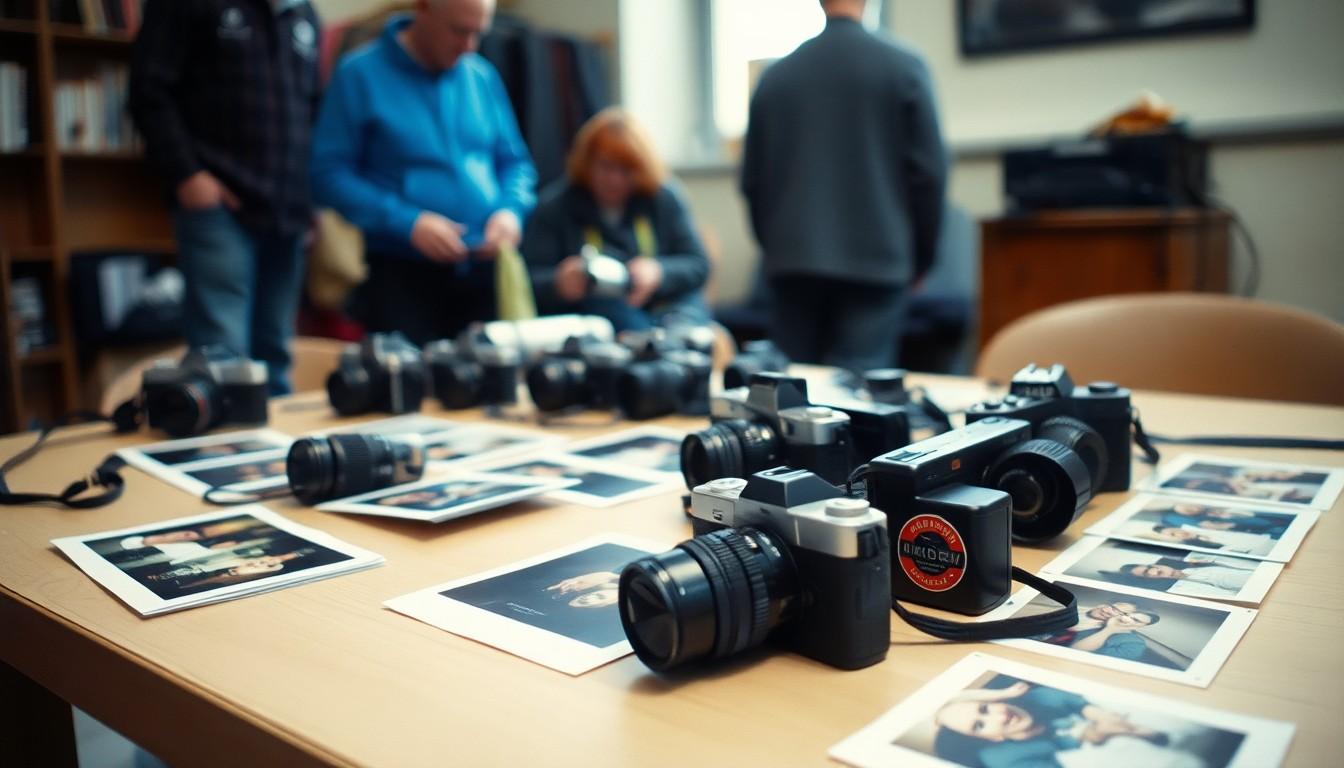
A camera with 39 frames, no brief and no retakes gave ten trans+ people across the UK the chance to show what power looks like in their own lives. Not A Phase’s Power in Visibility campaign pairs their photographs with interviews, offering a more personal view of trans+ experiences at a time when many people’s impressions are shaped by media coverage.
Essential Takeaways
- Ten people, ten perspectives: Participants chose what power meant to them, from community organising and football to parenthood and creativity.
- A deliberately open brief: Each person used a disposable camera with 39 frames, without a prescribed theme or second take.
- Everyday life matters: The campaign highlights ordinary routines and relationships alongside advocacy, work and personal milestones.
- The project is on show across the UK: Not A Phase says the campaign ran during Trans+ Visibility Week on its channels, digital billboards and partner media platforms.
Ten cameras, ten lives on their own terms
A gym, a football pitch, family life, a favourite outfit: the images in Power in Visibility start with the things that matter to the people behind the camera. The campaign gives ten trans+ people space to decide what others should see, rather than asking them to fit a single idea of strength.
According to Not A Phase, each participant received a disposable camera with 39 frames and no prescribed idea of what power should look like. Their photographs are paired with interviews, so the people pictured can explain what the images mean to them.
Why everyday visibility matters
The campaign responds to a gap between public impressions and personal contact. Not A Phase cites a finding that three in five people in the UK don’t personally know a trans+ person, arguing that headlines can become a major source of information when everyday encounters are limited.
That context makes the project’s ordinary details feel particularly valuable. A parent wants to be recognised as a parent; a football fan wants to enjoy the game; an organiser wants to make room for community. These stories don’t ask one person to represent everyone.
Power can look like football, family or a good outfit
The participants’ choices are as varied as their lives. Connie’s story centres on organising for Liverpool’s trans+ community, while Maz Hedgehog connects creative work with agency and control over their life. Dee’s account brings visibility into the everyday rhythms of parenting and family life.
For Zeke, football is part of a story about loss, reconnection and being seen in more than one dimension. Not A Phase’s profile describes how a video of him kicking a ball reached a large audience and connected him with trans masculine football teams. The point isn’t that every story ends neatly, but that people are more than the labels others notice first.
What the camera leaves open
There’s no single visual formula here. Not A Phase says participants could photograph anything they wanted, with subjects ranging from family and work to politics, style, talent and taking up space. That freedom lets the project move between public-facing achievements and quieter, personal moments.
The charity also says 227 community members gave feedback on its brand, with more than a third of comments asking to see more real people rather than polished imagery. That request sits neatly beside the campaign’s lo-fi camera format: a simple tool, and a chance for participants to decide what belongs in the frame.
A portrait is a beginning, not a definition
The interviews add the context a photograph can’t hold by itself. Dee’s profile, for instance, explores how she wants to make a safe, loving space for her son, while recognising that sometimes she wants to be seen simply as a parent. It’s a reminder that visibility can matter deeply, but it needn’t be the centre of every moment.
Not A Phase says participants were able to review their photos and footage before release. The campaign’s wider invitation is to see trans+ people as individuals with different interests, relationships and sources of strength, rather than as a debate or a single story.
Closing Line
Take a look at the campaign’s photographs and films, and let the people behind the camera set the scene.
Source Reference Map
Story idea inspired by: [1]
Sources by paragraph: