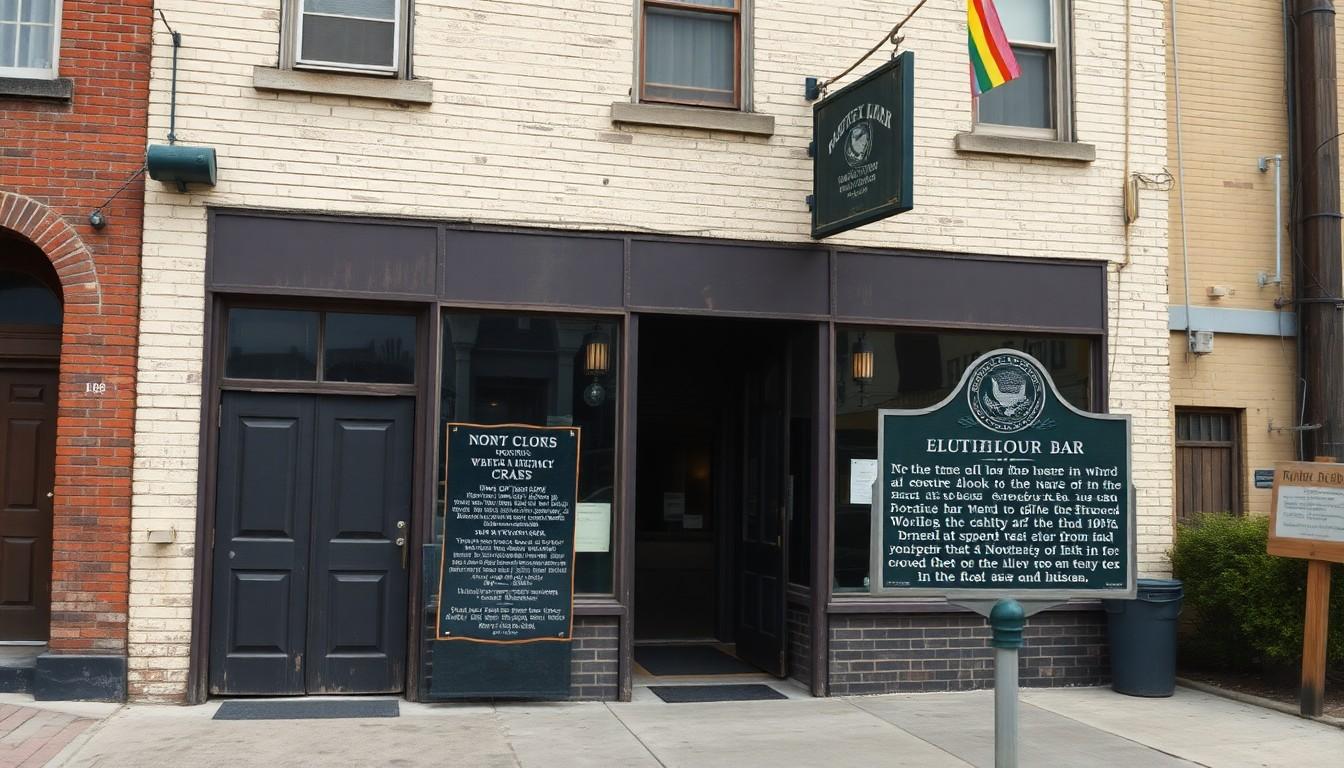
History is getting a more visible place on the street in Salt Lake City and Milwaukee, where markers are recognising two influential gay bars. Sun Tavern and This Is It! have both closed, but their stories show how a welcoming venue could become a meeting place, a source of support and a home for community life.
Essential Takeaways
- Sun Tavern opened in 1973: Joe Redburn’s Salt Lake City bar became an important gathering and organising space.
- Its marker is already unveiled: The plaque is at the tavern’s original site, near the Delta Center.
- This Is It! opened in 1968: June Brehm and Michael Latona founded the Milwaukee bar as a welcoming place for gay patrons.
- The Milwaukee bar closed in 2025: A state historic marker is planned for its former address at 418 East Wells Street.
- Both honours recognise community history: The bars mattered for the connections and support they offered, as well as their longevity.
Two plaques bring overlooked stories into view
The recognition of Sun Tavern and This Is It! puts a spotlight on something easy to miss in a city’s history: the places where people found one another. The Salt Lake Tribune describes Sun Tavern as Utah’s first openly gay bar, while the Wisconsin LGBTQ History Project traces This Is It!’s place in Milwaukee life across nearly 57 years.
Sun Tavern’s marker has been unveiled at the bar’s original site in Salt Lake City, across from the Delta Center. The Milwaukee marker is planned for the former site of This Is It!, a reminder that a neighbourhood address can hold more than a business’s story. (Sources: [2], [6])
Sun Tavern offered more than a night out
Joe Redburn opened Sun Tavern in 1973, and it became a place for Salt Lake City’s gay community to meet, build friendships and organise. The Mildred Berryman Institute, which nominated the site, describes the tavern as a source of belonging at a time when openly LGBTQ+ spaces were limited.
The Utah government’s history of LGBTQ+ life in Salt Lake City adds context: Redburn helped make the bar a de facto community centre, and gay and lesbian venues operated amid police surveillance. That backdrop helps explain why having somewhere to gather could mean far more than finding a bar. (Sources: [3], [4])
Former regular Mike Evertsen recalled to The Salt Lake Tribune that people could relax and be themselves there, whatever their gender presentation. The marker also recognises Redburn’s support for community groups and his role in the city’s early Pride history. (Source: [2])
How Salt Lake City chooses what to remember
The Mildred Berryman Institute submitted the Sun Tavern proposal to Salt Lake City’s historical marker pilot programme. The city’s official FAQ says nominations are assessed for historical significance, evidence, community support and the value of preserving under-told local history.
The Mayor’s Office of Access and Belonging makes decisions with support from the Human Rights Commission. It’s a process that asks not only whether a story is significant, but whose stories have been missing from public view. (Sources: [3], [5])
This Is It! made welcome part of its purpose
June Brehm and Michael Latona opened This Is It! in August 1968. The Wisconsin LGBTQ History Project says Brehm wanted gay patrons to have a place where they could feel safe, welcome and respected; the bar remained open for nearly 57 years before closing in March 2025.
Its history also speaks to the small, practical details that can make a space feel safer. The lead article reports that the marker notes the bar kept its lights low and offered a private entrance so guests could come and go discreetly. It also credits Brehm and her son Joe with serving patrons as chosen family. (Sources: [6], [7])
The Milwaukee marker keeps a community story visible
The marker is planned for the former bar’s address at 418 East Wells Street, with a public ceremony listed for 19 November 2026 at 1 p.m. The Wisconsin LGBT Chamber of Commerce’s event listing names Brehm’s granddaughter Sarah Freiheit among the scheduled speakers, alongside Milwaukee Mayor Cavalier Johnson and other local representatives.
For visitors, the address offers a tangible link to the bar’s past; for the wider community, the plaque preserves a story that might otherwise be harder to find. And that’s the quiet power of a historic marker: it gives a shared memory a place in public. (Sources: [7], [8])
Closing Line
Both markers honour the people who made these bars feel like places to belong.
Source Reference Map
Story idea inspired by: [1]
Sources by paragraph: