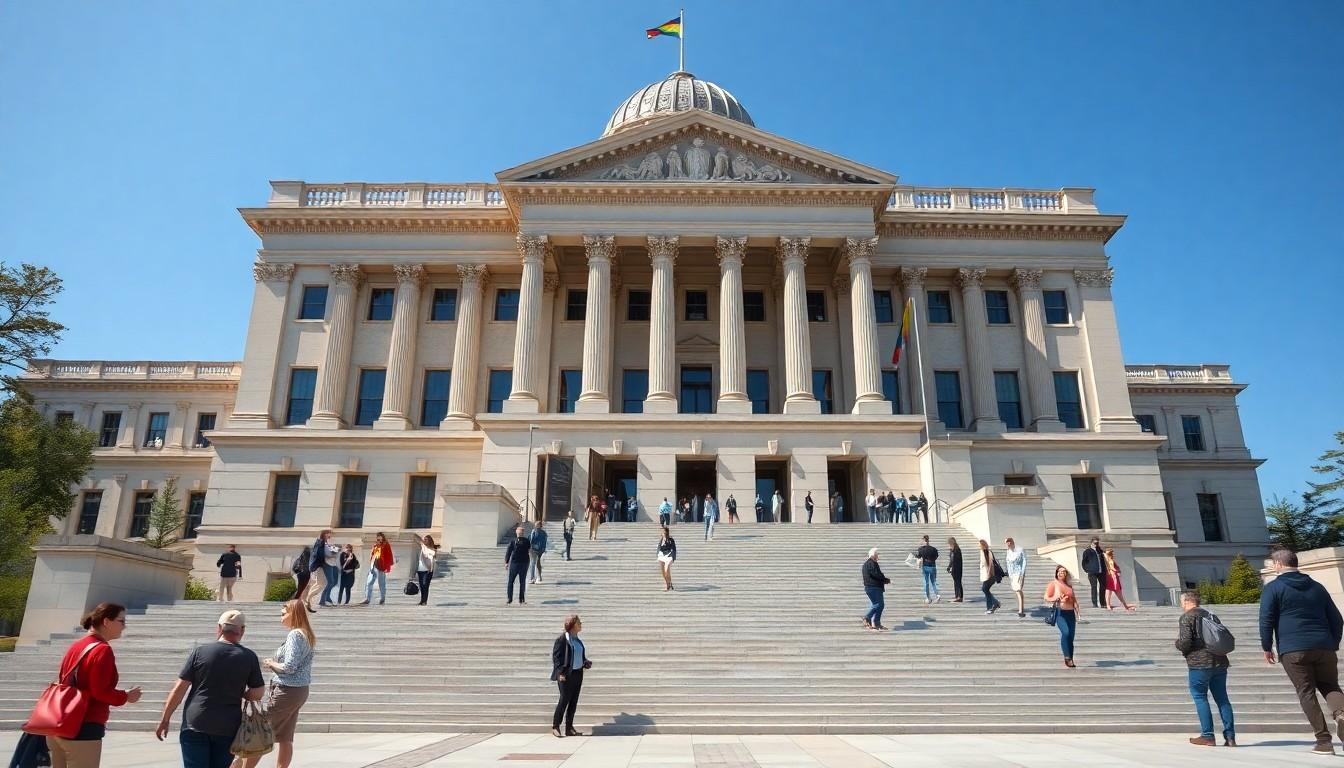
A wave of historic firsts in the 2026 US midterms has brought fresh attention to who gets to lead. Voters elected a Black woman governor in Georgia, an Indigenous woman governor in New Mexico and candidates who broke barriers in the Senate. The victories matter as milestones, and they renew a bigger question: how closely does government reflect the people it serves?
The midterms delivered more than a change in power
The striking thing about the 2026 midterms wasn’t only the shift in political control. Across the United States, voters also elected candidates who became the first people from their communities to hold particular offices. That gave election night a human dimension beyond the familiar tally of wins and losses.
The Associated Press reported that the milestones crossed party lines, including Republican Byron Donalds becoming Florida’s first Black governor. It also noted that some candidates didn’t make their identity or historic status the centre of their campaigns. A first can be significant without defining a whole campaign.
Georgia and New Mexico broke major barriers
In Georgia, Democrat Keisha Lance Bottoms became the first Black woman elected governor in the United States. The Associated Press identified her as the state’s first Black governor and first woman governor, as well as a former mayor of Atlanta. The result made history at both national and state level.
New Mexico elected Deb Haaland, making her the first Indigenous woman elected governor of a US state. Axios noted that Haaland had earlier become the first Native American to lead a Cabinet department as Interior secretary. The Associated Press also highlighted the complexities surrounding women’s access to leadership in some Pueblo communities, a reminder that representation and barriers can coexist.
Senate victories broadened representation
The Senate also saw several notable firsts. Peggy Flanagan became the first Indigenous woman elected to the chamber, while Abdul El-Sayed became the first Muslim American senator. Chris Pappas’s win marked another milestone as the first openly gay man elected to the Senate, according to the Associated Press and Axios.
Those labels tell part of the story, not all of it. The Associated Press reported that voters’ rights advocates welcomed the broader representation, while also noting that historic status wasn’t necessarily the focus of every campaign. It’s a useful distinction: a candidate’s background can matter to the significance of a win without standing in for their policies or political views.
Representation matters, but it isn’t a policy guarantee
The argument for more diverse leadership isn’t that people from the same background will think alike. Rather, a wider range of experiences can bring different perspectives to decisions affecting people across the country. The Atlantic’s analysis of Black voter participation and political behaviour underlines why it’s worth avoiding easy assumptions: voting patterns vary between states and communities.
Nor does a historic first automatically mean effective leadership. Elected officials still need to be judged by their decisions and policy choices. But when access to political power has been uneven, opening doors remains meaningful, even if it’s only one part of a larger conversation about representation and political influence.
Why these election milestones still matter
The Associated Press’s overview places the firsts within a wider election shaped by substantial Democratic gains, while recognising breakthroughs among Republicans too. Taken together, the results show that milestones in representation can emerge amid fierce political competition, not outside it.
There’s something both hopeful and overdue about celebrating these victories. Ideally, a candidate’s identity won’t be treated as extraordinary simply because of the office they hold. Until then, recognising who has made it through the door is a way to see how much the picture of American leadership is changing.
A historic first is worth celebrating, and it’s also a reminder to keep asking who still has a place at the table.
Source Reference Map
Story idea inspired by: [1]
Sources by paragraph: