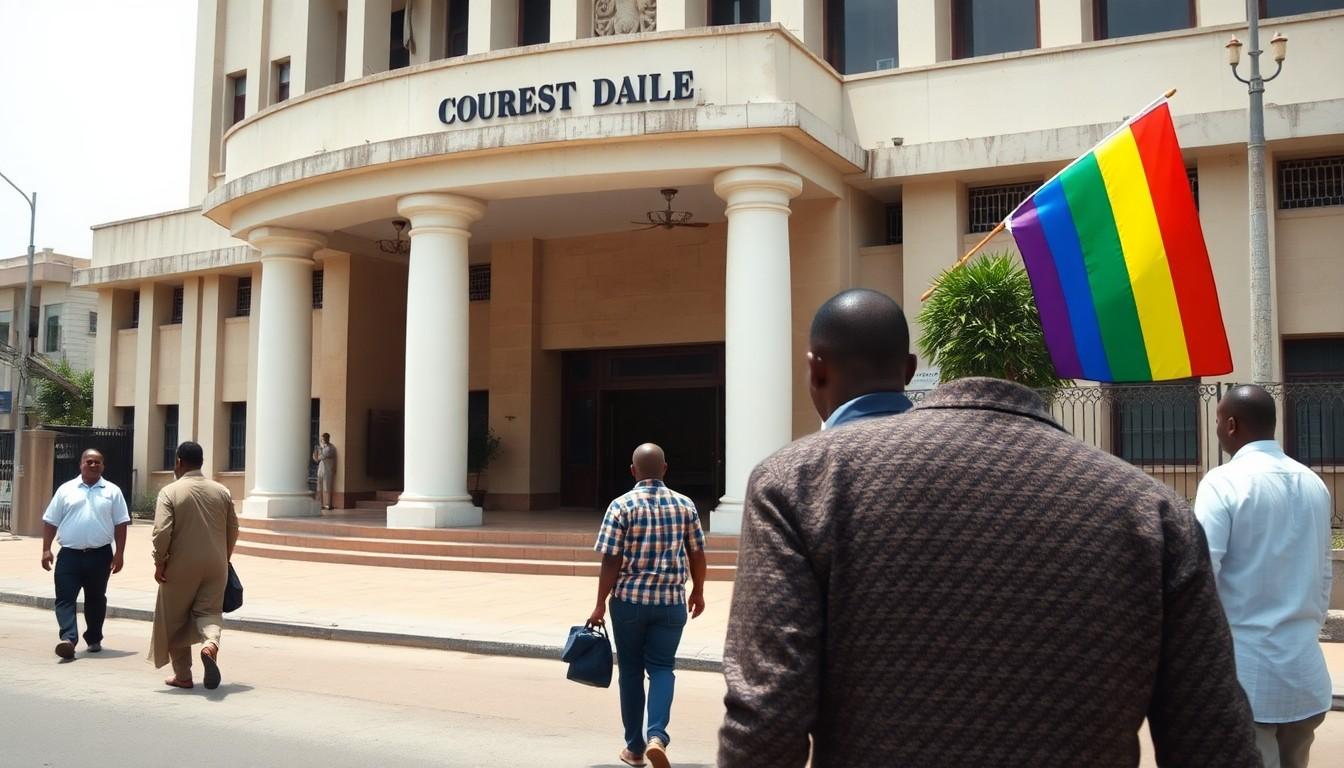
A fresh global count has brought an unsettling shift into focus: 65 United Nations member states criminalise consensual same-sex relationships. ILGA World says the number rose for the first time in almost a decade during 2025, a reminder that legal rights can retreat as well as advance. The changes in Burkina Faso and Trinidad and Tobago show how sharply that struggle can turn.
Essential Takeaways
- The global tally has risen: ILGA World reports that 65 UN member states criminalise consensual same-sex sexual acts.
- Burkina Faso changed its law: In September 2025, its transitional legislature made consensual same-sex relations a criminal offence.
- The consequences can be severe: Human Rights Watch says convictions under Burkina Faso's new provision can bring prison terms and fines.
- A court challenge succeeded in Trinidad and Tobago: The Privy Council ruled against provisions criminalising private, consensual same-sex activity between adults.
- Progress isn't automatic: The contrasting developments show how rights can be restricted in one country and defended through prolonged legal action in another.
The global count has moved in the wrong direction
The headline figure is stark, but the change behind it matters just as much. ILGA World says the number of UN member states criminalising consensual same-sex sexual acts rose for the first time in almost a decade during 2025.
That shift isn't only about laws on paper. Human Rights Watch warns that criminalisation can expose LGBTI people to arrest, discrimination and other harms, while lending official weight to stigma. The law may affect far more than the people directly prosecuted.
Burkina Faso's new law marks a sharp change
Burkina Faso is one of the recent cases behind the rise. Human Rights Watch reported that the country's Transitional Legislative Assembly passed a law on 1 September 2025 criminalising consensual same-sex relations. The organisation said convictions could carry two to five years in prison and fines.
The political context is also worth keeping clear. The House of Commons Library records that Captain Ibrahim Traoré came to power on 30 September 2022, after removing Paul-Henri Damiba in a second military coup that year. That chronology helps explain the setting, but it doesn't establish that military rule caused the later law.
Rights can be restricted in more than one way
Criminalisation sits within a wider pattern of restrictions. ILGA World's Pride Month update says at least 63 states restrict expression relating to sexual, gender and bodily diversity, while at least 61 create legal barriers for organisations advocating LGBTI rights.
Those figures describe laws and legal frameworks, not the whole lived experience of LGBTI people in each country. Still, they underline why watching the legal landscape matters: restrictions can reach public expression and advocacy as well as private relationships.
Trinidad and Tobago shows the long road to a ruling
The story isn't one-way. In Trinidad and Tobago, Jason Jones challenged provisions of the Sexual Offences Act 1986 that criminalised private, consensual sexual activity between adults of the same sex. The Judicial Committee of the Privy Council allowed his appeal and dismissed the Attorney General's cross-appeal on 10 November 2026.
The Trinidad and Tobago Guardian described the case as an 11-year legal fight. The Privy Council's own summary says the provisions were not protected from fundamental-rights scrutiny as existing law, and were not reasonably justifiable under the relevant constitutional test. It's a powerful reminder that securing a legal victory can take years of challenge, argument and persistence.
What the figures tell us about rights
ILGA World's 2025 annual report records both Burkina Faso's introduction of criminalisation and the reversal of earlier legal gains in Trinidad and Tobago. Set side by side, the cases resist any comforting idea that legal change always moves in a straight line.
So what can readers take from the numbers? They offer a reason to follow country-level law and the work of organisations advocating for LGBTI rights, while remembering that legal status alone can't capture safety or everyday experience. Rights need institutions and ongoing public attention; they don't simply keep themselves secure.
Freedom is hardest to take for granted when the rules can change.
Source Reference Map
Story idea inspired by: [1]
Sources by paragraph: