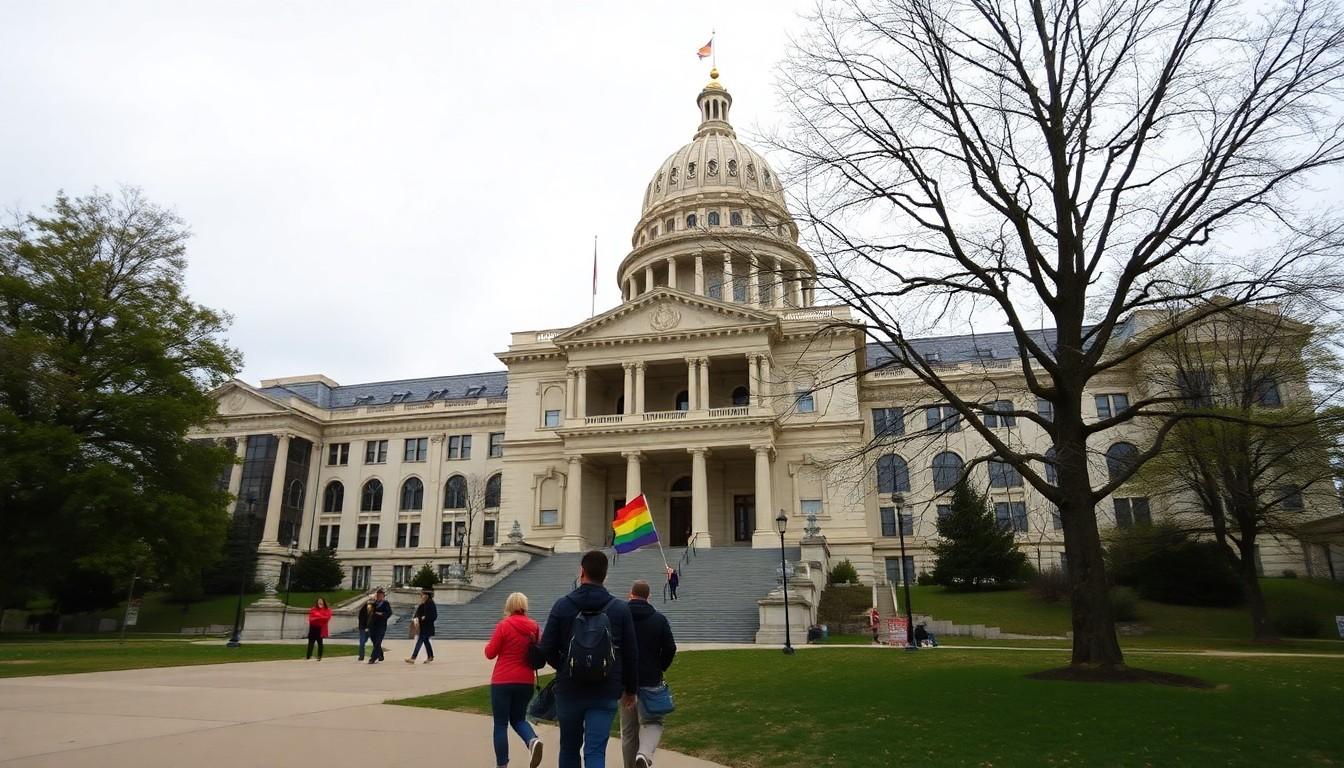
A pledge by Pennsylvania Democrats to prioritise the LGBTQ+ Fairness Act in 2027 has renewed hope for statewide protections, while a new grant is helping preserve Pittsburgh’s queer history. Together, the developments link the fight for a fairer future with the work of remembering the people and places that helped shape the community.
Essential Takeaways
- A new legislative pledge: Pennsylvania House and Senate Democrats say they intend to make the Fairness Act a priority in 2027.
- The bill is not law: The proposal would explicitly cover discrimination based on sexual orientation, gender identity and gender expression in areas including employment, housing and public accommodations.
- Local protections have limits: Pittsburgh and Allegheny County have local nondiscrimination ordinances, but protections do not extend to every Pennsylvania community.
- History receives support: Opportunity Fund awarded Carnegie Mellon University $7,500 for the Pittsburgh Queer History Project’s volunteer archives programme.
- A chance to get involved: The project lists a volunteer night focused on Pegasus Lounge photographs, with no previous archival experience required.
Pennsylvania’s Fairness Act pledge matters - but it isn’t a guarantee
A promise to act is encouraging; a law on the books would be more concrete. Pennsylvania Democrats in both legislative chambers have pledged to make the Fairness Act a priority in 2027, but the proposal has yet to pass.
The pledge followed a gathering at the Pennsylvania Capitol honouring transgender and gender-diverse people lost to violence and suicide. The Advocate reported that lawmakers and community representatives connected the event with the need for safety, dignity and stronger protections.
What would the Fairness Act change?
The Fairness Act would amend Pennsylvania’s Human Relations Act to explicitly prohibit discrimination based on sexual orientation, gender identity and gender expression in employment, housing and public accommodations. QBurgh identifies the proposal as House Bill 300 and notes that Pittsburgh-area representatives Jessica Benham and Dan Frankel are among its sponsors.
For people seeking a job or a home, explicit statewide protections could make a real difference. Pittsburgh and Allegheny County already have local nondiscrimination ordinances, but local rules don’t cover every community in the state.
There’s hope, but the path is still uncertain
The pledge comes after years of legislative obstacles. The Advocate reported that the Pennsylvania House passed versions of the bill in previous sessions, but the measure has not become law. That’s a useful reminder: political support can put a bill back in the spotlight, but it doesn’t settle the outcome.
Pennsylvania’s changing political picture adds context, not certainty. Axios Pittsburgh reported that Democrats were expected to control the governor’s office and both legislative chambers after the 2026 elections. Even with that backdrop, the Fairness Act will still need lawmakers to move it through the legislative process.
A grant helps keep queer Pittsburgh’s past in view
Meanwhile, Pittsburgh’s history is getting a practical boost. Opportunity Fund awarded Carnegie Mellon University $7,500 to support the Pittsburgh Queer History Project’s volunteer archives programme, including public training in audiovisual preservation and work by an intergenerational network of 70 artists and volunteers.
Founded by historian and archivist Harrison Apple in 2012, the project focuses on preserving the stories and materials of queer communities in the region. The work matters because an old photograph can hold more than a familiar face: it can help people recognise the places, friendships and everyday moments that shaped a community.
How to help preserve the Pegasus Lounge photographs
The project lists an Artist/Archives Volunteer Night for Thursday, 19 November 2026, at 6 p.m., at the Carnegie Library of Pittsburgh’s Main Branch in Oakland. Volunteers will help process photographs from the Pegasus Lounge collection, including describing images and working together to identify what they show.
No archival experience is required, according to the project. If you’re considering going, the simplest first step is to bring curiosity and be ready to contribute to a group effort. The project’s work shows that preserving queer history isn’t only for specialists; community knowledge can help give old images their context.
Closing Line
From pursuing stronger protections to preserving treasured photographs, showing up is part of how a community makes its future.
Source Reference Map
Story idea inspired by: [1]
Sources by paragraph: