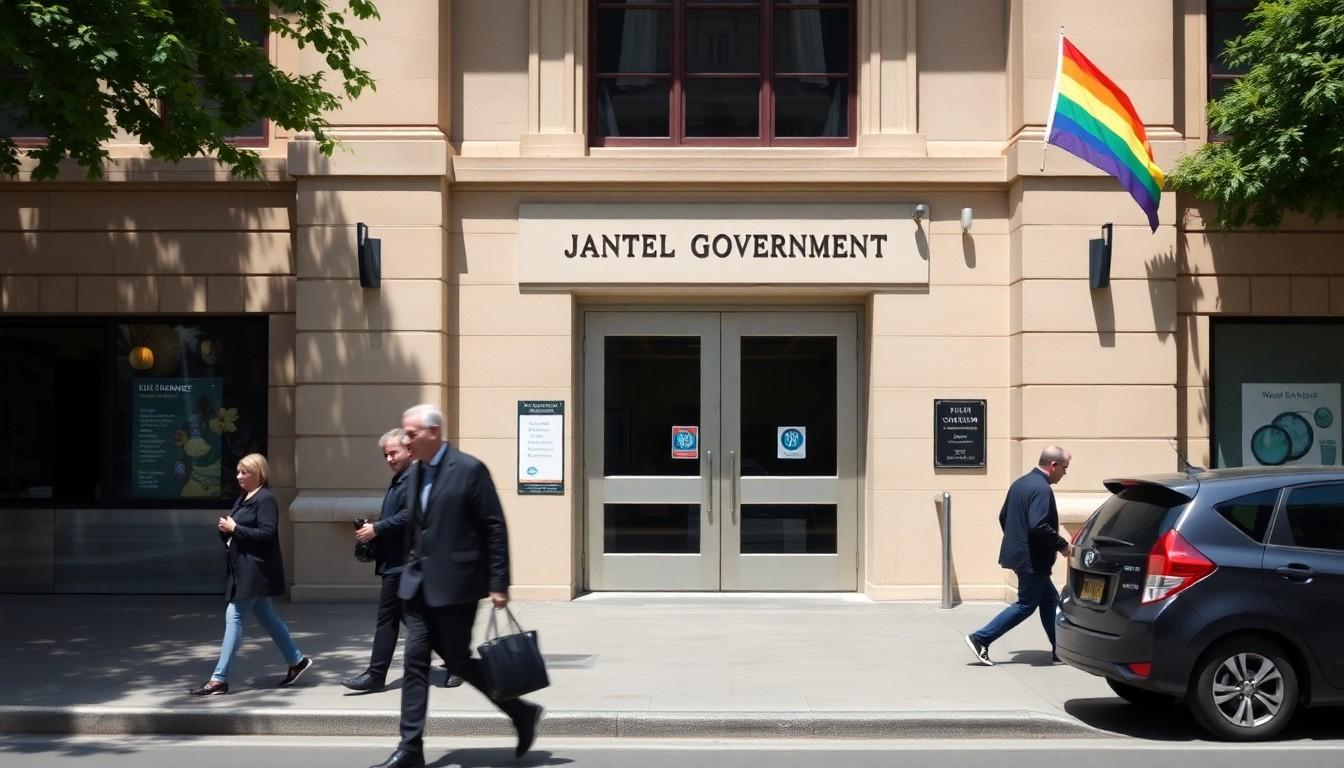
Victorians are heading towards a state election with a sharp dispute over trans rights in the spotlight. One Nation deputy leader Colleen Harkin says her party would change the Equal Opportunity Act 2010, giving biological sex priority over gender identity. The proposal could affect access to women-only facilities and sports categories, while raising wider questions about legal protection and safety.
Essential Takeaways
- Proposed legal change: One Nation says it would amend Victoria’s Equal Opportunity Act 2010 if elected.
- Facilities in scope: Harkin named bathrooms, changing rooms, shelters, prisons and domestic-violence refuges funded or regulated by the state.
- Sporting categories: The proposal would reserve female categories in state-funded sport, or sport using state facilities, for biological females.
- Pride Lobby response: The Victorian Pride Lobby says removing gender identity from legal protections could increase discrimination and exclusion.
- Wider context: The Australian Human Rights Commission has reported discrimination affecting trans and gender-diverse people across several parts of everyday life.
What One Nation says it would change
One Nation’s Victorian deputy leader, Colleen Harkin, says the party would amend the state’s Equal Opportunity Act 2010 if elected on 28 November. Her proposal would prioritise biological sex over gender identity in law, policy and practice, including in female-only facilities and women’s sport.
Harkin argues the current framework undermines women’s safety, privacy and fairness. She says the party would reserve bathrooms, changing rooms, shelters, prisons and domestic-violence refuges funded or regulated by the state for biological females, and apply the same principle to female sports categories using state funding or facilities. QNews reported those policy details and the party’s election pitch.
The law at the centre of the debate
The proposal names Victoria’s Equal Opportunity Act 2010, the legislation One Nation says it would change. The Victorian Government’s legislation website provides the Act’s current in-force text, giving readers a primary source for checking the legal framework itself.
That distinction matters: the official page confirms the legislation and its published versions, but it does not describe One Nation’s proposal or assess its likely effects. The policy details come from Harkin’s statements as reported by QNews, while the statute is the place to examine the rules that are currently in force.
Why critics say legal protections matter
The Victorian Pride Lobby condemned the proposal. Its co-convenor, Gregory Storer, said that removing gender identity as a basis for legal protection would weaken equality rights and expose trans and gender-diverse Victorians to more discrimination and exclusion. QNews reported the organisation’s response, including its argument that women and girls are not made safer by stripping rights from other Victorians.
The Australian Human Rights Commission offers wider context, although it has not assessed this specific proposal. Its 2026 Equal Identities report drew on 97 submissions and Australian and international research, and described discrimination affecting trans and gender-diverse people across education, healthcare, employment, housing and the justice system. It made 19 recommendations, including stronger protections and more inclusive services.
What the proposal could mean in practice
For people trying to understand the practical stakes, the proposed scope is broad: it covers state-funded or regulated facilities, as well as female sports categories that receive state funding or use state facilities. QNews reported those examples; the exact effects would depend on the wording of any amendment and how it was applied.
The official Act is useful for checking the current legal text, but it cannot settle the consequences of a change that has not been made. Readers weighing the claims can separate three things: what Harkin says One Nation would do, what the law currently says, and what the Pride Lobby and Human Rights Commission say about protections and discrimination.
The election argument is also about safety
One Nation’s proposal frames the change as a way to protect women and girls. The Pride Lobby’s response is that reducing trans people’s legal protections would risk discrimination without making women safer. That clash sits at the heart of the debate, rather than being a narrow argument about the wording of one Act.
One Nation’s own website says Pauline Hanson launched the party in 1997. ABC News has also reported that Colleen Harkin was among the party’s Victorian upper-house candidates, providing campaign context but not independent verification of the later policy announcement. The question for voters is how they weigh the promised restrictions against concerns about equal protection and exclusion.
The proposed change remains a campaign commitment, and the Act itself is the place to check the law currently in force.
Source Reference Map
Story idea inspired by: [1]
Sources by paragraph: