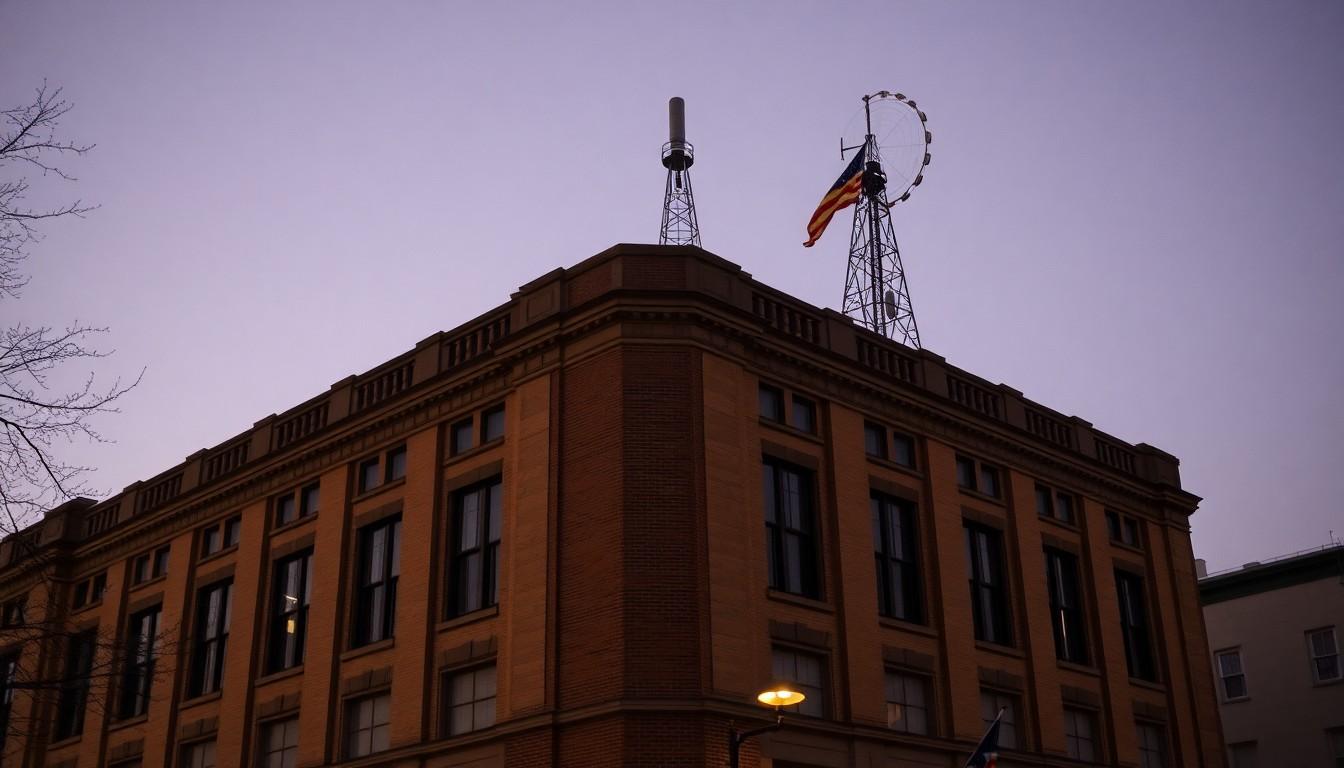
A century ago, NBC linked radio stations across the United States in a broadcast that helped turn radio into a national medium. The launch began on 15 November 1926 with a programme from New York’s Waldorf Astoria and a performance by Will Rogers in Kansas. Its anniversary is a reminder of how quickly a new way of sharing entertainment can reshape everyday life.
NBC’s first broadcast connected a nation
A microphone backstage in Independence, Kansas, carried Will Rogers into a much bigger story: NBC’s first network broadcast. On 15 November 1926, the new network linked stations across the country, marking the start of a nationwide broadcasting service.
The Library of Congress confirms that NBC began broadcasting over its newly formed network that day, with a gala event at the Waldorf Astoria’s grand ballroom in New York. The broadcast wasn’t just a single performance, but a programme drawing on stations in different cities. Radio was starting to feel less like a local voice in the room and more like a shared national occasion.
From gala event to lasting archive
The inaugural programme brought together performances from across the United States. The Library of Congress’s NBC guide offers a useful way to explore what came after, too: its collection includes scripts, advertising copy, news material, music records and recordings featuring entertainers and public figures.
That archive gives the anniversary a tangible quality. A broadcast disappears as soon as it’s heard, but the scripts and recordings preserve traces of how people communicated, performed and made sense of events. For curious listeners, the collection is a doorway into broadcasting history beyond the headline date.
Radio’s legacy is more than nostalgia
The launch helped establish a new kind of shared entertainment, with a network able to carry programmes well beyond a single city. That shift is easy to take for granted now, when audiences can find stories across all kinds of screens and devices. But the basic idea is familiar: technology makes it possible for many people to tune into the same moment.
The Library of Congress places NBC’s beginnings within the broader development of American broadcasting and also points to records of the network’s later history. So the first broadcast isn’t merely an anniversary curiosity. It marks the beginning of a service whose archives now document cultural and political life as well as entertainment.
A century on, the original spark still matters
The most appealing detail is the scale of the leap: performers in different places contributing to a single programme, with listeners able to follow along from home. Radio made distance feel smaller, even if the technology behind that connection was very different from what audiences use today.
And anniversaries like this are a good excuse to look beyond the familiar names. The Library of Congress guide points readers towards primary-source material, where the history can be explored through the records themselves, not just retold in summary. Sometimes the best way to appreciate a new medium is to listen for the voices it left behind.
It's a century-old broadcast, but the idea of sharing a moment still sounds remarkably current.
Source Reference Map
Story idea inspired by: [1]
Sources by paragraph: