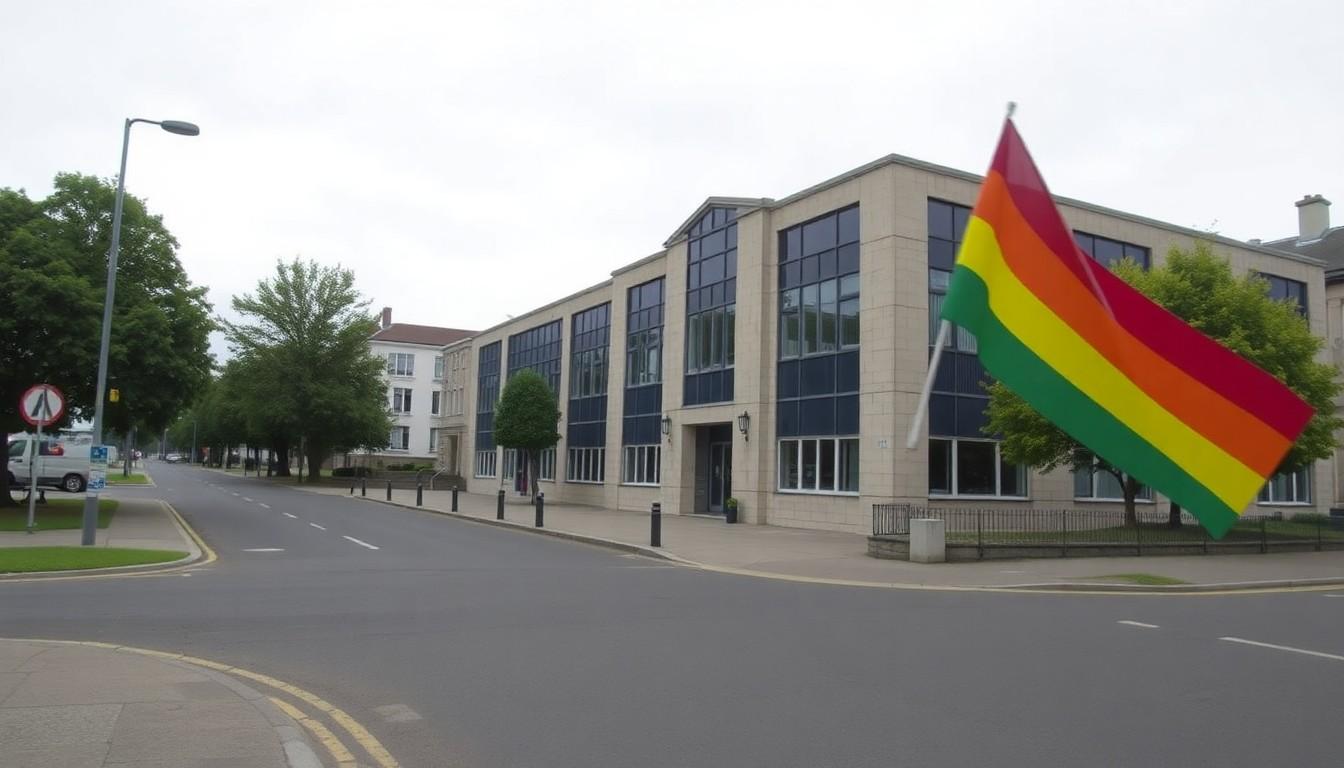
A missing appearance in a Pride promotional video has prompted Limerick’s mayor, John Moran, to question how well the council supports LGBTQ+ people. The council says the video used historical images and wasn’t coverage of the parade itself. The exchange has also reopened a wider conversation about workplace culture, public visibility and how organisations respond to concerns.
Essential Takeaways
- The complaint: Moran told council management that a “culture of change” was needed on LGBTQ+ issues after he was left out of a Pride promotional video.
- The explanation: Director general Pat Daly said the preview video was made weeks in advance from historical images; the council hadn’t filmed or organised the parade.
- A wider concern: Moran also referred to an earlier response he considered inadequate to an allegation of homophobic comments by a staff member.
- The council’s position: Daly rejected the idea that the incident reflected an unsupportive culture, while saying the council was open to doing more.
A missing face, and a bigger question
A promotional video became a test of trust in Limerick City and County Council’s support for LGBTQ+ people. Mayor John Moran, who attended the Pride parade, complained that he wasn’t featured in the council’s online video and said the omission was deeply disappointing for LGBTQ+ colleagues.
The Irish Times reported that Moran initially thought council staff had covered the parade without seeking him out. Director general Pat Daly replied that the video had been produced weeks earlier using historical images, rather than footage from that year’s event.
Why the explanation didn’t settle it
Daly said the council hadn’t covered the parade on the day and hadn’t been invited to do so. He also rejected Moran’s suggestion that the incident showed the authority had an unsupportive culture, pointing to its established record of backing Pride and wider equality initiatives.
Moran, meanwhile, said he believed he was the council’s first openly gay leader and compared his omission with a hypothetical case of a mayor being left out of a diversity-related video. The disagreement was about more than what appeared on screen: it was also about what public visibility can signal to colleagues and residents.
The workplace concern remains unresolved
Moran also referred to what he described as an underwhelming response to homophobic comments by a staff member. Daly said he had asked the council’s human resources department to respond, while Moran and the council declined further comment on the matter, citing employment confidentiality.
A separate Limerick Leader report gathered accounts from LGBTQIA+ residents who described harassment and intimidation in public and at work. One account came from a council employee who said they were not out at work after witnessing colleagues use homophobic language. That reporting offers local context, but it doesn’t establish the truth of the specific allegation Moran raised.
Public abuse adds to the backdrop
Other reporting has documented Moran’s accounts of homophobic abuse directed at him online. The Irish Examiner reported that he condemned threats and abuse on social media, while the Irish Times reported that he had contacted gardaí after receiving threats, including threats to his life.
Those reports concern separate incidents, not the Pride video dispute. Still, they underline why public figures may see visibility and the handling of LGBTQ+ concerns as matters with consequences beyond one exchange. Moran has argued that robust disagreement shouldn’t become personal abuse; Daly, for his part, said the council was willing to consider ways to improve.
A record of inclusion, and room to do more
The council has also promoted LGBTQ+ history through public cultural work. Its website describes a 2023 exhibition at Limerick Museum that presented interviews, photographs, film and documents about LGBTQ+ lives and the development of the rights movement in Ireland.
That project shows one strand of the council’s public-facing inclusion work, but it doesn’t resolve the questions raised about workplace culture or the handling of the staff allegation. As Daly put it in his response, the authority was open to doing more and doing better. The harder test is how that openness is felt by the people it’s meant to support.
A single video can’t settle a question of culture, but the response to concerns may help show where change is needed.
Source Reference Map
Story idea inspired by: [1]
Sources by paragraph: