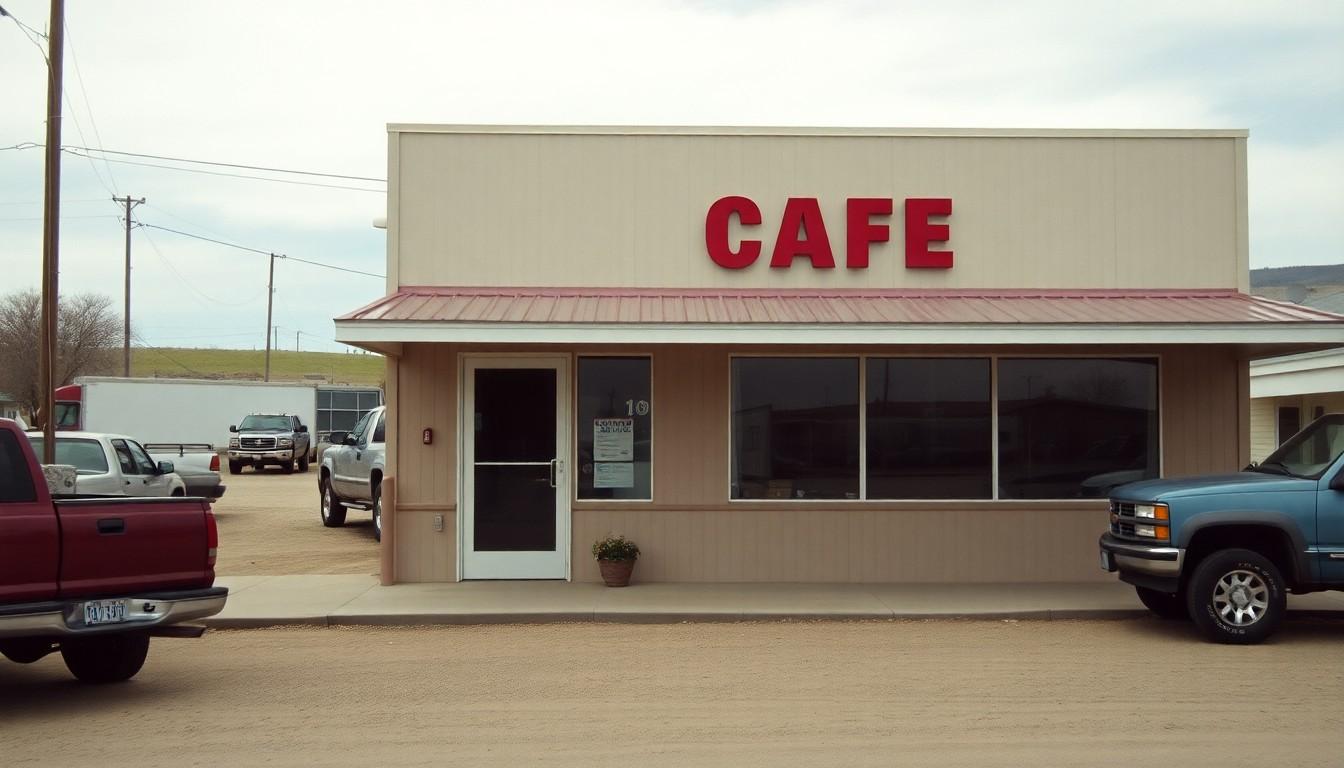
A chance encounter helped shape Brokeback Mountain, Annie Proulx has revealed in an interview with NPR. The writer says she began with two sheep herders in Wyoming, then changed direction after hearing how a restaurant owner treated two male guests. Her account offers a fresh look at the story’s origins, its final line and the social pressures at its heart.
Essential Takeaways
- The story’s direction changed: Proulx says she decided to make the two sheep herders gay partway through writing.
- A restaurant encounter was the trigger: She heard a proprietor describe mistreating two male guests she believed were gay.
- The ending came late, too: Proulx says she called her agent to add the story’s final line.
- It’s about more than romance: Proulx has described the story as a portrayal of homophobia and the social conditions surrounding its characters.
A chance encounter changed the story
Brokeback Mountain didn’t begin as a love story, Annie Proulx says. In an interview with NPR’s Scott Simon, she described starting with two men whose limited work prospects in Wyoming led them to herd sheep, then changing the story after a stop at a restaurant.
There, Proulx heard the proprietor describe two male guests she believed were gay and say she had treated them badly. Proulx said the encounter came when she was about halfway through the story, and it prompted her to make the sheep herders gay. It’s a striking reminder that a story’s direction can turn on an observation from everyday life. [2]
Ennis and Jack’s story took shape on the page
First published in The New Yorker in 1997, Brokeback Mountain follows Ennis del Mar and Jack Twist, who meet while herding sheep in Wyoming. Their relationship becomes intimate, but they struggle to keep it alive as they build separate lives under the expectations around them.
The story’s restrained, painful force comes from that tension between private attachment and public life. The New Yorker’s original text traces their relationship across years, giving the later account of Proulx’s inspiration a wider context: this is a love story shaped by what the characters can’t openly do. [3]
Proulx says the story is about more than romance
Proulx has also pushed back against readings that treat Brokeback Mountain as a conventional romance alone. In a 2009 interview with The Paris Review, she said some readers wanted a happy ending and missed the story’s focus on homophobia, social circumstances, place and morality.
TIME also reported her frustration after the film adaptation brought the story renewed attention. Proulx said she wished she hadn’t written it, describing the response as a source of hassle and irritation. Her comments point to a gap between the emotional pull of Jack and Ennis’s relationship and the broader social conditions she wanted readers to see. [4][5]
Even the final line arrived late
The ending, it turns out, wasn’t settled from the start. In the NPR interview, Proulx said she puts considerable thought into endings and called her agent with an extra sentence for Brokeback Mountain: the final line, “If you can’t fix it, you’ve got to stand it.”
That small addition carries much of the story’s weight. It leaves readers with a phrase about endurance rather than resolution, which fits a story built around limits the characters can’t simply wish away. [2][3]
From short story to celebrated film
The story later appeared in Proulx’s 1999 collection Close Range: Wyoming Stories and became the basis for the 2005 film. Focus Features recounts how screenwriter Diana Ossana brought the story to Larry McMurtry, and how the pair approached Proulx about adapting it.
The American Film Institute’s catalogue also records the story’s publication and the film’s development and reception. The journey from magazine story to screen helped bring Brokeback Mountain to a wider audience, but Proulx’s reflections underline that its meaning was never just a matter of a tragic romance. [6][7]
It’s a story whose origins, ending and reception all reflect the pressures its characters face.
Source Reference Map
Story idea inspired by: [1]
Sources by paragraph: