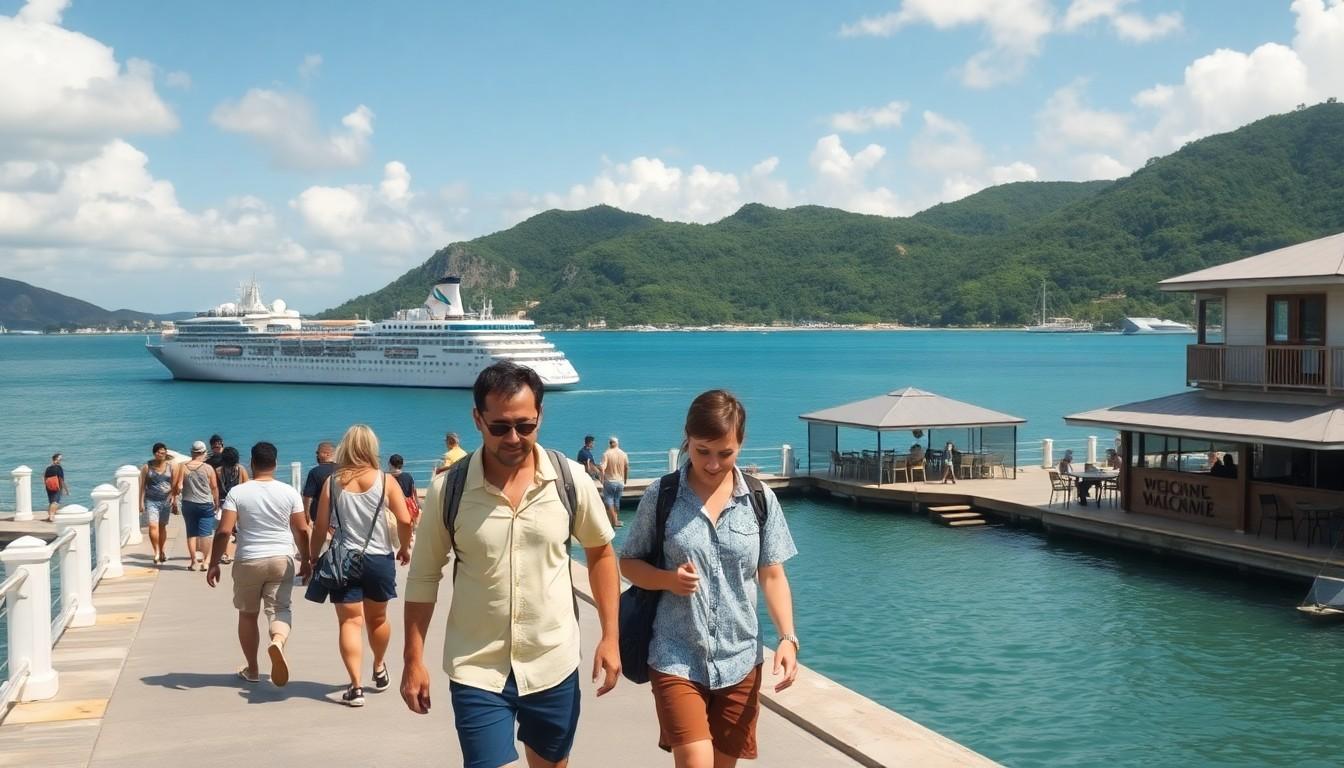
Tobago’s tourism debate is also an economic one. The island’s Chief Secretary has clarified that the Tobago House of Assembly does not discriminate against LGBTQIA+ people, and an opinion writer argues that a welcoming approach could help local businesses reach more visitors. Thailand’s forecasts and Curaçao’s visitor-facing message offer useful context, but neither guarantees the same results for Tobago.
A welcoming reputation could open doors
For Tobago, the case for inclusive tourism starts with a simple idea: a visitor who feels welcome is more likely to enjoy the island. That matters to an economy seeking more visitors, business and employment, and to the people whose income depends on tourism.
The opinion writer welcomes Chief Secretary Farley Augustine’s clarification that the Tobago House of Assembly does not discriminate against LGBTQIA+ people or other communities. The argument is both about dignity and about how Tobago presents itself to potential visitors.
Thailand’s figures are forecasts, not promises
A report commissioned by Agoda and prepared by Access Partnership projected that Thailand could attract an additional four million international visitors a year and gain more than 67 billion baht, or about US$2 billion, in annual tourism receipts within two years of marriage equality. These are modelled estimates, not confirmed results, and they shouldn’t be treated as a forecast for Tobago.
The report identifies accommodation, food and drink, retail, transport and entertainment as areas that could benefit. That broad spread is relevant to the Tobago argument: tourism spending can reach beyond large hotels, although the Thailand analysis does not establish what would happen on the island.
Curaçao shows how a destination can signal welcome
Curaçao’s tourism organisation presents the island as welcoming to LGBTQ+ visitors, highlighting Curaçao Pride, cultural experiences and LGBTQ+ nightlife. Its tourism material shows how inclusion can become part of a destination’s visitor-facing identity, rather than a message left in the small print.
There’s an important distinction, though: promotional language isn’t independent proof that every traveller will have the same experience. The US Department of State says consensual same-sex relations are not legally restricted in Curaçao and notes that its consulate has not received recent reports of harassment or violence against gay and lesbian travellers. Visitors should still check current official advice before travelling.
Make the benefits reach local businesses
The opinion proposes partnerships with travel agencies, cruise operators, wedding planners and hospitality businesses, alongside marketing that presents Tobago as affordable and welcoming. It also argues that the gains should reach guesthouse owners, restaurants, taxi drivers, tour guides and young entrepreneurs, not just large hotels.
That’s a practical test for any tourism strategy: who gets the work, and where does visitor spending go? More visitors alone won’t answer those questions, but a focus on local businesses gives the economic argument a clearer purpose.
The Privy Council ruling is about rights, not tourism
The Privy Council’s decision in the Jason Jones case has brought LGBTQIA+ rights back into regional discussion. The court’s press summary says the Board unanimously allowed Jones’s appeal and dismissed the Attorney General’s cross-appeal, finding that the challenged provisions were not protected from constitutional scrutiny as argued.
The case concerns constitutional rights and specified provisions of Trinidad and Tobago’s Sexual Offences Act. It does not decide tourism policy, same-sex marriage or how Tobago should market itself. Still, the public conversation offers a chance to distinguish personal beliefs from the basic expectation that people should be treated with dignity.
A confident tourism identity needn’t mean giving up local traditions. For Tobago, the challenge is to welcome visitors while ensuring local people share in the opportunity.
Closing Line
Keeping the doors open could mean more opportunity for visitors and the people who call Tobago home.
Source Reference Map
Story idea inspired by: [1]
Sources by paragraph: