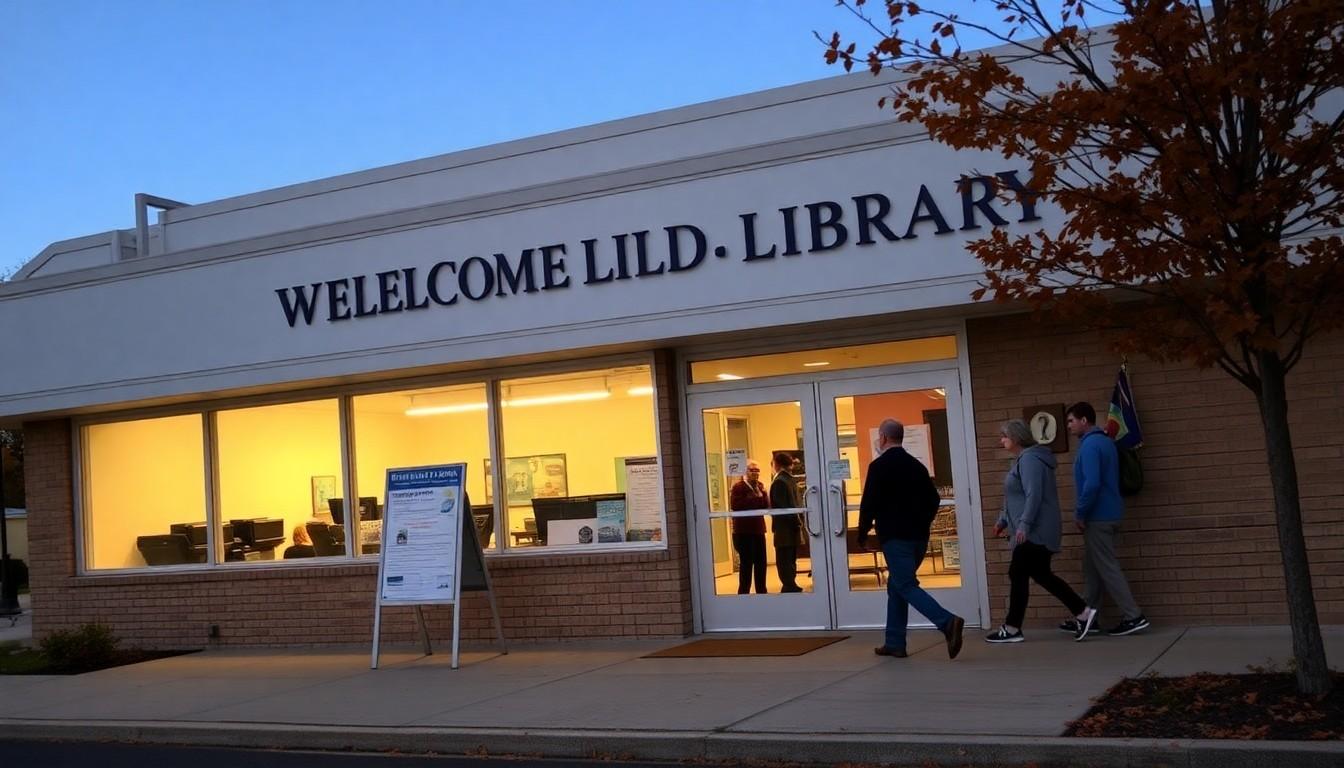
A public-library talk in Little Egg Harbor is set to bring overlooked LGBTQIA+ histories into focus. Called “Invisible and Essential: Learning LGBTQIA+ Histories”, the Ocean County Library programme is scheduled for Wednesday, 14 October, with New Jersey education official Kate Okeson presenting. The subject matters beyond the event itself: state education resources also treat LGBTQ history as part of a fuller account of the past.
A library talk puts overlooked histories centre stage
The advertised programme centres on a simple but weighty question: why can LGBTQIA+ history be difficult to find? The Ocean County Library says its presentation will explore overlooked historical moments and figures, and consider how learning about them can offer a more complete and accurate view of human experience.
There’s a particular poignancy in the title, “Invisible and Essential”. It suggests that the stories missing from familiar accounts aren’t an optional footnote, but part of understanding history more fully.
What’s planned at the Little Egg Harbor branch?
The library listing schedules the talk for Wednesday, 14 October, from 6 to 7.30 p.m. at the Little Egg Harbor Branch, in the Little Egg Harbor Meeting Room. The SandPaper report also identifies the branch and a 6 p.m. start, and names Kate Okeson, the New Jersey Department of Education’s director of Youth Equity, as presenter.
The event date has passed, so those details describe the programme as advertised, not confirmation that it took place. The listing categorises it as a lecture and discussion for adults and seniors.
Why LGBTQIA+ history belongs in the wider picture
New Jersey Department of Education guidance gives the subject a broader educational context. Its curriculum FAQ summarises requirements for teaching about the contributions of LGBT people in middle and high school, while its social studies resources include a dedicated section on integrating LGBT American history.
That’s a useful distinction: the library talk is a public programme, while the department’s guidance concerns schools and curriculum. Still, both point towards a shared idea - that LGBTQ history can sit within the wider story, rather than being treated as a separate aside.
Kate Okeson has presented the theme before
A New Jersey Stage report on Ocean County Library’s 2025 LGBTQIA+ Resource Fair also previewed a session called “Invisible and Essential: Learning LGBTQIA+ Histories”. It named Okeson as presenter and said the session would highlight overlooked people and events, linking those stories to a more complete account of human experience.
That earlier preview concerned a different event, so it doesn’t confirm the details of the Little Egg Harbor programme. It does, however, show that the subject has appeared in the library’s public programming before.
A practical way to explore the subject further
For readers who want to go beyond a single talk, the New Jersey Department of Education’s social studies page points educators towards resources on LGBT American history, including material from the Library of Congress and the GLBT Historical Society Museum and Archives. Its teaching guide also recommends placing the subject in wider historical contexts and drawing on primary sources such as letters, diaries and oral histories.
That approach offers a sensible starting point for anyone exploring a less familiar period or figure: look for evidence, consider the wider context and compare sources. History becomes richer when more experiences are visible.
The advertised programme offers a reminder that understanding the past means asking whose stories have been left out.
Source Reference Map
Story idea inspired by: [1]
Sources by paragraph: