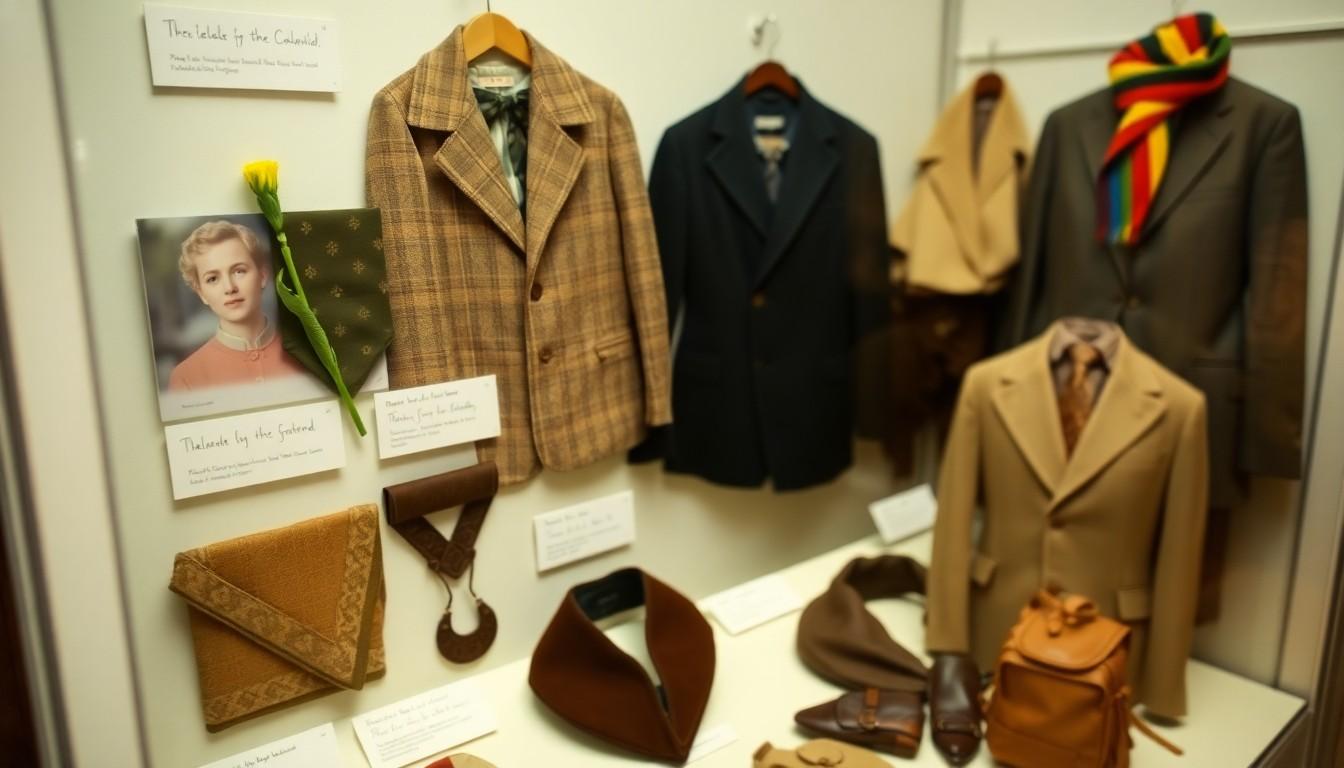
From Oscar Wilde's green carnation to the hanky code, queer fashion has often carried meaning beyond appearance. DNA Magazine's dictionary-style guide explores how clothes and accessories helped people recognise one another, while queer-history researchers and artists show how these signals emerged, shifted and still need context.
Queer fashion has always said more than it seems
A green carnation, a carefully placed earring or a coloured handkerchief can be more than a finishing touch. DNA Magazine's feature on gay culture begins with fashion as a way of shaping identity and signalling to those who know what to look for.
The publication points to Oscar Wilde's green carnation as an early example of a visible queer signal. HISTORY says Wilde asked friends to wear the flower to a play opening in 1892, after which it became associated with gay men. A small detail, then, could carry a message without spelling it out.
The hanky code made accessories a conversation
In the DNA excerpt, the hanky code is described as a way for leathermen to communicate specific interests through coloured handkerchiefs worn in back pockets. The colour and the pocket side could both matter, turning an everyday accessory into a compact visual message.
Them explains that flagging developed in queer settings where people couldn't always speak openly. The code became prominent in gay leather scenes during the 1970s, though its meanings were never entirely fixed. The History Project also notes that the practice's precise beginnings remain uncertain, with competing stories about its origins.
From covert signal to recognisable style
The code didn't stay tucked away in pockets. The History Project describes how bandanas moved into magazine illustrations, books, film and art, becoming part of a broader visual shorthand for queer masculinity. What began as communication understood by particular people could also become a visible expression of identity and community.
Photographer Hal Fischer explored this visual world in his 1977 project Gay Semiotics, documenting bandanas alongside keys, earrings and familiar styles such as leather, cowboy and jock. In Aperture's retrospective, art historian Julia Bryan-Wilson discusses how these details worked as a visual language: legible to some, but not necessarily obvious to everyone.
Why the code's meanings need context
It's tempting to treat a particular colour or accessory as if it always has one settled meaning. But Them stresses that there isn't one authority defining every flag, and interpretations can vary between communities and change over time. Academic research by Andrew Reilly and Eirik J. Saethre also examines how understandings of the code differ across generations and groups.
That makes the hanky code useful history, but not a substitute for a conversation. Them is clear that a flag isn't consent. In practical terms, clothing can suggest an interest, but it can't tell you what someone wants in the moment.
Fashion remains part of queer storytelling
The wider point is that clothes can carry more than personal style. DNA's opening entry links fashion with identity and shared recognition, while the research and histories show that meaning depends on who's reading the signal, and when.
The same idea helps explain why a performer such as Freddie Mercury could become such a vivid cultural figure. His official biography describes his flamboyant stage presence alongside his work as Queen's lead vocalist and creative force. Fashion isn't the whole story, of course, but presentation can help make a public image unforgettable.
Queer style is at its most interesting when it leaves room for both self-expression and conversation.
Source Reference Map
Story idea inspired by: [1]
Sources by paragraph: