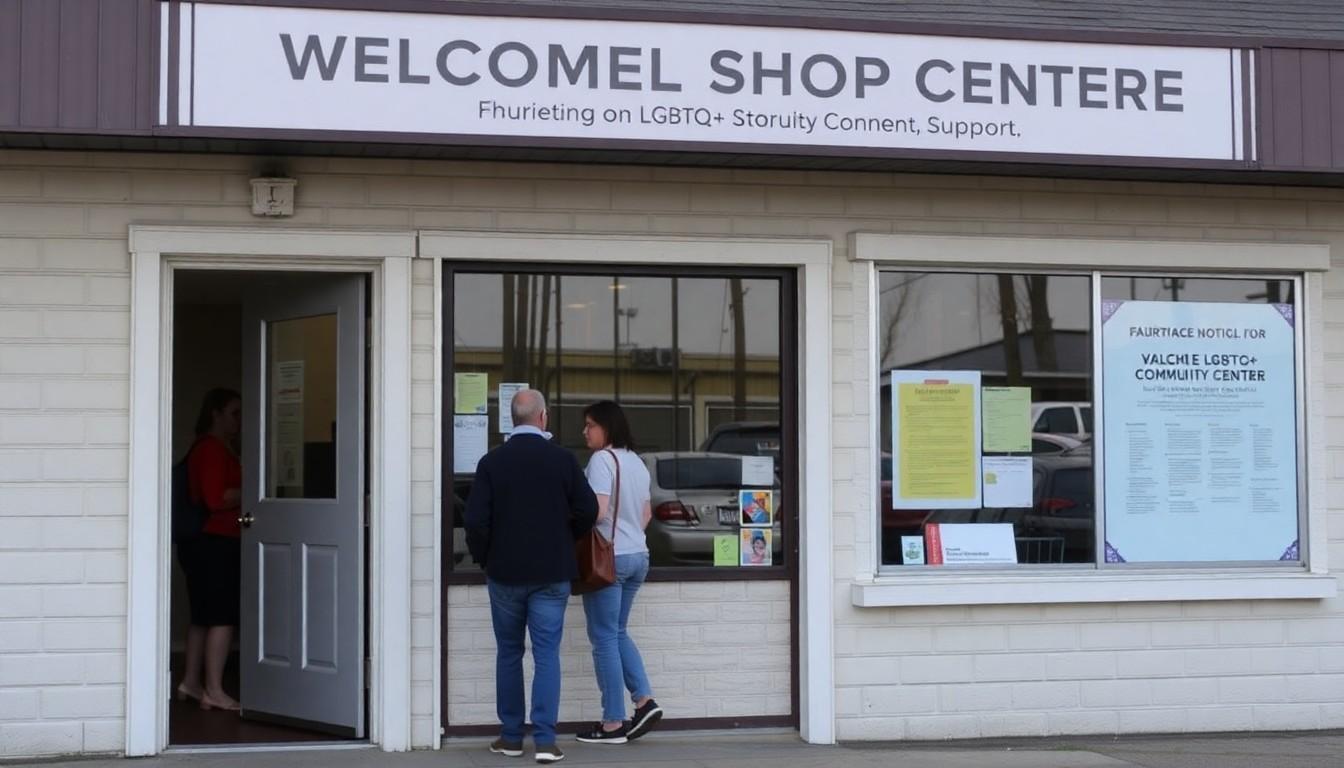
Small grants can have a lasting effect. In Connecticut, the Leonard-Litz LGBTQ+ Foundation has backed local organisations, youth activities and a permanent community space, helping LGBTQ+ people find connection and support. Its work shows why community philanthropy matters: the value isn't measured only in the amount awarded, but in what local groups can make possible.
Essential Takeaways
- Around 100 grants: The foundation's Community Grants programme has awarded approximately 100 grants, from $500 to more than $150,000.
- A lasting Bridgeport resource: Its partnership with the Greater Bridgeport Pride Committee helped establish a Pride Center intended as enduring community infrastructure.
- Connections across the region: A Pride Coalition developed with Circle Care Center spans more than 40 towns in Connecticut and New York.
- Support for students: The Out Accountability Project works towards safe, affirming school environments for LGBTQ+ students.
Modest grants can mean more than the numbers
A grant doesn't have to be enormous to change what a community group can do. In Connecticut, even a relatively modest award can help a volunteer-run Pride committee or community centre keep youth activities going and offer a welcoming place to connect.
That local focus is central to the Leonard-Litz LGBTQ+ Foundation's work. According to Connecticut Voice, founders Elliot Leonard and Roger Litz established the Fairfield-based foundation in November 2019; it publicly launched in late 2020 and has since made about 100 Community Grants, ranging from $500 to more than $150,000. Its priorities include LGBTQ+ organisations, with recent support extending to projects serving people of colour and transgender communities.
The foundation says its grantmaking focuses mainly on the north-eastern United States and supports both larger organisations and smaller groups with less access to funding. Its grantee list includes a broad mix of nonprofits, including the Out Accountability Project.
Bridgeport's Pride Center puts community first
The Bridgeport Pride Center is a clear example of support aimed at building something lasting. Rather than funding only a single event, the foundation partnered with the Greater Bridgeport Pride Committee to help establish a place where LGBTQ+ residents could find community and support.
The New Haven Register reported that the foundation pledged $100,000 towards creating a Bridgeport community centre in 2023, with a particular focus on LGBTQ+ young people. Its initial vision included confidential peer-support groups, art workshops and case management for young adults. The foundation later described the centre as a community resource for connection and support.
That distinction matters. A permanent space can give people somewhere to turn beyond a moment of celebration, while local groups gain a base for their work. It's a practical reminder that community infrastructure can be as important as individual programmes.
A regional coalition helps organisers connect
Some of the foundation's work is about helping groups support one another, not just funding them separately. In collaboration with Circle Care Center, it helped develop a Pride Coalition across Connecticut and New York, which has grown to include organisers from more than 40 towns.
The founders have described the coalition as a way for organisers to connect, learn and share support. For groups of different sizes, that kind of network can make it easier to exchange ideas and avoid working in isolation.
The foundation's broader activity has also included support for the TransPLUS Resource Center and SilverConnect, which focuses on LGBTQ+ older adults. Together, these examples show a grantmaking approach that reaches different communities and needs.
School support starts with listening
The Out Accountability Project focuses on the right of LGBTQ+ students to learn in safe, affirming environments. Its work brings parents, caregivers, allies and students together around LGBTQ+ inclusion in schools.
Founder Melissa Combs said in Connecticut Voice that the foundation's support helps the project monitor conditions in Connecticut schools, identify gaps in protections and provide useful information to families, educators and advocates. The project describes its mission as working towards safer, more supportive school settings for LGBTQ+ students.
For families, knowing where protections are missing can be a first step towards seeking change. And for a small organisation, funding that helps make its work sustainable can matter well beyond the grant itself.
The human value goes beyond the award
The foundation's own updates report that it approved its 150th grant in 2025 and had awarded or committed more than $6 million to nearly 150 organisations. Those later figures offer a wider snapshot of its work, while the Connecticut Voice article focuses on the roughly 100 grants in its account.
The numbers help show the scale, but they don't tell the whole story. A youth activity that continues, a centre that remains open or a family better equipped to support a student is a more personal measure of what philanthropy can do.
In the end, the most meaningful result may be a stronger sense of belonging.
Source Reference Map
Story idea inspired by: [1]
Sources by paragraph: