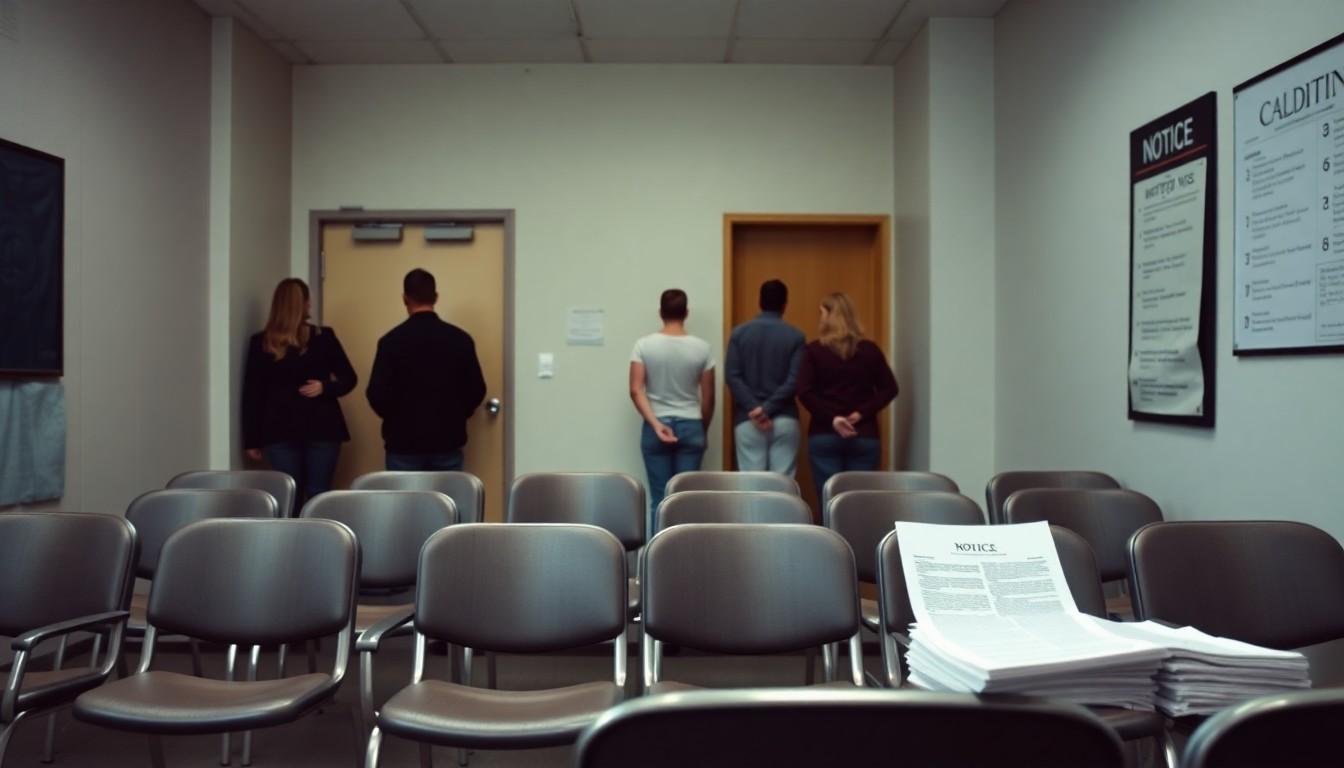
A celebrated performance can open doors, but for trans actors in Hollywood, acclaim hasn’t guaranteed steady work. Trace Lysette and Vico Ortiz describe a sharp drop in opportunities, while GLAAD’s latest film and television studies show trans characters becoming scarce on screen. The figures matter beyond representation: for performers, irregular work can also put healthcare and financial security at risk.
Essential Takeaways
- Work has dried up: Trace Lysette says the calls stopped after her acclaimed lead role in Monica.
- Television representation has plunged: GLAAD counted seven trans characters in its 2025-26 study, down from 33 the previous year.
- Film visibility is scarce: GLAAD found no trans characters among 225 films from ten major distributors.
- Irregular work has real consequences: Performers describe employment insecurity affecting access to health insurance and care.
- Some are finding other routes: Actors are pursuing independent projects, voice work and other opportunities.
Acclaim hasn't guaranteed the next role
For Trace Lysette, the success of Monica seemed to signal a new chapter. She earned an Independent Spirit Award nomination for the lead performance, appeared on The Kelly Clarkson Show with co-star Patricia Clarkson and landed a part in Quantum Leap. Then the offers she hoped would follow didn't arrive.
Lysette says she expected the recognition to lead to more regular television work, but instead found herself with far fewer opportunities. She told the Guardian that the experience felt as though the work she had built up had suddenly counted for nothing. [2]
That gap between acclaim and employment isn't new in her experience. LGBTQ Nation reported in 2023 that Lysette had already spoken about a stretch without role offers after Monica, and about wanting trans actors to be considered for a wider range of parts. [6] W magazine's interview around the film also described the title role as the culmination of years of effort. [7]
Fewer characters are appearing on screen
The employment squeeze is unfolding alongside a steep decline in representation. GLAAD's 2025-26 television study counted seven transgender characters, compared with 33 in the previous study and a record 42 in 2021-22. Six were women and one was a man; none of the seven is expected to return next season, because they appeared in cancelled shows or limited series. [3]
The film findings are stark, too. GLAAD's study of 225 films released in 2025 by ten major distributors counted no transgender characters. That result is specific to the films and distributors covered by the study, rather than a count of every film made or released worldwide. [4]
The contrast with recent films is telling. Trans performers appeared in Talk to Me, Barbie and Red, White and Royal Blue in roles where their characters' gender identity wasn't central to the story. But a presence in a handful of parts is a fragile foothold when the wider numbers are moving in the opposite direction. [2]
Why the numbers matter beyond casting
For actors, fewer roles mean more than a quieter diary. Vico Ortiz told the Guardian that the lack of larger parts has pushed them towards smaller projects, and warned that insecure employment can affect healthcare and access to gender-affirming care. [2]
Jack Haven's public appeal brought that pressure into sharp focus. GO Magazine reported that Haven sought qualifying work to reach an earnings target for SAG-AFTRA health insurance, illustrating how a shortfall in acting jobs can have consequences well beyond income. [5]
A shrinking production slate is part of the backdrop, but GLAAD's report says the fall in production alone doesn't explain the scale of the decline in trans characters. The Guardian's feature also points to industry caution and the wider political backlash against trans people as possible factors, while those interviewed describe a climate in which decision-makers may be reluctant to take risks. [2][3]
Choosing a role when opportunities are scarce
The numbers don't tell actors which job to take, but they do underline why flexibility matters. Some performers are turning to independent films, audiobook narration and voice acting while continuing to pursue screen work. The Guardian also notes trans actors appearing in newer productions released after GLAAD's research periods. [2]
For audiences, it helps to read representation figures with their limits in mind: a study counts the titles and characters within its stated sample, not every story being made. Still, when a television study finds no recurring trans characters on the horizon and a film study counts none in its sample, the lack of a steady pipeline is hard to overlook. [2][3][4]
There are reasons for hope, but no guarantee of an easy turnaround. Rebecca Root told the Guardian she believes the industry can move through this kind of setback, while Ortiz described finding a healthier relationship with Hollywood by doing work outside major networks. [2]
It's a small but important distinction: visibility on screen and sustainable work behind the scenes need to rise together.
Source Reference Map
Story idea inspired by: [1]
Sources by paragraph: