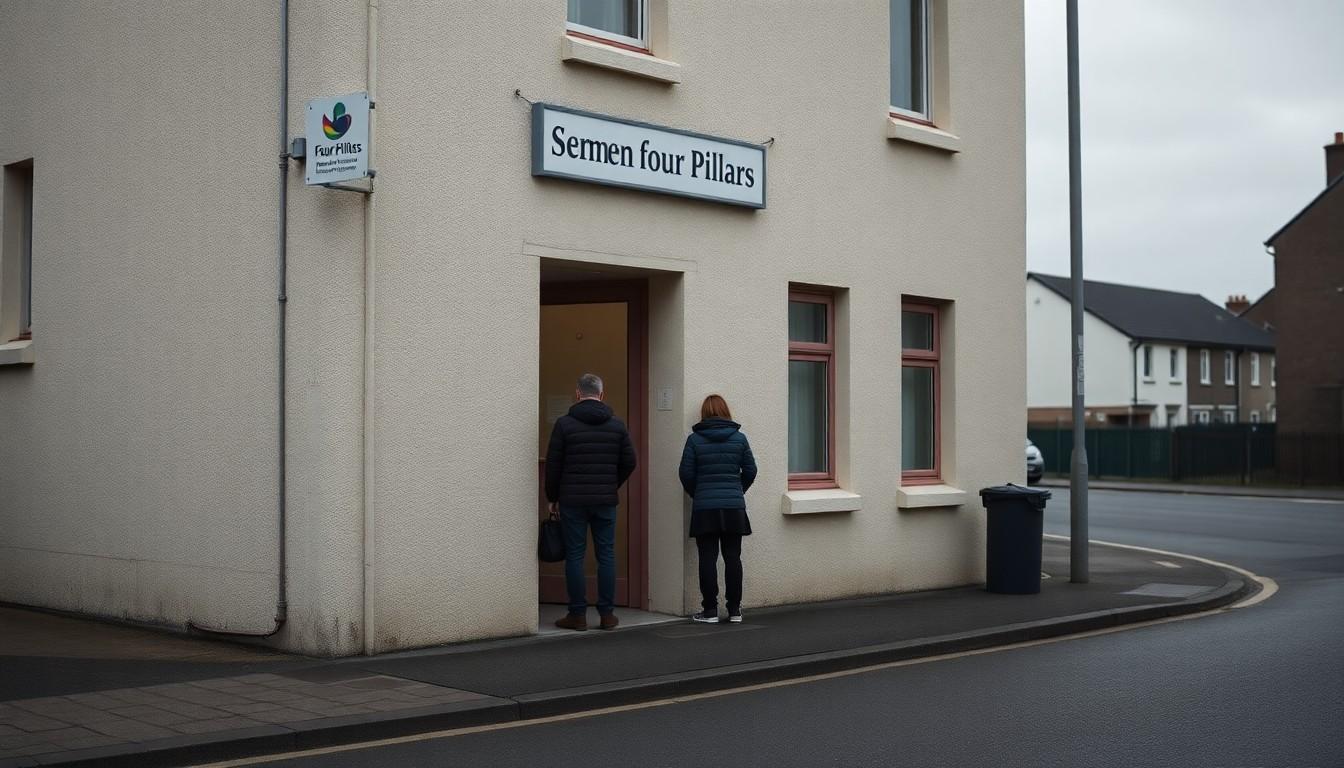
A funding crisis has left Four Pillars, the north-east of Scotland’s LGBT+ frontline charity, warning that it may have to close. The Aberdeen-based organisation offers drop-in and one-to-one support, and says losing that help could have serious consequences for people facing family difficulties, bullying, discrimination and mental health challenges. Here’s what’s at stake, and why the charity’s appeal matters.
Essential Takeaways
- Closure is a real risk: Four Pillars says falling donations and funding have created severe financial pressure, prompting an emergency fundraiser.
- Support goes beyond social events: The charity offers drop-in and one-to-one help, including conversations about coming out, family matters, bullying and discrimination.
- Its reach is substantial: Four Pillars reported nearly 10,000 community engagements in its most recent reporting year, according to STV News.
- The funding gap has wider context: Police Scotland recorded 8,538 hate crimes in 2024–25, though those figures do not represent every incident experienced by LGBT+ people.
- Public support is being sought: Scottish Greens MSP Maggie Chapman has called on the Scottish Government to provide crisis funding.
Four Pillars says its support could disappear
A quiet drop-in space can matter most when someone is dealing with a difficult conversation at home or feeling isolated. Four Pillars, an LGBT+ charity serving north-east Scotland, says it may be forced to close because of mounting financial pressure.
The organisation says falling donations and funding have prompted an emergency fundraiser as a last resort. Chief executive Deejay Whittingham told STV News that the charity offers both drop-in support and one-to-one help during personal crises, including around coming out, family difficulties, bullying, discrimination and mental health.
Whittingham warned that lives could be lost if the service disappeared. It’s a stark message, and one that reflects the seriousness with which the charity views its role.
This is more than a Pride organiser
Four Pillars is also known for its community work and Pride events, but its support is not limited to public gatherings. The Scottish LGBT Fund describes the charity as providing direct support, outreach and community-building across Aberdeen, Aberdeenshire and surrounding areas.
The charity’s one-to-one support can cover topics such as relationships, coming out, family matters, transitioning and sexual health, according to its official service information. Four Pillars says it doesn’t provide counselling or formal mental health diagnoses, but can discuss options when someone needs other support.
That distinction matters: a welcoming community space and a formal clinical service aren’t the same thing. But for people who need a place to talk or find information, losing a local point of contact could still leave a significant gap.
Funding pressure has already affected Pride
The charity’s financial strain has had a visible consequence: it cancelled its Pride parade this year, STV News reported. A follow-up report by the broadcaster described trustees’ difficulties securing grants, sponsorship and donations over the preceding 18 months, as well as a reduction in staff from nine people to four.
Four Pillars’ accounts for the year ending 31 March 2025 show total income of about £295,000 and expenditure of about £259,000, with reserves of £13,000. The annual report also records 11,833 engagements, including contacts through outreach teams, while STV News quoted nearly 10,000 community engagements for the charity’s most recent reporting year. Those totals use different reporting descriptions, so they shouldn’t be treated as directly interchangeable.
The accounts also show how much the charity relies on outside funding: grants made up a substantial part of income, while sponsorship for Grampian Pride contributed £78,000. When funding is uncertain, even a busy community organisation can find itself with little room to absorb a setback.
Hate-crime figures add to the concern
The appeal comes amid concerns about discrimination against LGBT+ people. The Scottish Government’s report says Police Scotland recorded 8,538 hate crimes in 2024–25, the first year after the Hate Crime and Public Order (Scotland) Act 2021 came into force.
Those are police-recorded crimes, not a count of every incident experienced by LGBT+ people. The report also cautions that changes to legislation and police recording systems mean comparisons with earlier periods aren’t straightforward.
Still, the figures help explain why local support can feel important. In the STV News report, Scottish Greens MSP Maggie Chapman urged the Scottish Government to recognise the service Four Pillars provides and offer crisis funding.
What could happen next?
STV News reported that the Scottish Government was understood to be considering engagement with Four Pillars. A later report from the broadcaster described a £50,000 funding gap and a stated deadline for the charity’s services, underlining how quickly the situation could develop.
For people who use the service, the immediate question is whether enough support can be found to keep it open. For the wider community, it’s a reminder that practical, local help often depends on funding that can be difficult to secure.
A fundraiser may help, but the charity is also looking for urgent support from decision-makers. If you’re concerned about the service, check Four Pillars’ own channels for its latest appeal and ways to help.
Keeping a welcoming place open can make a difficult moment feel less lonely.
Source Reference Map
Story idea inspired by: [1]
Sources by paragraph: