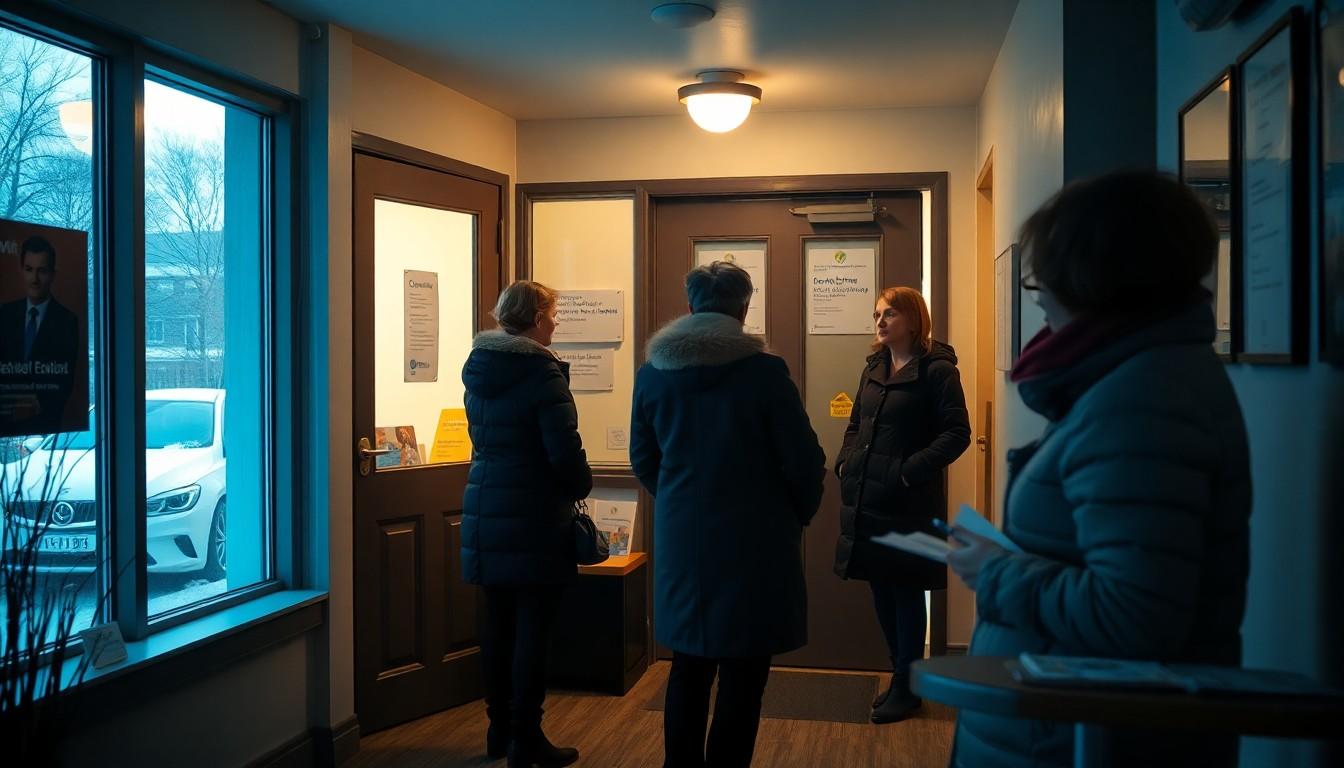
Notice changes in your sleep, social life or enjoyment of everyday activities? Winter can make existing pressures feel heavier, and for some people seasonal mood changes bring new challenges. Here are five signs it may be time to seek mental health support, plus practical ways to take a first step without waiting for a crisis.
Essential Takeaways
- Sleep changes matter: Trouble sleeping, waking often or sleeping much more than usual can be a reason to pay attention.
- Notice what’s shifting: Persistent hopelessness, anxiety, withdrawal or loss of interest can affect everyday life.
- Look at the whole picture: Physical health conditions and seasonal changes may add to emotional strain.
- You can start small: Talk with someone you trust, contact a health professional or find a support group.
- For a crisis in the US: Call or text 988 for support.
Winter can make existing pressures feel heavier
Shorter days, holiday stress, financial pressures and changes to routine can pile up. For LGBTQ+ people, these may coincide with concerns about affirming relationships, community connection or wider social and political uncertainty.
The National Institute of Mental Health says seasonal affective disorder, or SAD, is depression with a recurring seasonal pattern. Winter-pattern symptoms often begin in late autumn or early winter and may include low mood, reduced interest, changes in sleep and social withdrawal. Seasonal patterns can affect some people with depression or bipolar disorder, but not everyone with these conditions develops SAD.
Difficult days are part of life, but persistent symptoms that disrupt everyday routines deserve attention. The National Institute of Mental Health distinguishes major depression from occasional sadness by how long symptoms last and how much they interfere with daily activities.
Five changes worth noticing
First, look at your sleep. Struggling to fall asleep, waking repeatedly, sleeping much more than usual or still feeling exhausted after sleep can all be signs that something is affecting your wellbeing. The National Institute of Mental Health lists sleep changes among possible symptoms of depression and winter-pattern SAD.
Next, notice whether you’re pulling away from people or activities that usually help you feel connected. The US Centers for Disease Control and Prevention distinguishes social isolation, which involves having few relationships or sources of support, from loneliness, the feeling of being disconnected. Either way, a sustained change in your social life is worth taking seriously.
Persistent hopelessness, losing interest in things you usually enjoy, and anxiety that makes work, relationships or daily life harder are other reasons to seek support. The National Institute of Mental Health includes hopelessness and reduced interest among possible depression symptoms, while the Arthritis Foundation advises seeking medical help when anxiety or depression feels uncontrollable or interferes with ordinary life.
Physical health can affect emotional wellbeing, too
A physical condition can make everyday routines more difficult, and that can add to emotional strain. The Arthritis Foundation describes how pain and inflammation may limit activity, while depression can reduce motivation and energy. The effects can reach into sleep, social interactions and self-care.
That doesn’t mean a health condition automatically causes depression or anxiety. It does mean it’s worth considering the full picture if pain, reduced mobility or other health needs are making it harder to stay active or connected.
A first step doesn’t have to be complicated
You don’t need to wait until you’re in crisis to reach out. The National Institute of Mental Health recommends discussing significant symptoms with a health professional, who can assess what’s happening and help consider care options suited to your circumstances.
A first move might be telling someone you trust, booking an appointment with your primary-care provider, taking a mental health screening or contacting a therapist or support group. Connection can matter, too: the CDC notes that social isolation and loneliness are linked with mental and physical health risks, though supportive contact alone isn’t a replacement for professional care when it’s needed.
Mental Health Connecticut’s Winter Wellness Toolkit gathers seasonal information, activities and resources. The organisation says it releases a toolkit each December; check its website for current materials.
If you’re in crisis, contact 988
For people in the United States experiencing a mental health crisis, the 988 Suicide & Crisis Lifeline can be reached by calling or texting 988, or through online chat. Its official help page describes the service as free and confidential, with judgement-free support.
If you’re unsure where to begin, take one manageable step today. Asking for help is a way to care for yourself, not a failure to cope.
Source Reference Map
Story idea inspired by: [1]
Sources by paragraph:
- Paragraph 1: Lead article only
- Paragraph 2: [2]
- Paragraph 3: [2]
- Paragraph 4: [3]
- Paragraph 5: Lead article only
- Paragraph 6: [2]
- Paragraph 7: [2]
- Paragraph 8: [4]
- Paragraph 9: [2]
- Paragraph 10: [5]
- Paragraph 11: [5]
- Paragraph 12: [3]
- Paragraph 13: [4]
- Paragraph 14: [7]
- Paragraph 15: [6]
- Paragraph 16: Lead article only