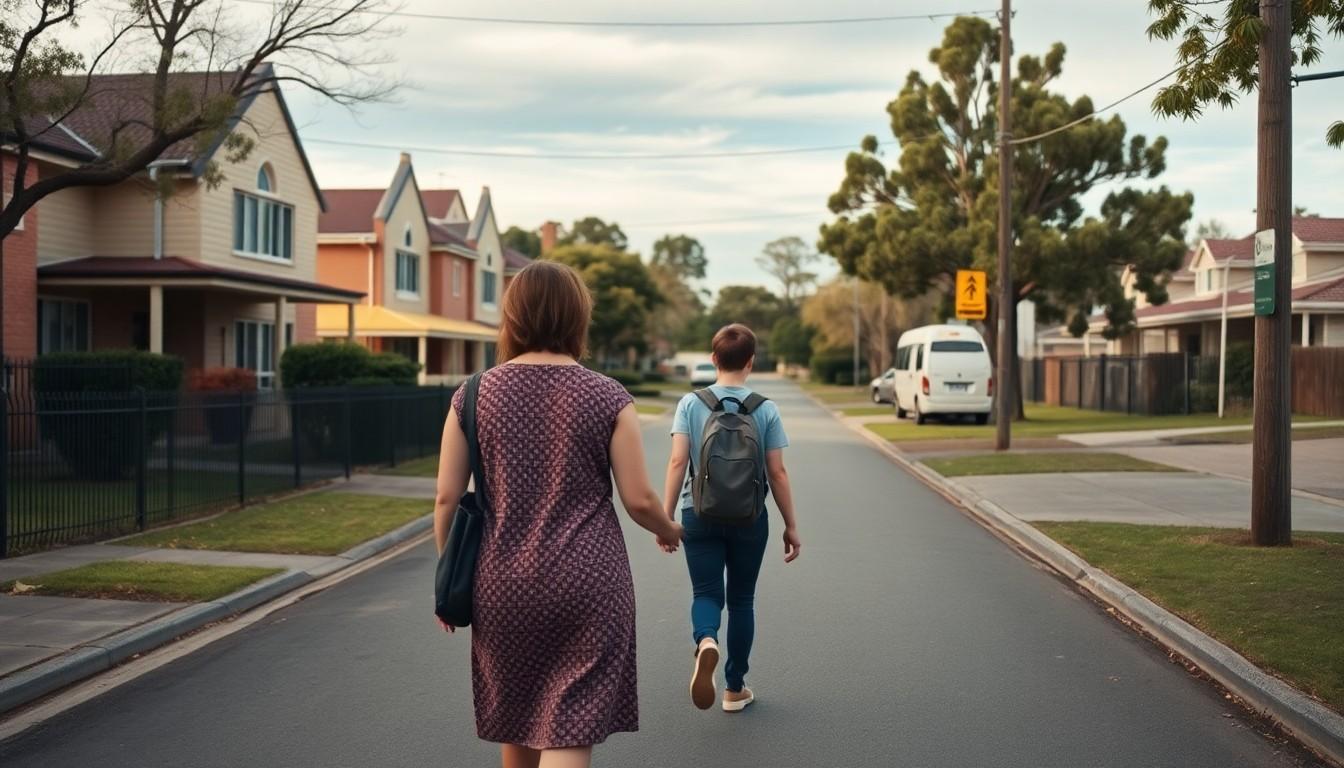
A mother’s story of her child’s transition and her own realisation that she’s a lesbian offers a personal look at family, identity and belonging. Set in Australia, it also raises questions about how schools support gender-diverse students, and where families can find reliable guidance when a young person needs to feel recognised and safe.
Essential Takeaways
- One family’s account: The Metro contributor describes Edwina’s childhood, transition and the family’s experiences at school and in their community.
- A parent’s own discovery: The writer says supporting her child helped her recognise feelings for women that she had suppressed.
- School experiences vary: The account describes a difficult response from one school, but it doesn’t establish what happened at other schools.
- Official guidance is available: Australian education and human rights bodies offer resources on supporting gender-diverse young people.
- Check the local rules: Guidance differs by jurisdiction, so families should consult the relevant state or territory authority.
A child’s confidence changed the conversation
A game of “mums and mums” became a small but lasting moment in the Metro contributor’s account of her child Edwina. The writer says Edwina, assigned male at birth, began expressing herself as a girl in childhood, and that supporting her prompted the mother to revisit her own understanding of identity.
The story is personal testimony, not an independent investigation into the family’s experiences. Still, its emotional centre is clear: a parent describes a child’s confidence as the beginning of a wider family journey.
School support can shape a family’s experience
The writer says Edwina’s school initially allowed her to join girls’ sports but not use the girls’ toilets, and that the family faced objections from other parents after the school discussed her transition with classmates. The account says Edwina was excluded for six weeks before the class was told.
Those are claims about one family’s experience, not a finding about the school or a picture of every school’s approach. ABC News reported on bathroom-access disputes involving transgender students in Australia in 2017, showing that questions of facilities, inclusion and community expectations were already part of public debate.
What current school guidance says
For families looking for practical information, the New South Wales Department of Education’s guidance discusses names, communication with students and families, and access to toilets and change rooms. It says restrictions on access to facilities aligned with a student’s identified gender should be reviewed regularly, and that concerns from other students should be addressed through support and learning processes.
The Australian Human Rights Commission also outlines considerations including chosen names and pronouns, privacy and young people’s participation in decisions affecting them. In Queensland, the Human Rights Commission’s Trans @ School resource explains ways students and families can seek support and raise concerns. These are useful starting points, but the Queensland resource shouldn’t be treated as a guide to rules elsewhere.
A parent’s own identity comes into view
The Metro contributor says that, while looking for queer creators to share with Edwina, she came across more videos about women who love women. She describes recognising an attraction she had pushed aside since her teenage years, and says her husband responded with love and acceptance when she came out.
The account follows the family through separation and into a continuing relationship. The writer says she and Edwina later joined community events in Sydney, including Mardi Gras. Dykes on Bikes Sydney describes its own participation in the celebration, but that doesn’t independently confirm the family’s attendance.
Belonging matters beyond the headlines
The story is part of Metro’s Queer Hope & Joy series, which the supplied article says is running alongside LGBT Foundation’s Hope Starts Here campaign. Its focus is not only on a difficult school experience, but also on family support, self-discovery and finding community.
For parents facing questions about a child’s school experience, official guidance can help clarify options and local processes. And for a family navigating change, feeling heard and supported can matter just as much as knowing where to find the rules.
A family’s story can open the door to a wider conversation about support, dignity and belonging.
Source Reference Map
Story idea inspired by: [1]
Sources by paragraph: