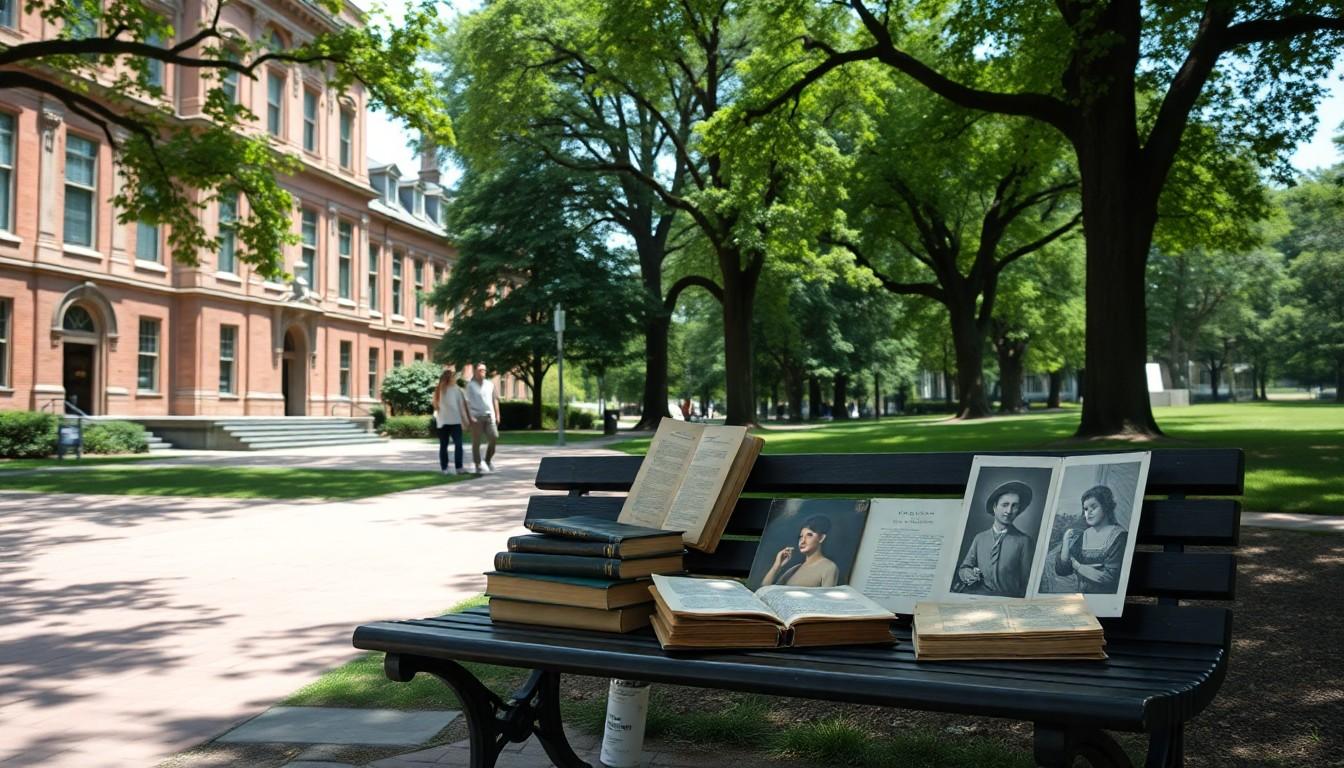
A quiet post titled “Moment of Zen: The Great Outdoors” appeared on The Closet Professor on 14 November 2026, but the page available to readers offers little detail beyond its title and date. The blog’s wider interests reach well beyond the outdoors, spanning LGBTQ+ history, art, literature, politics and culture. For readers keen to explore those subjects, museums and archives offer a rich next step.
A title that leaves room for curiosity
“Moment of Zen: The Great Outdoors” is an intriguing title, but the visible post doesn’t provide a description of its image or explain what prompted it. That means there’s no sound basis for guessing what the picture shows. Sometimes, a little mystery is all a brief post leaves behind.
The Closet Professor describes itself as a blog about GLBT studies, covering history, art, literature, politics and culture, alongside other topics that catch its author’s interest. It also warns that some posts include non-sexual nudity and says images may come from other blogs, with rights holders invited to request removal.
LGBTQ+ history lives in objects and archives
For a deeper dive into LGBTQ+ history, the National Museum of American History offers a useful starting point. Its materials connect LGBTQ+ experiences with subjects including protest, politics, medicine, sport and entertainment, showing how objects and archives can help tell stories that weren’t always recognised or deliberately preserved.
The National Museum of African American History and Culture brings another perspective through materials documenting LGBTQ+ histories and contributions, with particular attention to African American experiences. Its collection connects those histories with literature, performing arts, religion, politics, activism and community life.
Looking for LGBTQ+ art? Start with collections
The Library of Congress points readers towards LGBTQ+ arts collections covering areas such as art, theatre, film and photography. Its guide is a research route into archival holdings, rather than a description of any one artwork or image.
That distinction matters when a post offers little context. A collection guide can help you find documented material, but it can’t identify an image whose details aren’t provided. The supplied post doesn’t reveal the photograph’s subject or provenance, so its specific content remains unknown.
From a photograph to a wider history
The Library of Congress also brings together resources for studying LGBTQ+ history through primary sources, including photographs, correspondence and government records. Its classroom materials encourage readers to investigate activism and cultural contributions using original evidence, rather than relying solely on later summaries.
And history isn’t found only in reading rooms. The National Park Service highlights places connected with lesbian, gay and bisexual history, from homes and bars to parks, hospitals and community centres. It’s a reminder that everyday spaces can hold stories worth exploring, too.
Read with curiosity, and check the context
The blog’s broad remit may appeal to readers who enjoy following ideas across history, art and culture. But when a particular post contains little explanatory text, it’s best to resist filling in the blanks about its image or meaning.
If the topic interests you, museum collections, library guides and heritage resources offer clear ways to keep exploring. They won’t verify this post’s photograph, but they can open a much wider view of LGBTQ+ lives, art and history.
A small post can be a starting point; the archives are where the trail gets longer.
Source Reference Map
Story idea inspired by: [1]
Sources by paragraph: