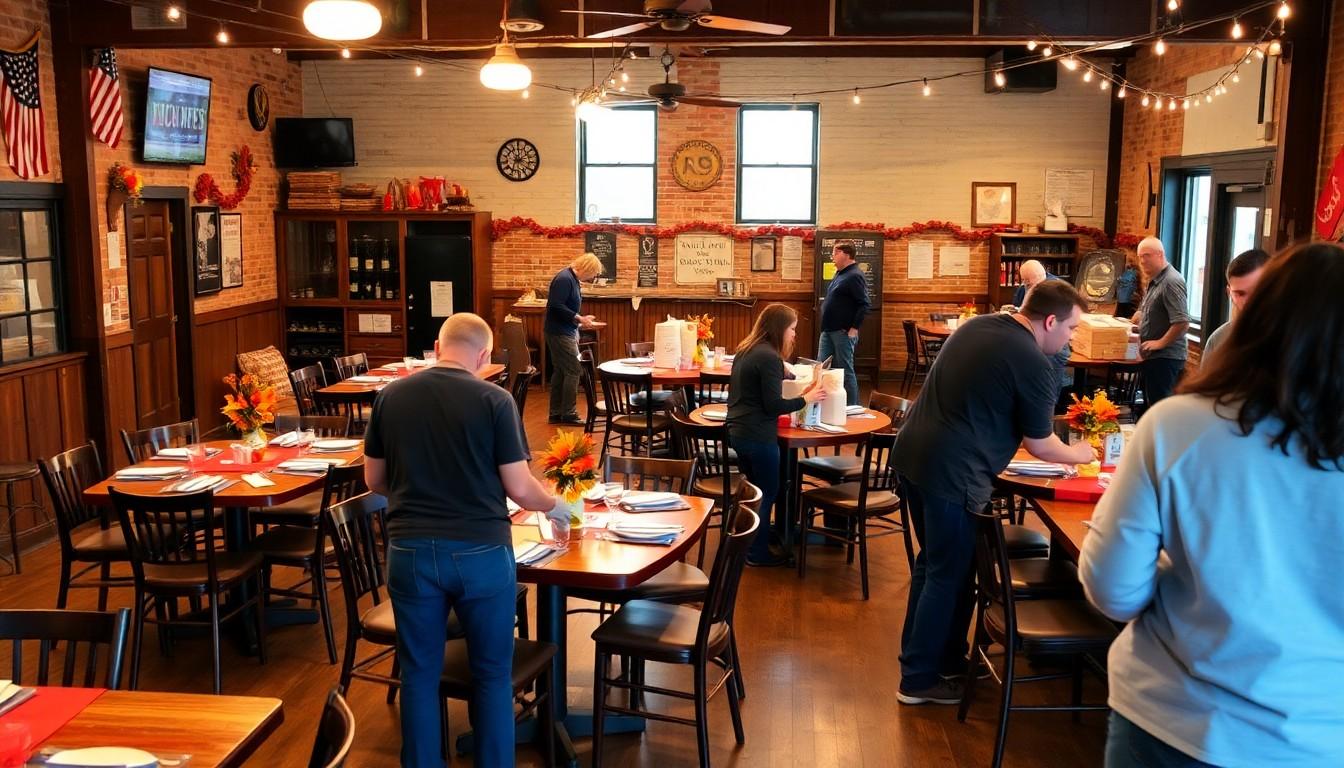
Memphis organiser Lisa Berry has spent years creating ways for LGBTQ+ people to meet through brunches, creative activities and friendship-focused events. But she also knows what it feels like to be lonely while helping others connect. Now, Lisa Berry Presents Memphis is pairing social gatherings with community service, while making room for mental health conversations and more reciprocal support.
Essential Takeaways
- Connection beyond nightlife: Berry’s events offer LGBTQ+ Memphians ways to meet through shared interests and platonic friendship.
- A familiar gap: After sharing her own feelings of isolation on TikTok, Berry heard from others who had also struggled to feel included.
- Friendship through shared activity: A speed-friending gathering led some attendees to create an ongoing group chat and support system.
- Service with a social side: Party with a Purpose links volunteer activities with opportunities to gather and get to know other participants.
- Practical support: In the US, people can call or text 988 for free, confidential crisis support; you don’t have to wait until you’re in crisis to reach out.
Community can still feel lonely
The person bringing people together can be the one who feels left out. That tension sits at the heart of Lisa Berry’s work in Memphis, where social events have offered LGBTQ+ people a way to meet beyond dating and nightlife. A welcoming room can help, but feeling surrounded by people isn’t quite the same as feeling supported.
Berry says her efforts to connect others increasingly left her feeling isolated. When she shared that experience on TikTok, people responded with their own accounts of exclusion and disappointment, revealing that the search for genuine connection wasn’t hers alone. (Sources: [2], [3])
The wider picture gives that conversation added weight. The US Centers for Disease Control and Prevention found that adults reporting loneliness or a lack of social and emotional support also reported worse mental health outcomes more often. The report describes an association, not proof that loneliness directly causes a particular outcome, and it doesn’t assess Berry’s events. (Source: [4])
Friendship beyond nightlife is the point
Berry began Lisa Berry Presents Memphis because she wanted more chances to meet like-minded women without dating expectations or nightlife at the centre. Her events have included brunches and creative gatherings, with the aim of making conversation feel more natural through a shared activity. (Sources: [2], [3])
Edible Memphis reports that the project grew from an online conversation into meetups including queer brunch, karaoke, cake decorating and speed-friending. The publication also describes people arriving alone and later returning with friends, a small but telling sign that an event can become more than a date on the calendar. (Source: [3])
One gathering made that idea especially tangible: after a February 2026 speed-friending event, several attendees formed a group chat that developed into an ongoing support system, according to Focus LGBT+. That kind of follow-through is a useful measure of connection too. Attendance matters, but so does what people carry home with them. (Source: [2])
Shared service can make meeting easier
Berry is extending the social side of the project through Party with a Purpose, which combines volunteer work for local causes with a chance to reconnect socially within seven days. Opportunities may include helping at nonprofit events, supporting community projects or taking on practical tasks for local organisations. (Source: [2])
For anyone who finds open-ended mingling a bit daunting, working alongside someone offers an easy starting point: there’s something to do, and a reason to talk. Berry’s approach treats service not only as a way to help organisations, but as shared ground on which friendships may grow. (Source: [2])
Mental health belongs in the conversation
Berry, who is a suicide attempt survivor, encourages people to notice when friends become withdrawn or disconnect from their usual activities. She says meaningful support doesn’t require a perfect answer; listening without judgement and checking in consistently can matter. (Source: [2])
That advice sits alongside broader evidence from the CDC: its analysis found that loneliness and inadequate social and emotional support were associated with worse reported mental health among adults in the states covered by its survey. The findings aren’t an evaluation of any community event, but they underline why belonging and support deserve attention. (Source: [4])
Berry’s planned Friendsgiving gathering is intended to bring connection and mental health awareness together, with community resources and a presentation from The Braid Foundation, a Memphis-based nonprofit focused on mental health wellness. The event is described as recognising International Survivors of Suicide Loss Day, an annual occasion for people bereaved by suicide to connect and find understanding, according to the American Foundation for Suicide Prevention. (Sources: [2], [6], [7])
Starting small still counts
Berry is also learning to make space for rest and boundaries, rather than always being the person in charge. Her advice for anyone nervous about joining in is refreshingly manageable: attend an activity you enjoy, volunteer for an hour or introduce yourself to someone new. (Source: [2])
And if you or someone you know is struggling, support is available before things reach a crisis point. The 988 Suicide & Crisis Lifeline says people in the US can call, text or chat with trained counsellors for free, confidential help, including for emotional distress, loneliness and mental health concerns. (Source: [5])
Belonging doesn’t have to begin with a grand gesture; sometimes it starts with showing up once.
Closing Line
Find a small way to connect, lend a hand or let someone know you’re there.
Source Reference Map
Story idea inspired by: [1]
Sources by paragraph: