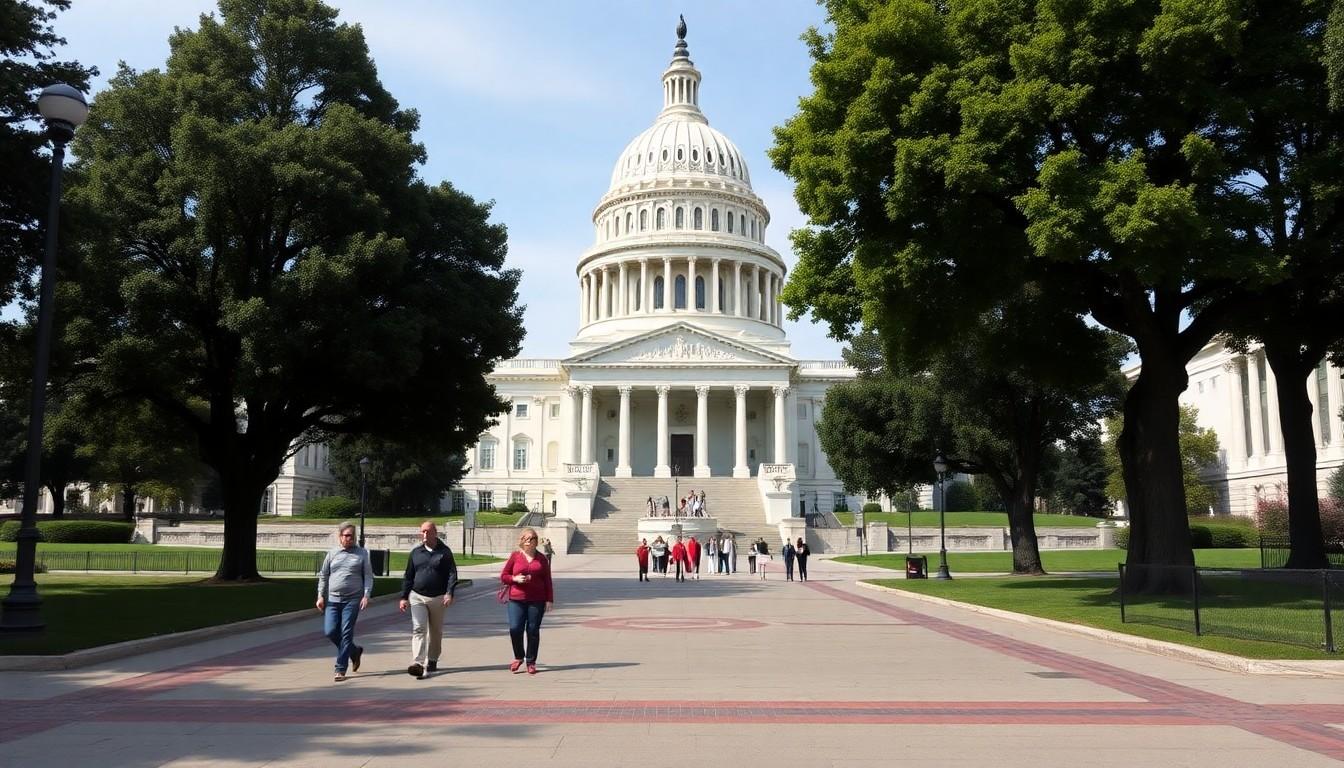
A historic Democratic victory in the 2026 US midterms brought a record number of openly LGBTQ+ lawmakers into Congress, while voters also backed significant state-level changes. For queer and trans Americans, the results offer reasons for hope, but advocates say the real test is what lawmakers do next, from advancing equality protections to addressing healthcare and affordability.
Essential Takeaways
- A record for representation: The Washington Blade reported that the midterms produced an unprecedented number of LGBTQ+ lawmakers in Congress.
- Virginia changed its constitution: Voters approved an amendment removing the state’s former same-sex marriage ban.
- Missouri’s ballot measure was consequential: It proposed restrictions that included a ban on gender-transition procedures for minors, with specified exceptions.
- The Equality Act remains an advocacy priority: The proposed law is intended to extend federal civil-rights protections to LGBTQ+ people.
- Overseas Americans can vote: VoteFromAbroad explains how citizens abroad can request and return absentee ballots, with requirements varying by state.
A Democratic win puts LGBTQ+ representation in the spotlight
The 2026 midterms delivered a sweeping Democratic victory, and the new Congress will include a record number of openly LGBTQ+ lawmakers. The Associated Press reported that Democrats won control of both chambers, while the Washington Blade documented the LGBTQ+ candidates who won congressional races. For people who have watched debates over queer and trans rights grow increasingly fraught, that visibility carries weight.
The Washington Blade’s reporting also shows that many candidates paired support for LGBTQ+ equality with concerns such as healthcare access and affordability. That matters: representation isn’t only about who gets elected, but also about whether their priorities reflect the lives of the people they represent.
The Equality Act is the next big test
For Freya Proudman, co-chair of Democrats Abroad UK’s LGBTQ+ Caucus, the election brings both hope and responsibility. She told DIVA that advocates want Congress to pass the Equality Act, which is intended to make clear that federal civil-rights protections cover sexual orientation and gender identity.
A congressional hearing transcript describes the bill’s purpose as amending existing laws, including the Civil Rights Act of 1964, to clarify those protections. But a proposal and a passed law aren’t the same thing. The transcript records the bill’s intended protections and arguments made in its favour; it doesn’t establish that the Act has passed or settle its current legislative status.
State ballot results show why local details matter
In Virginia, voters approved Question 2, removing the former same-sex marriage ban from the state constitution and replacing it with language affirming marriage equality. Ballotpedia explains why the change mattered even after the US Supreme Court’s 2015 Obergefell decision: the old wording remained in the constitution, and the amendment removed it.
Missouri presented a different picture. The state’s Secretary of State describes a ballot measure that would have imposed restrictions including a prohibition on gender-transition procedures for minors, with exceptions for specified medical conditions. The official page explains the proposal, but it doesn’t verify the final result. That distinction is worth keeping in mind when comparing ballot language with claims about how voters ultimately decided.
The election was about more than LGBTQ+ rights
The Associated Press reported that voters were also concerned about high prices, the Iran war and government corruption. Democratic gains could constrain the administration’s legislative agenda and give party leaders greater power to investigate the president and senior officials.
That broader picture echoes the point Proudman made to DIVA: LGBTQ+ people are affected by issues that reach well beyond equality legislation, including healthcare and economic pressures. The Washington Blade likewise found that candidates’ platforms often combined LGBTQ+ protections with healthcare and affordability. Rights and everyday security aren’t separate conversations; for many voters, they sit side by side.
Living abroad doesn’t mean losing your vote
Proudman urged Americans overseas not to assume their votes don’t count. VoteFromAbroad’s guidance says US citizens generally use a Federal Post Card Application to register and request an absentee ballot, even if they’re already registered. They then need to complete and return the ballot by the applicable deadline.
The practical details vary by state, including which return methods are accepted, so check the instructions from your local election office. VoteFromAbroad can also help with the application process. It’s a useful reminder that distance doesn’t have to mean disconnection from the ballot box.
The record matters, but the next measure of progress will be what elected officials do with it.
Source Reference Map
Story idea inspired by: [1]
Sources by paragraph: