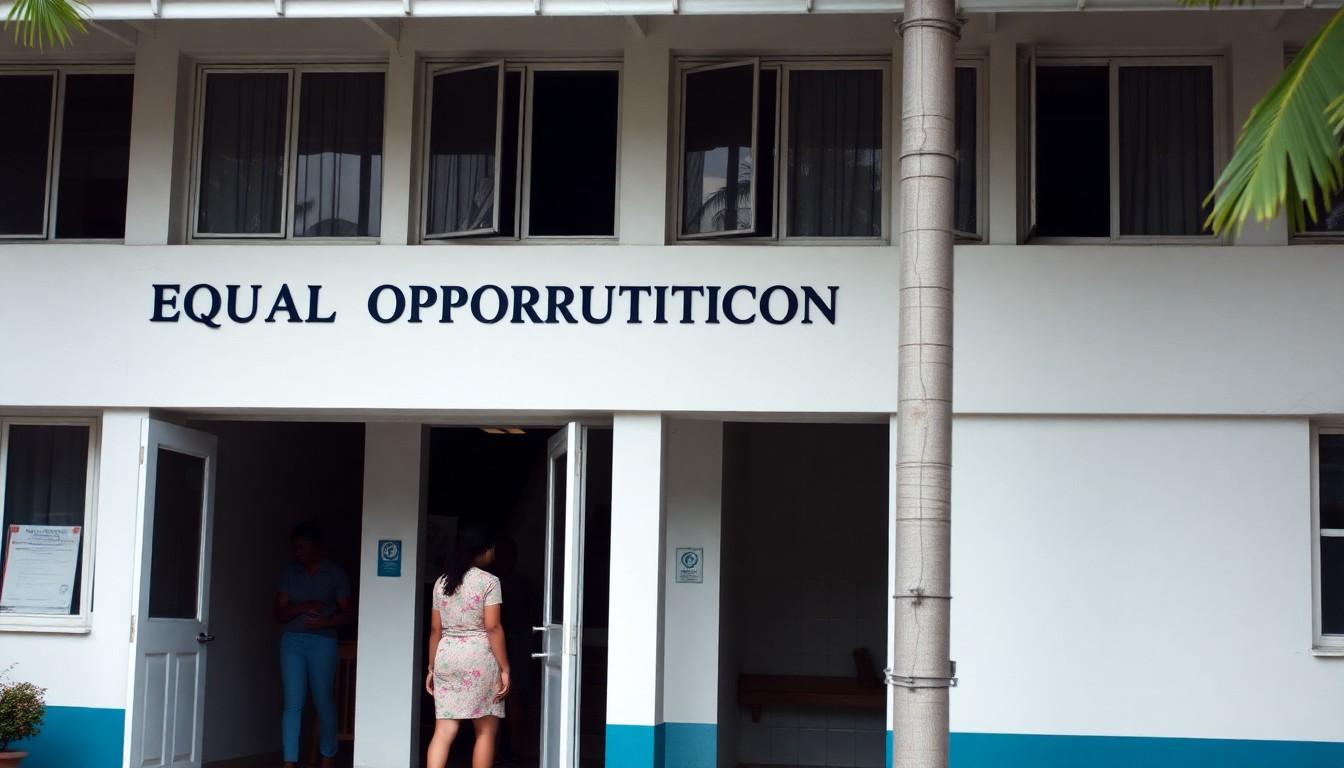
A landmark Privy Council ruling has clarified that Trinidad and Tobago’s laws cannot criminalise private, consensual same-sex relations between adults. The Equal Opportunity Commission has welcomed the decision, but says it does not automatically expand the country’s anti-discrimination protections. That distinction matters: the court ruling is a major legal change, while broader protection from discrimination still requires action by Parliament.
Essential Takeaways
- The court ruled for Jason Jones: The Privy Council allowed his appeal over sections 13 and 16 of the Sexual Offences Act.
- Private, consensual relations are protected: The provisions must be interpreted so they do not criminalise private, consensual sexual relations between adults of the same sex.
- The Equal Opportunity Act remains separate: The judgment does not automatically add sexual orientation or preference to its protected grounds.
- The Commission wants wider safeguards: It says it has previously recommended amending the Act to include sexual orientation or preference.
- The Commission is urging respectful dialogue: It says dignity and fair treatment should guide public discussion.
A landmark ruling, with a clear legal boundary
The Privy Council has ruled in Jason Jones’s favour, finding that sections 13 and 16 of Trinidad and Tobago’s Sexual Offences Act infringe his fundamental rights. The court said the provisions must be interpreted so they do not criminalise private, consensual sexual relations between adults of the same sex, according to the Judicial Committee of the Privy Council.
The decision concerns private life, but its implications reach beyond the courtroom. The Associated Press reported that activists celebrated the ruling, which follows years of legal proceedings over laws that Jones argued were unconstitutional.
What the Equal Opportunity Commission says
The Equal Opportunity Commission has described the judgment as a significant development for the country’s legal and human rights landscape. It is encouraging respectful public discussion and mutual understanding, while stressing that everyone deserves dignity and fair treatment.
That response also draws an important line between decriminalisation and protection from discrimination. The Commission says the ruling affirms constitutional protections, including respect for private and family life, but it does not give the body new powers to investigate every kind of discrimination.
The Equal Opportunity Act still has limits
The Act covers employment, education, the provision of goods and services, and accommodation. Its protected status grounds include race, ethnicity, religion, marital status, disability, sex and origin, including geographical origin, the Commission says.
But sexual orientation or preference is not currently included in the Act’s definition of sex, so the Commission says it cannot investigate complaints linked to a person’s actual or perceived private, consensual sexual activity. A previous Commission report also records that sexual orientation is not among the protected status grounds and that amendments have been proposed.
Why Parliament still matters
The Privy Council’s decision changes how the challenged criminal provisions must be read; it does not rewrite the separate anti-discrimination law. For the Commission to receive and investigate complaints based on sexual orientation or preference, the Act must be amended by Parliament.
That distinction can be easy to miss amid a major court ruling. UNAIDS has also welcomed the judgment while calling for changes to the Equal Opportunities Act, noting that decriminalisation alone does not complete the work of achieving equality.
A legal milestone, and a conversation still under way
The ruling has drawn attention to the difference between being protected from criminalisation in private and having a route to complain about discrimination in other areas of life. Human Rights Watch has welcomed the decision as a human rights development, while the Commission has called for continued reflection on how equality protections respond to society’s needs.
The legal result is significant, but the next steps are not automatic. For the Commission’s remit to cover discrimination based on sexual orientation or preference, legislation would need to change.
Respectful discussion is a useful starting point; wider legal protections remain a separate question.
Source Reference Map
Story idea inspired by: [1]
Sources by paragraph: