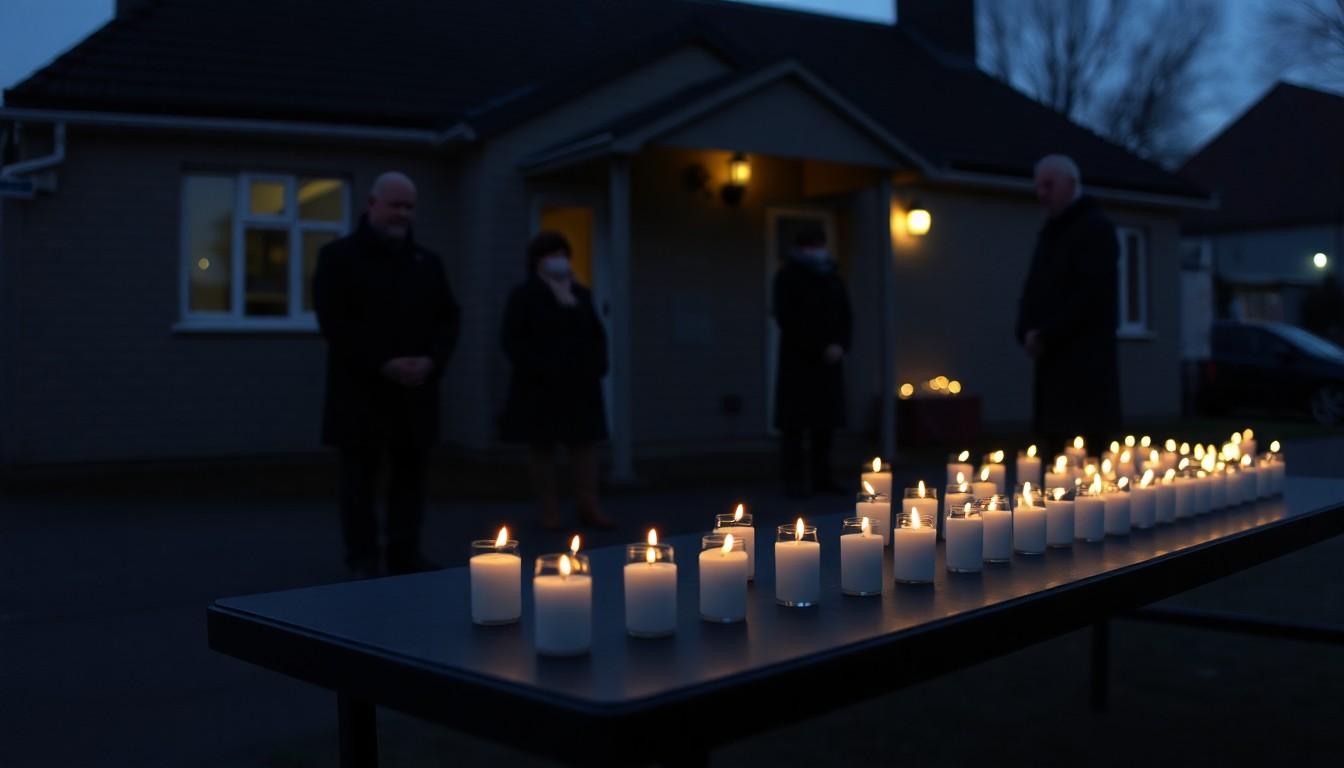
As Transgender Day of Remembrance approaches on 20 November, people and organisations gather to honour transgender people who have lost their lives to anti-transgender violence. The annual observance grew from a 1999 vigil for Rita Hester, and offers a chance to remember those lost, learn about the violence affecting transgender communities and consider how to show support.
Essential Takeaways
- An annual remembrance: Transgender Day of Remembrance takes place on 20 November.
- A vigil’s beginnings: Transgender advocate Gwendolyn Ann Smith started the observance in 1999 to honour Rita Hester, who was killed in 1998.
- A shared way to take part: People can attend or organise a local vigil, where names of those who died may be read aloud.
- Awareness comes first: Transgender Awareness Week takes place in the preceding week, with a focus on visibility, education and advocacy.
- Reporting matters: Resources from GLAAD and other organisations offer guidance on covering violence and discrimination respectfully.
A quiet vigil became an annual act of remembrance
Transgender Day of Remembrance, or TDOR, began with a vigil and a name: Rita Hester, a transgender woman killed in 1998. In 1999, transgender advocate Gwendolyn Ann Smith helped organise a gathering in her memory, which also honoured other transgender people lost to violence. That first vigil became an annual observance held on 20 November.
The date is a moment to remember people whose lives were lost to anti-transgender violence, not simply to mark a place on the calendar. HISTORY describes the observance as both a memorial and a public reminder that transgender victims deserve to be identified and treated with dignity.
Awareness Week leads into remembrance
The week before TDOR is Transgender Awareness Week, linking public visibility with remembrance. GLAAD describes it as a time for transgender people and allies to educate the public, share experiences and draw attention to prejudice, discrimination and violence.
The two observances have distinct purposes. Awareness Week centres visibility and learning; TDOR brings people together to mourn those lost. Taken together, they offer a useful rhythm: make space to hear about transgender lives, then make space to remember people who are no longer here.
What happens at a TDOR vigil?
Local transgender advocates or LGBTQ organisations often host vigils on 20 November. They may take place in community centres, parks, places of worship or other venues, and a common part of the programme is reading aloud the names of people who died that year.
If you're thinking of attending, GLAAD's practical suggestion is simple: look for a local vigil or consider organising one. The gathering itself doesn't need elaborate trimmings to matter. Listening, remembering and showing up can be meaningful acts of support.
Remember people, not just statistics
The subject calls for care as well as attention. The Human Rights Campaign's report on fatal violence in the United States during 2020 warns that transgender victims can be misidentified in official records and news coverage. It stresses using the person's correct name and pronouns, and remembering that each victim had a full life beyond the circumstances of their death.
For journalists, the Transgender Law Center recommends verifying a person's identity, avoiding sensational framing and placing violence in its wider context. Its guidance also cautions that inconsistent names or pronouns are not proof of someone's identity. Those principles matter beyond a newsroom: careful language helps keep remembrance respectful rather than reducing a person to a headline.
Research adds context, with limits
GLAAD points readers to resources on violence and discrimination, including research from the National Center for Transgender Equality. Its National Transgender Discrimination Survey gathered responses from 6,450 transgender and gender-nonconforming people across the United States and several US territories. The summary describes a broad picture of discrimination, but it is historical research, not a current census.
That distinction is worth keeping in mind when reading any report: check what period it covers and who took part. The Human Rights Campaign report, for instance, focuses on fatal violence during 2020, rather than providing a current count. These resources can help readers understand the issues behind the observance, while vigils give remembrance a more personal, human focus.
Closing Line
A vigil, a careful story or a moment of listening can all help make remembrance count.
Source Reference Map
Story idea inspired by: [1]
Sources by paragraph: