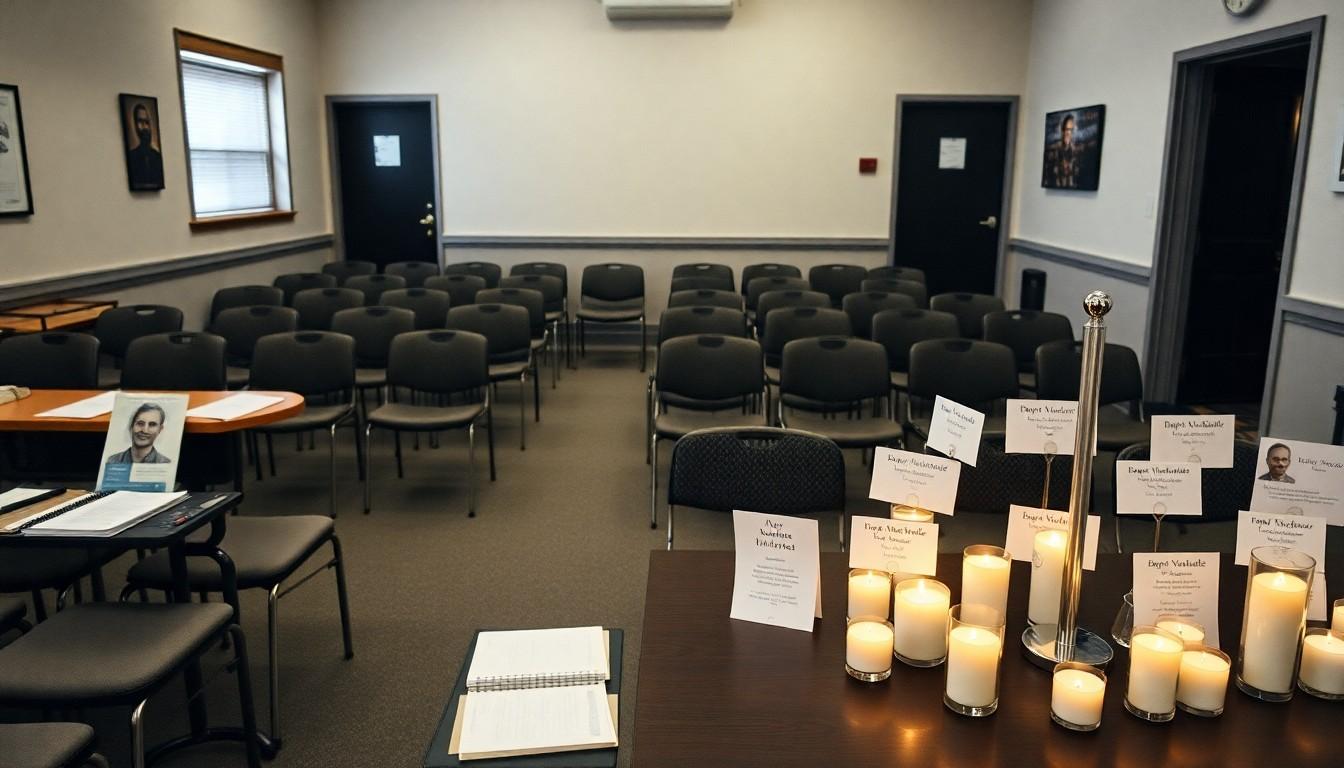
Marking 13 to 19 November, Transgender Awareness Week invites people across the US to learn about transgender communities, share stories and support advocacy. It leads into Transgender Day of Remembrance on 20 November, when vigils honour people lost to anti-transgender violence. Here are thoughtful ways to take part, from educating yourself to showing up for local events.
Essential Takeaways
- Know the dates: Transgender Awareness Week runs from 13 to 19 November, followed by Transgender Day of Remembrance on 20 November.
- Understand the purpose: The week centres on education, sharing experiences and advocacy; the day of remembrance honours transgender people lost to violence.
- Learn from credible voices: GLAAD recommends exploring reliable resources on transgender communities, language and issues.
- Show up with care: You can support trans-led organisations, share their work or attend a local vigil.
Awareness Week is about learning, not just dates
Transgender Awareness Week is more than a calendar entry. GLAAD describes it as a time for transgender people and allies to raise public understanding, share experiences and advocate on prejudice, discrimination and violence. That makes the week a useful prompt to listen before assuming you already know the story.
The observance runs from 13 to 19 November, immediately before Transgender Day of Remembrance on 20 November. GLAAD’s LGBTQ Community Calendar lists the same dates, making it a handy reference when planning an event or sharing information.
Why 20 November carries such weight
Transgender Day of Remembrance began with a vigil in 1999 organised by transgender advocate Gwendolyn Ann Smith. It honoured Rita Hester, a transgender woman murdered in 1998, as well as other transgender people lost to violence. The City of Boston and HISTORY.com also describe how the observance grew from community efforts to remember people whose lives and identities deserved respectful recognition.
Vigils are often held at community centres, parks, places of worship and other venues, and may include reading aloud the names of people who have died. The American Bar Association stresses that those remembered are individuals, not simply statistics. That simple distinction gives the ritual its human force.
Start with listening, then choose a practical way to help
If you’re wondering how to be a better ally, begin with credible resources and first-hand accounts. GLAAD points readers towards its media reference guide and further transgender resources, while the American Bar Association recommends listening to transgender people’s stories and reading books by transgender authors.
There are practical ways to contribute, too. The ABA suggests supporting trans-led groups and organisations serving transgender communities, including by sharing their work or donating where possible. For service providers, it recommends working with transgender-led organisations to improve support for transgender people affected by domestic violence, sexual assault and stalking.
Respectful support matters in everyday conversations
Allyship isn’t limited to a public event or a post shared during awareness week. For people with transgender friends, relatives or colleagues, the ABA advises learning respectful terminology, respecting privacy and self-identification, and avoiding intrusive questions. If you make a mistake, it recommends correcting it with care.
GLAAD also suggests sharing campaign images and looking for accurate, diverse portrayals of transgender people in media. These steps may seem small, but they can help make support visible while keeping transgender people’s voices and experiences at the centre.
Remembrance also means taking action
A vigil can offer a place to honour people who have died, while the week around it creates space to learn and advocate. GLAAD frames education, remembrance and visible support as connected ways to contribute to transgender equality and safety.
The American Bar Association’s advice is practical: join a vigil or share information about one. And if attending isn’t possible, learning from credible sources and supporting community-led work are meaningful places to start.
Learn, listen and make room for transgender people’s stories all year round.
Source Reference Map
Story idea inspired by: [1]
Sources by paragraph: