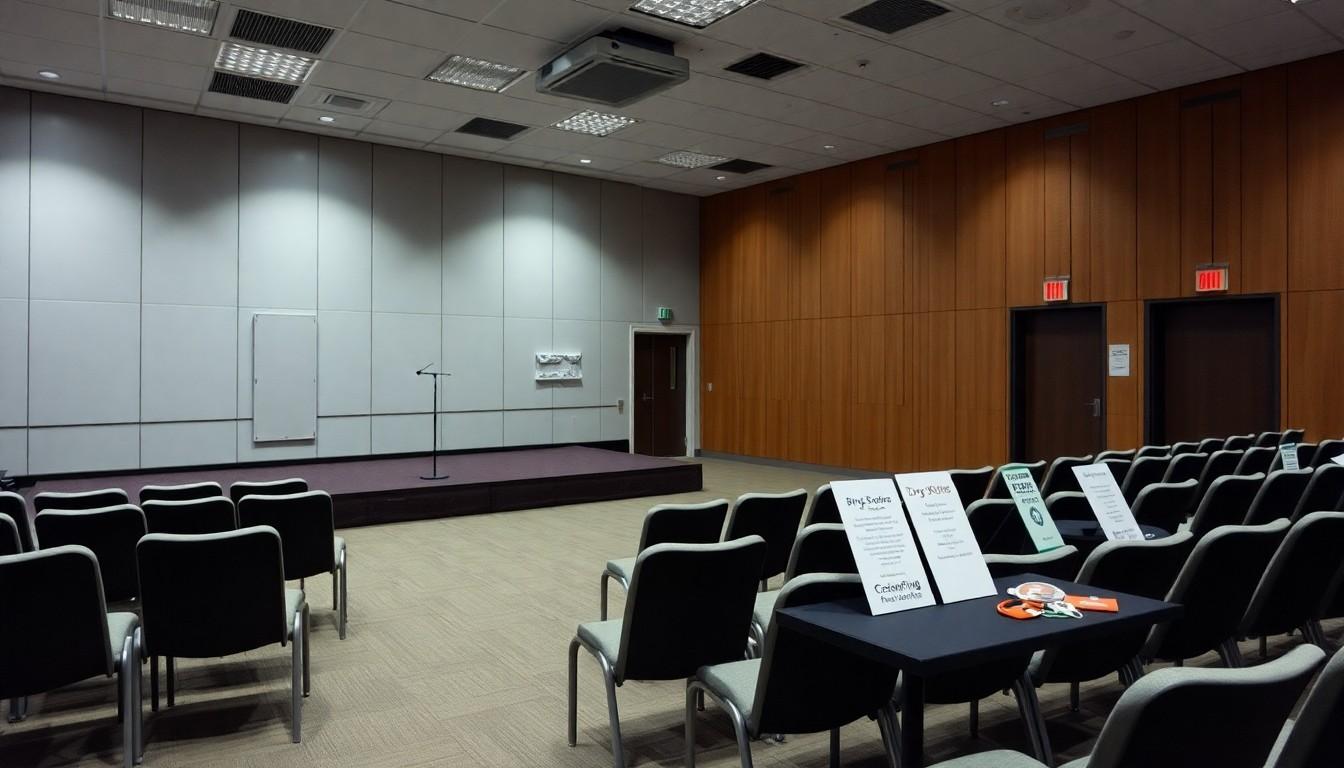
Pitzer College’s sensory-friendly drag show pairs local performers with practical adjustments designed to make the event more comfortable for attendees with sensory needs. The student alliance organised it with a campus wellness initiative, while similar university performances elsewhere have also drawn public attention. Here’s what the event offered, and how to read the discussion around it.
Essential Takeaways
- A campus collaboration: Pitzer’s Chronically Ill and Disabled Student Alliance partnered with Strive 2 Thrive on its yearly show.
- Practical adjustments: The college listed gentler lighting, lower audio volume, alternative seating, earplugs, headphones, sunglasses and fidget accessories.
- Access beyond the room: The event was also planned for livestreaming and video recording.
- A wider campus trend: Reports describe drag events at the University of Wisconsin-Madison and Florida State University, too.
- Keep claims in context: Criticism of the event is opinion; reported details about other shows and funding requests come from specific outlets and records.
Pitzer’s show puts sensory adjustments in the spotlight
Less stimulating lighting and lower audio volume are among the adjustments Pitzer College listed for its sensory-friendly drag show. The event was organised by the Chronically Ill and Disabled Student Alliance with Strive 2 Thrive, a mental health and wellness initiative, and featured local Los Angeles performers, according to the college’s event listing.
The college also advertised alternative seating, earplugs, headphones, masks, sunglasses and fidget accessories. It said the performance would be livestreamed and recorded, offering another way to follow the show for people who couldn’t attend in person.
What does “sensory-friendly” mean here?
In this case, the description points to concrete changes to the event environment, rather than a broad promise of comfort. Lower volume, gentler lighting and a request to limit strong fragrances are specific measures; alternative seating and sensory items give attendees more options once they’re there.
Pitzer’s listing also mentioned boba, including allergen-friendly options with clear labelling. That detail sits alongside the access measures, but the college’s description doesn’t establish how attendees experienced the event or whether every need could be met.
Why the debate needs careful framing
The College Fix reported criticism from Manhattan Institute investigative analyst Stu Smith, who questioned whether a drag show fits the aims of a college wellness programme. Smith also expressed scepticism about the term “sensory-friendly”, while distinguishing that concern from his view that sensory-friendly educational resources can help people who need them.
That distinction matters: a critic’s interpretation isn’t proof of the organisers’ motives, just as an event listing doesn’t establish its outcomes. The published details support a straightforward account of the accommodations on offer; broader judgements about whether the event was worthwhile remain matters of opinion.
Other universities have hosted drag events, too
The College Fix and The Madison Federalist both reported that the University of Wisconsin-Madison included a drag event in its welcome activities. The Madison Federalist described remarks at the event that it considered provocative, while Our Lives Wisconsin also covered the performance and the criticism it drew. Those are the publications’ accounts and interpretations, not independent findings about the event.
Florida State University offers another point of comparison, though the claims need separating. The College Fix reported that its Pride Student Union requested $58,850 for the academic year, including proposed spending on drag shows and a gender-affirming clothing closet. A request is not the same as approval or spending, and a separate FSU calendar listing confirms a drag show partnership without verifying those budget figures.
A useful way to assess event access
For anyone weighing up whether an event may suit them, the most helpful information is usually practical: what the organisers say about lighting, sound, seating, fragrances and available equipment. If anything important is unclear, checking directly with the organisers is a sensible next step; the published listing describes what’s planned, but can’t promise how the space will feel to every attendee.
And for readers following the wider argument, it helps to keep evidence and opinion in separate lanes. A university can document its event arrangements, a publication can report criticism, and neither alone settles whether the event meets a particular person’s idea of wellness.
A little practical detail can make an event easier to assess before you decide whether to attend.
Source Reference Map
Story idea inspired by: [1]
Sources by paragraph: