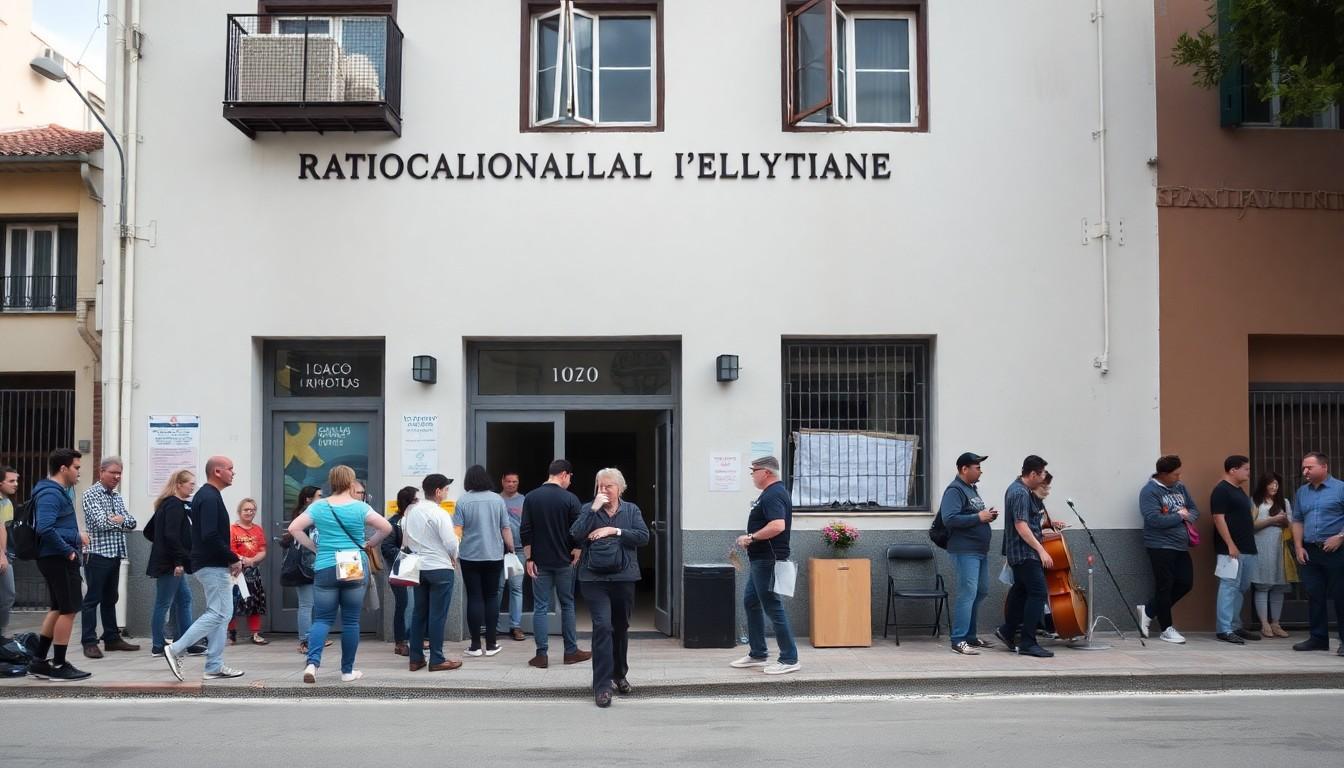
A Pride march in Neuquén will bring a fair, local performers and an evening festival together on Saturday 14 November. Organisers say the event is both a celebration and a public stand against hate and violence, with a call for families, friends and community groups to join. Here’s what’s planned and why the march matters.
Essential Takeaways
- The day starts at 3 pm: A small-business fair and performances are planned at Espacio Intercultural Graciela Alonso, in Los Arcos.
- The march is expected at about 7 pm: The procession will be followed by a Pride Festival, scheduled to run until 2 am.
- Organisers frame Pride as resistance: The event’s message is about visibility and community solidarity amid concern over violence and discriminatory rhetoric.
- It’s more than a celebration: ATTTA representative Tatiana Breve describes the march as an educational and cultural gathering as well.
- Other regional marches are planned: Villa La Angostura’s event is scheduled for 28 November, while Bariloche’s is planned for 12 December.
Neuquén Pride March: a day of colour, culture and resistance
Neuquén’s LGBTIQNB+ Pride March is set for Saturday 14 November, with an afternoon gathering before the streets fill for the procession. Organiser Juan “Pocho” says this year’s message is that pride in the streets is resistance when hate advances. It’s a clear reminder that the event carries both a festive mood and a serious purpose.
The programme is due to begin at 3 pm at Espacio Intercultural Graciela Alonso, in Los Arcos, with a small-business fair and performances by local artists. The march is expected to set off at about 7 pm, followed by the Pride Festival, which is scheduled to continue until 2 am.
Why organisers say showing up matters
According to Diario Río Negro, ATTTA representative Tatiana Breve sees the march as a way to make visible the retreat of care policies and strengthen community ties in the face of violence. She also describes it as educational and cultural, not simply a celebration. That mix gives the day room for both joyful gathering and public advocacy.
The call comes amid concern over violence against trans people, including an attack on trans sex workers in Buenos Aires’s Bosques de Palermo and the killing of Azul Semeñenko in Neuquén. Diario Río Negro reports that organisers have also raised concerns about street insults and discriminatory messages. The point, as they see it, is that words and actions cannot be neatly separated.
A practical guide to the day
If you’re planning to attend, the clearest timings are the afternoon start at 3 pm and the expected march departure at about 7 pm. The gathering point is Espacio Intercultural Graciela Alonso, in Los Arcos. As the march is expected to be followed by a festival lasting into the night, it’s worth checking for any updated event details before setting out.
The event is intended to welcome families, friends and organisations, as well as people who want to show support. The afternoon fair and local performances offer a gentler way into the day before the procession, while the festival gives the gathering a lively finish.
Pride events continue across the region
Neuquén’s march is part of a wider calendar of Pride events across Neuquén and Río Negro. Diario Río Negro lists a gathering and march in Roca on 7 November, a Villa La Angostura event on 28 November, and a joint Viedma–Patagones march on the same date. Bariloche’s 14th March of Pride of Furilofche is planned for 12 December.
For Villa La Angostura, Diario Neuquino says participants are due to meet at Plaza Pioneros at 4 pm on 28 November to prepare a float, with the march beginning at 6 pm. Each community has its own format and timetable, so it’s sensible to check local details if you’re travelling to another event.
Community is part of the message
Pride marches are visible, public events, but organisers also point to the importance of the networks around them. In Neuquén, Breve says coming together helps strengthen community ties, while the march itself can share culture and educate as well as celebrate.
That emphasis resonates with the wider local picture. Diario Río Negro has previously described Neuquén’s Casa Integral Trans as a space for support, culture and organising, where gatherings and public activities help build community. A march may last for an evening, but the relationships and visibility it supports reach beyond the route.
If you’re joining in, bring your support, check the latest timings and make space for both the celebration and its message.
Source Reference Map
Story idea inspired by: [1]
Sources by paragraph: