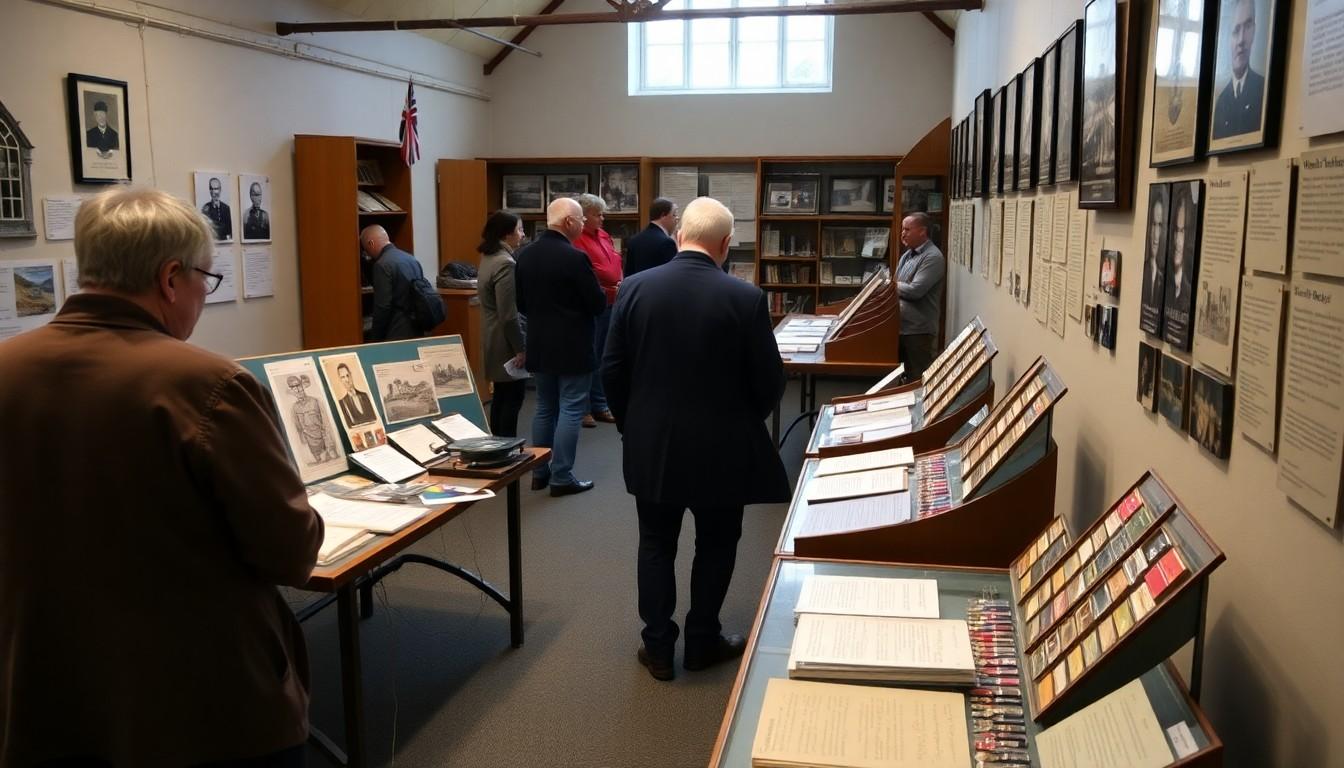
A new heritage project is gathering the experiences of LGBTQ+ veterans and serving personnel affected by the former Armed Forces ban. As applications for the UK’s LGBT Financial Recognition Scheme approach their 12 December 2026 deadline, the project aims to preserve personal histories and encourage eligible veterans to seek recognition and restorative measures.
True Colours puts veterans’ stories in focus
The True Colours project, led by Fighting With Pride, is collecting the stories of LGBTQIA+ veterans and serving personnel. Its aim is both to preserve those experiences and encourage more people affected by the former ban to apply for recognition. Plans are in place for the collected material to form a touring exhibition.
The need for that record is hard to miss. The ban prevented people from serving openly until 2000, and those affected could face dismissal, investigation, imprisonment and lost careers. The British Army has since acknowledged that the treatment of people caught up in the policy was unacceptable. [6]
The deadline matters for eligible veterans
The LGBT Financial Recognition Scheme is open to people who served in HM Armed Forces between 27 July 1967 and 11 January 2000 and were affected by the ban. The Ministry of Defence says applications must be submitted by 11.59 pm on 12 December 2026; it won’t accept them after the scheme closes. [2][3]
Eligible veterans dismissed or discharged because of the ban may receive a £50,000 payment. Those who experienced other harms, such as investigation or harassment, may also qualify for an Impact Payment of between £1,000 and £20,000, depending on the assessment. The combined total can reach £70,000. [2][3]
Recognition can go beyond a payment
Financial recognition is only one part of the scheme. Non-financial measures can include an official apology, replacement service items and a restoration ceremony. The Ministry of Defence also says applicants can give a detailed account if they don’t have supporting documents, and support is available to help people apply. [2][3]
That distinction matters: the scheme’s official language is financial recognition, rather than compensation. For eligible veterans, the process may also offer a formal acknowledgement of the harm and a chance to restore something that was taken from them. [3]
Kelly Holmes’ experience gives the history a human face
Dame Kelly Holmes is among the stories featured in True Colours. Her account describes an invasion of privacy and lasting trauma during her Army service. The British Army has also discussed her experience of serving as a gay woman while the ban was in force, when people whose sexuality was discovered could be imprisoned and discharged. [4]
Holmes has previously urged veterans to share how the policy affected them. ITV reported that she concealed her sexuality while serving because she feared being court-martialled. Her story helps show why collecting testimony matters: the effects of a policy can stay with people long after the rules change. [5]
A practical step before the scheme closes
If you think you may qualify, check the Ministry of Defence’s scheme guide for eligibility, payment types and application routes. It explains how to apply online or on paper, what information may help, and what to do if you can’t provide supporting documents. Starting with the official guidance can make the process clearer, particularly with the deadline approaching. [3]
True Colours and the recognition scheme serve different purposes: one preserves personal histories, while the other provides financial and restorative measures. Together, they bring attention to experiences that were once forced into silence, and give veterans a route to have those experiences acknowledged.
Recognition starts with being heard
For those affected, sharing a story or applying for recognition could be a meaningful step towards having the past properly acknowledged.
Source Reference Map
Story idea inspired by: [1]
Sources by paragraph: