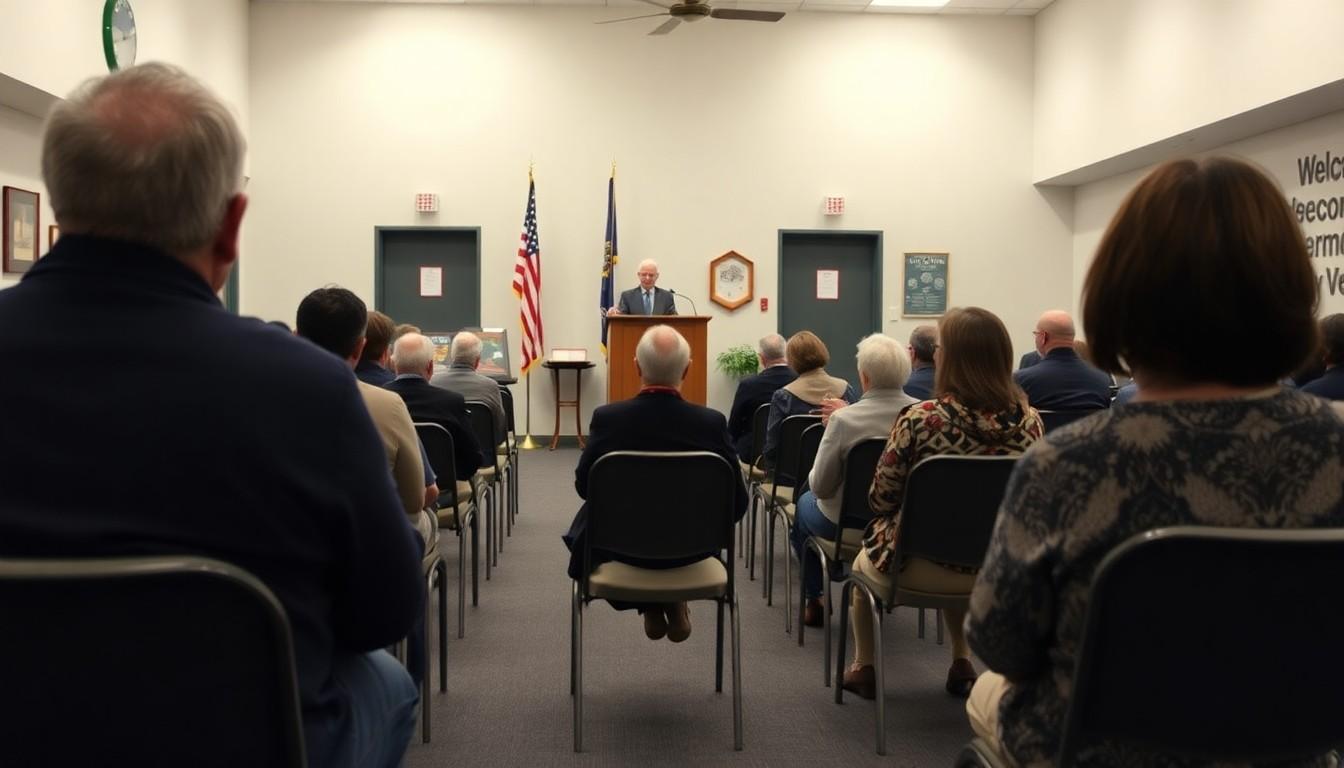
Three LGBTQ+ veterans have been recognised at Stonewall Columbus for their military service, in a ceremony honouring people who served when they could not always be open about who they were. The awards also remember advocate Donald R. Hallman, whose long campaign to overturn his dishonourable discharge gives the event a deeply personal history.
Essential Takeaways
- Three veterans honoured: The ceremony recognised three LGBTQ+ veterans for their service and sacrifice.
- A local tribute: The Donald R. Hallman LGBTQ+ Veterans Award Ceremony took place at Stonewall Columbus.
- Hallman’s legacy: The award is named for a Columbus veteran and advocate who fought to have his dishonourable discharge reversed.
- A changing military policy: “Don’t Ask, Don’t Tell” was repealed in 2011, during honouree Nick Wright’s service.
- Recognition matters: Wright described the award as a source of connection and belonging as well as acknowledgement of his military service.
Three veterans recognised in Columbus
Three LGBTQ+ veterans were honoured at Stonewall Columbus during National Veterans and Military Families Month. The ceremony recognises central Ohio veterans, while organisers say it’s the only event of its kind in Ohio.
The award ceremony carries the name of Donald R. Hallman, a Columbus Army veteran and LGBTQ+ advocate. Stonewall Columbus says the event was created to recognise veterans who served when they couldn’t be open about their identities, and later named in Hallman’s memory.
Hallman’s long fight gives the award its meaning
Hallman spent decades seeking to have his dishonourable military discharge reversed. Stonewall Columbus’s historical account says he was discharged in 1955 after suspicion that he was gay, and that a discharge-review effort helped him secure an honourable discharge in January 2016.
That history gives the ceremony more than a celebratory feel. It connects today’s recognition with the cost of being forced to hide, and with the determination to make that service visible.
Nick Wright served through a period of change
One of this year’s honourees, Nick Wright, served for 19 years in the Army National Guard. He began his military service during the “Don’t Ask, Don’t Tell” era, when openly gay and lesbian people were barred from serving.
The US Department of Defense says the policy’s repeal took effect on 20 September 2011. The US Army marked the change that day, during Wright’s service, making his recognition a reminder of how much the rules around military service shifted in his career.
Why recognition is about belonging, too
Wright said the honour meant more than recognition of his military service. He described a deep connection with others who understand both military life and being part of the LGBTQ+ community.
At the ceremony, veteran Steve Snyder-Hill reflected on the contrast between serving a country and not always receiving its support. Wright, meanwhile, said he was grateful for greater visibility and acceptance, and hoped that progress would continue.
A growing event with a community focus
Stonewall Columbus’s 2025 event announcement described a programme that included a meal, remembrance of previous honourees, a presentation on LGBTQ+ veterans throughout history and a discussion with local veterans. The ceremony’s continuing growth suggests that telling these stories remains important to the community.
For readers choosing how to mark Veterans and Military Families Month, the ceremony offers a simple reminder: honouring service also means acknowledging the conditions in which people served.
Recognition can help make belonging visible.
Source Reference Map
Story idea inspired by: [1]
Sources by paragraph: