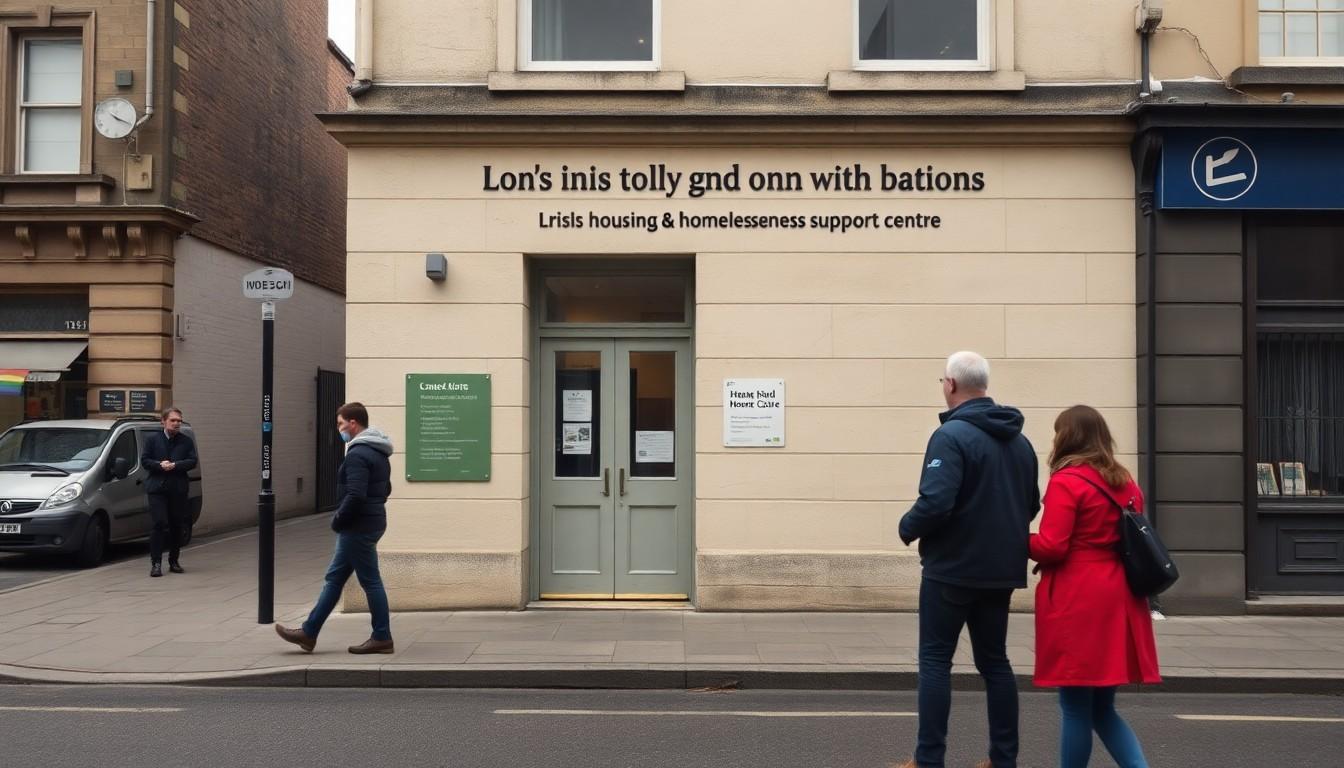
Ireland’s fourth UN human rights review has brought housing and homelessness into the same frame as LGBTQI+ equality. A coalition of 23 organisations, led by TENI, LGBT Ireland and Belong To, welcomed recommendations on intersex rights, conversion practices and hate, but says important gaps remain. The Government’s response will show whether those calls translate into action.
Essential Takeaways
- Housing is part of the rights picture: The coalition says LGBTQI+ people can face barriers to housing, work, healthcare and social protection.
- Some recommendations match its priorities: States raised intersex rights, conversion practices, hate and implementation of Ireland’s inclusion strategy.
- Practical protection matters: The coalition wants safe, suitable accommodation for LGBTQI+ people seeking international protection.
- The next step is the Government’s response: Ireland will later say which recommendations it supports and which it notes.
Housing puts wider inequalities in view
Housing and homelessness featured prominently in Ireland’s fourth Universal Periodic Review, a UN process that examines countries’ human rights records. The coalition’s message is that a shortage of secure, suitable accommodation isn’t an isolated problem: it sits alongside barriers LGBTQI+ people may face in finding work, accessing healthcare and obtaining social protection.
The coalition called for targeted, inclusive policies, better data on LGBTQI+ people’s socioeconomic circumstances and research into financial insecurity and wellbeing. It also urged safe and appropriate accommodation for LGBTQI+ people seeking international protection. The Irish Human Rights and Equality Commission’s UPR factsheet similarly identifies LGBTQI+ people among groups at risk of housing insecurity, while noting that official homelessness figures don’t capture everyone without secure housing.
States backed several LGBTQI+ rights calls
The coalition, made up of 23 LGBTQI+ organisations, welcomed recommendations that echoed priorities in its submission. Ecuador, Iceland and Malta called for safeguards against medically unnecessary interventions on intersex people without their free and informed consent. Malta also recommended legislation protecting bodily integrity and prohibiting such interventions on children.
Conversion practices were another focus: Iceland recommended a comprehensive ban, while Malta called for legislation to prohibit them. On hate, Luxembourg called for stronger implementation of the Criminal Justice (Hate Offences) Act 2024 through training, awareness-raising and data collection. Spain recommended updating the Prohibition of Incitement to Hatred Act 1989, while other States called for stronger responses to hate speech and hate-motivated crimes.
The challenge is turning promises into practice
The coalition particularly welcomed the Netherlands’ call for a comprehensive Action Plan Against Hate, developed with affected LGBTIQ+ communities and reaching beyond criminal law to address the roots of hate. Denmark, meanwhile, called for full implementation and ongoing monitoring of Ireland’s National LGBTIQ+ Inclusion Strategy.
That emphasis on delivery runs through the coalition’s earlier UPR advocacy, too. Its presentation and pre-session statement describe concerns about gaps between policy and practice, including the need for better implementation, resources, monitoring and accountability. In plain terms, a strategy only matters if people can see its effects in everyday life.
What happens next for Ireland?
Ireland will formally indicate later in the UPR process which recommendations it supports and which it notes. UPR Info’s timeline distinguishes the review from this later response, so the recommendations don’t, by themselves, amount to a completed Government commitment.
For readers following the issue, the key test is whether support is matched by practical measures: inclusive housing responses, protection of intersex bodily integrity, action on conversion practices and hate, and proper monitoring of the inclusion strategy. The coalition is urging the Government to support the recommendations and implement them in full.
The review has put both rights and housing on the table; the next step is making the response count.
Source Reference Map
Story idea inspired by: [1]
Sources by paragraph: