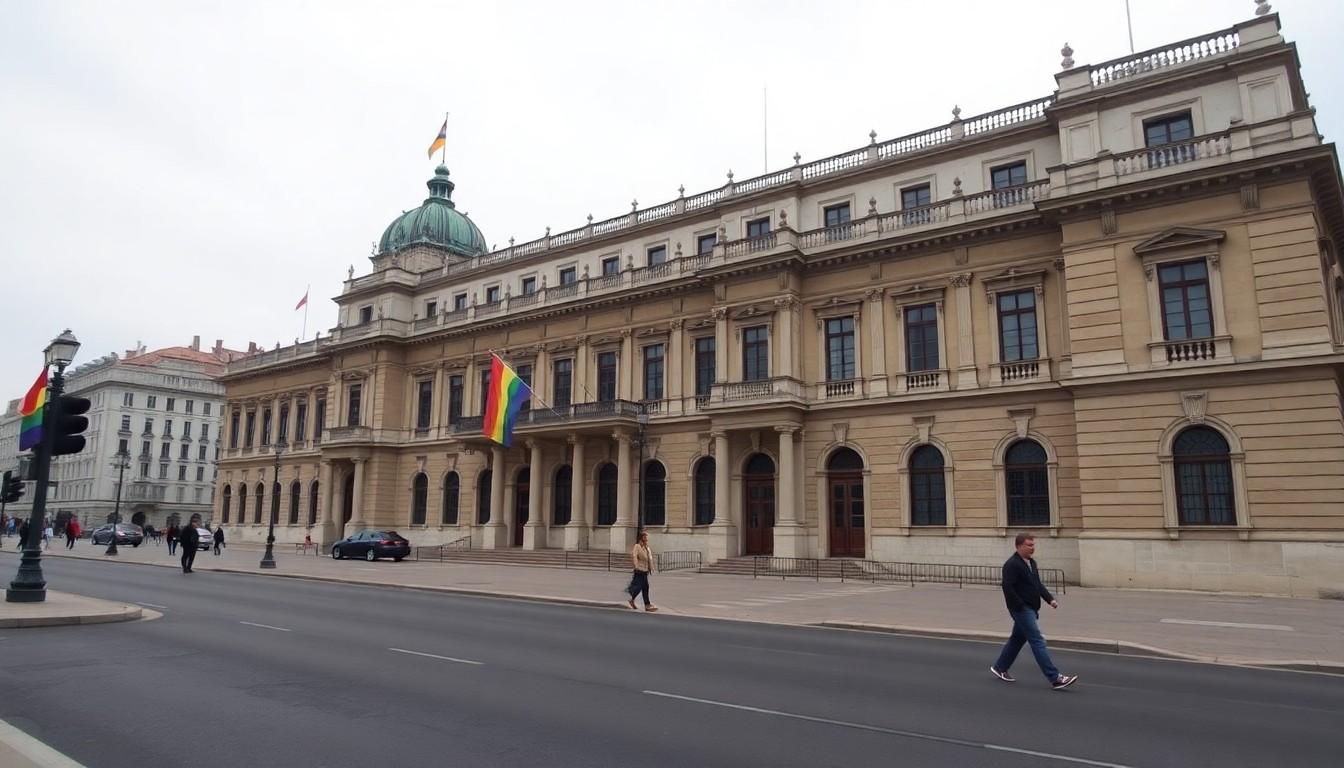
Human Rights Watch has urged Portugal’s Parliament to reject proposals on gender self-determination from the PSD, Chega and CDS-PP. The intervention follows an earlier appeal from the United Nations and raises a wider question: could the proposed changes weaken protections for transgender and intersex people under Portugal’s current legal framework?
A warning about more than a technical change
Human Rights Watch says the proposed bills could mark a significant setback for transgender and intersex people in Portugal and put important existing legal safeguards at risk. Its appeal gives the parliamentary debate a clear human-rights dimension: this isn’t simply a question of revising legislation, but of what protections might be lost.
The organisation has written to Parliament asking lawmakers to reject the initiatives put forward by the PSD, Chega and CDS-PP. Público reported that HRW’s concern centres on the potential consequences for rights already recognised in the national legal framework. [2]
The UN had already raised concerns
HRW’s intervention follows an earlier appeal from the United Nations High Commissioner for Human Rights. RTP reported that the UN urged the parties to withdraw their proposals, warning they could affect rights established in treaties ratified by Portugal and conflict with recommendations from UN human-rights bodies. [3]
The UN also called for transparent and inclusive consultation if the bills were not withdrawn, and for any revised proposals to meet international standards. Euronews reported that the debate includes questions about medical requirements for legal gender recognition and proposed restrictions on treatment for under-18s. [4]
What the proposals could change
The bills concern gender self-determination and changes to a person’s name and gender marker in the civil register. Euronews described the law then in force as allowing adults to make those changes without a medical document, while people aged 16 to 18 needed parental authorisation and a report showing an informed decision. [4]
The proposals have also drawn objections from European LGBTI organisations. In a joint statement, the groups warned that the package could bring back medical gatekeeping, limit recognition for young people and restrict gender-affirming healthcare for minors. Those are the signatories’ concerns, rather than an independent assessment of what the bills would ultimately do. [5]
Parliament’s next step matters
The proposals have been part of an ongoing parliamentary process. Parliament announced public hearings in September 2026, with panels involving legal and health professionals, youth and diversity associations, LGBTQI+ rights groups and organisations focused on children’s rights. [7]
A parliamentary voting record also shows that a Chega initiative on changing sex and first name in the civil register was approved in a general vote on 20 March 2026, before detailed committee consideration. That record concerns the Chega bill specifically, not every proposal in the package. [6]
A debate about safeguards and who gets heard
The case for taking the debate seriously is plain: the proposals concern legal recognition, personal autonomy and protections for young people. But the finer details matter too, particularly as the bills move through scrutiny and Parliament hears from different groups.
For readers following the issue, it helps to distinguish between the interventions. HRW is calling for rejection; the UN previously urged withdrawal or revision after inclusive consultation; and European LGBTI organisations have set out their own concerns about the possible effects. These are related voices in the debate, but they are not the same source or the same assessment. [2][3][4][5]
Portugal’s Parliament now faces a question with real consequences for the people most directly affected: what safeguards should remain in place?
Source Reference Map
Story idea inspired by: [1]
Sources by paragraph: