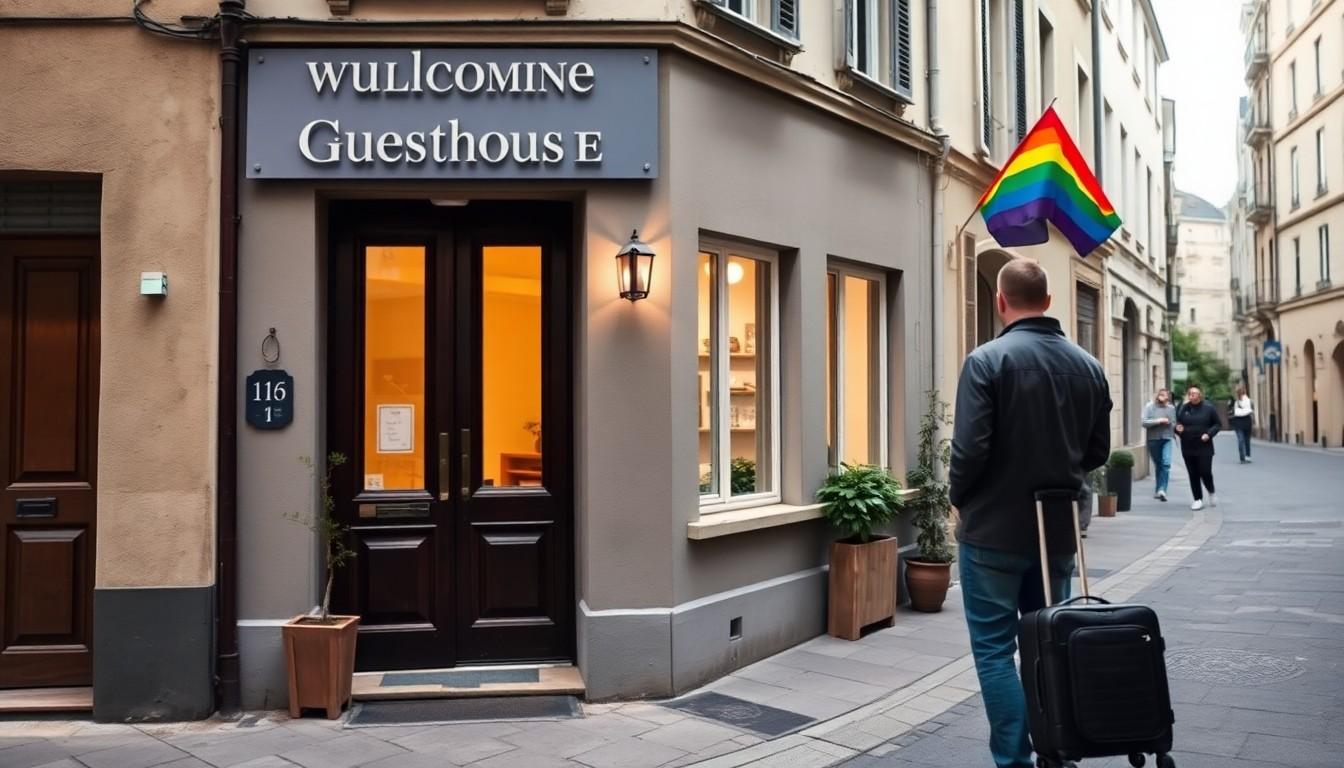
Homestays can bring you closer to local life, but staying in someone else’s home calls for a little more preparation if you’re LGBTQ+. Before booking, check the host’s approach to LGBTQ+ guests, who else shares the space, and what the house rules allow. A few clear questions can help you find a welcoming stay and avoid awkward surprises.
Essential Takeaways
- Ask before you book: Get a clear answer about whether the host is comfortable welcoming LGBTQ+ guests.
- Check the shared spaces: Find out who else lives or stays there, what privacy you’ll have, and whether visitors are allowed.
- Read beyond the rating: Look for patterns in recent reviews, and treat identity verification as one check, not a guarantee.
- Keep Airbnb bookings on Airbnb: Requests to move messages or payments elsewhere can mean losing platform protections.
- Check the destination, too: Laws and social attitudes vary, so review current travel advice before you go.
A homestay is personal in a way a hotel isn’t
A homestay can offer something a hotel room can’t: a local perspective, a shared kitchen, perhaps even company after a day exploring. But that closeness cuts both ways. You’re a guest in someone’s home, where one person’s expectations and house rules can shape your whole stay.
That makes LGBTQ+ acceptance more than a nice detail. Ask directly whether the host is comfortable welcoming LGBTQ+ guests, and be clear about who’ll be travelling with you. A warm, straightforward response is reassuring; a vague answer gives you reason to pause.
On Airbnb, hosts aren’t allowed to refuse guests because of sexual orientation or gender identity, according to the platform’s non-discrimination policy. There’s a limited exception for homes where hosts share common areas with guests: they may offer the accommodation only to guests of their own gender. That’s a different rule from refusing someone because they’re gay, lesbian, bisexual or transgender.
Ask who else will be there, and what you can use
The host isn’t necessarily the only person you’ll encounter. Ask whether flatmates, family members or other guests will be in the home, and how many people may be staying at once. It’s also worth checking whether your bedroom and bathroom are private, whether the bedroom door locks, and whether you’ll have your own key.
Then clarify the practical boundaries: what parts of the home can you use, are there times you’re expected back, and can you invite friends over? There’s no universal right answer. A host may have a no-visitors rule, but knowing that before you book helps you decide whether the place suits you.
Read the house rules before arrival, too. If visitors aren’t allowed, don’t assume you can negotiate an exception once you’re there. Clear expectations are less exciting than a spontaneous plan, but they can save an uncomfortable conversation.
Reviews help, but no badge tells the whole story
Look for recurring themes in reviews rather than letting one complaint define a listing. Recent comments may be more useful than older ones, and a host’s response to criticism can offer a sense of how they handle problems.
Airbnb says identity verification is intended to support trust, but it doesn’t guarantee that someone is who they claim to be. So treat a verification badge as one piece of information, not a character reference. Listing details, recent reviews and the host’s answers to your questions matter as well.
Be wary if an Airbnb host asks you to move the booking conversation off the platform or pay by bank transfer. Airbnb advises guests to keep booking communications and payments on its service; paying elsewhere can mean losing protections, and bank transfers may be a sign of fraud.
Check the listing for privacy and security details
Before booking, ask whether there are cameras or other security devices, and check what the listing discloses. Airbnb prohibits cameras or recording devices that monitor indoor spaces, including shared indoor areas, even if a device is switched off or disclosed. Its updated rules took effect on 30 April 2024; outdoor cameras may be allowed under platform requirements.
These rules apply to Airbnb, not necessarily to every accommodation service or destination. If something in a listing seems inconsistent with the platform’s policy, ask the host for clarification and contact the service if you remain concerned. It’s a simple check that can make a private stay feel more predictable.
Your destination matters as much as your room
Before travelling, check both the law and the social conditions where you’re going. ILGA World’s database distinguishes between jurisdictions where consensual same-sex sexual acts are criminalised by law, criminalised in practice, or not criminalised. But legal status alone doesn’t tell you whether a place is socially accepting or safe.
The UK Foreign, Commonwealth and Development Office advises travellers to read destination-specific guidance. It notes that attitudes can vary even where same-sex activity is legal, and warns that LGBT+ people have been targeted through dating apps in some countries. Be cautious about inviting someone you’ve only just met into a private home, and don’t take a convincing profile as proof of trustworthiness.
If a homestay doesn’t feel right, consider a private apartment, bed and breakfast, hostel or hotel instead. The best accommodation isn’t necessarily the most sociable or the cheapest. It’s the one where you understand the arrangements and can relax enough to enjoy the trip.
Ask the questions early, trust your judgement, and choose the stay that lets you feel at ease.
Source Reference Map
Story idea inspired by: [1]
Sources by paragraph:
- Paragraph 1: Lead article only
- Paragraph 2: Lead article only
- Paragraph 3: [2]
- Paragraph 4: Lead article only
- Paragraph 5: Lead article only
- Paragraph 6: Lead article only
- Paragraph 7: [4]
- Paragraph 8: [5]
- Paragraph 9: [3]
- Paragraph 10: [3]
- Paragraph 11: [7]
- Paragraph 12: [6]
- Paragraph 13: Lead article only