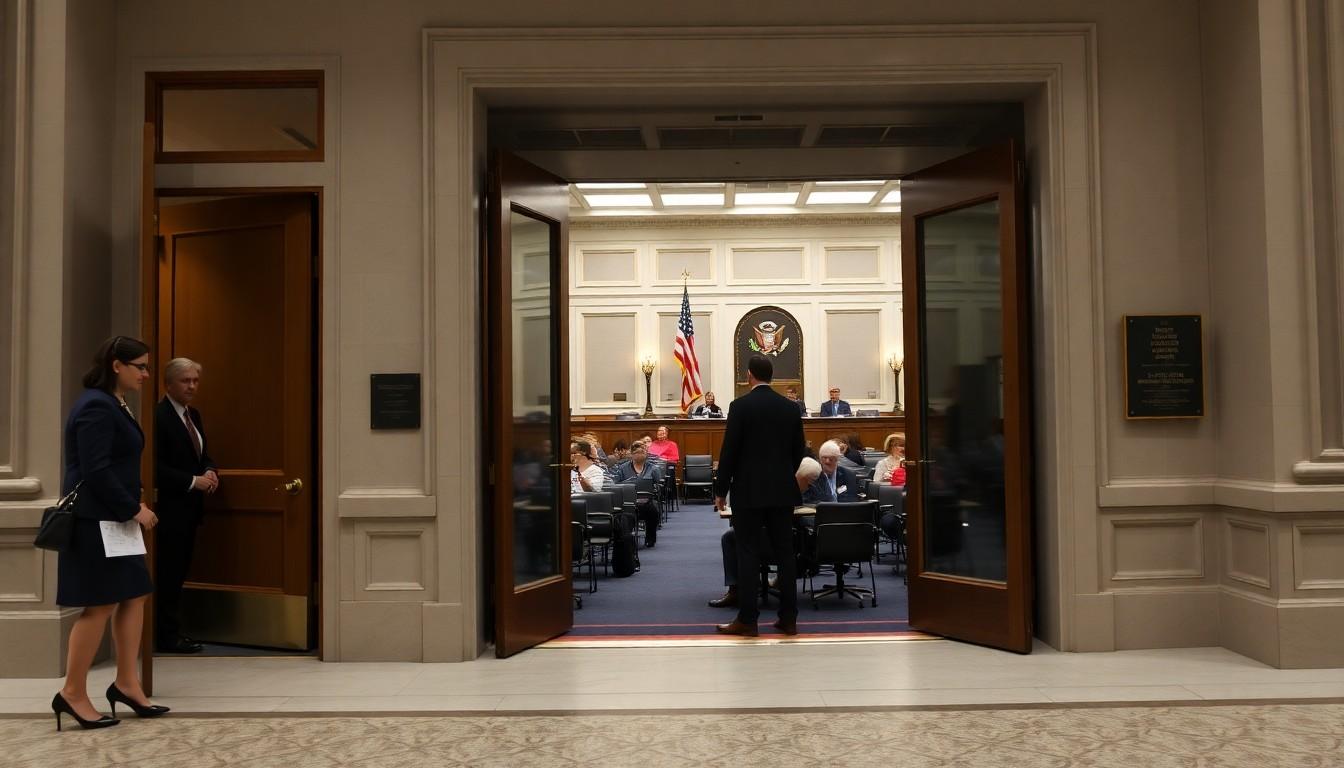
A Senate hearing has put Cissie Graham Lynch’s nomination as US ambassador-at-large for international religious freedom under scrutiny. She told lawmakers she would protect people of all faiths, while questions from Senator Tim Kaine tested how that promise sits alongside her past criticism of LGBTQ non-discrimination laws. Her testimony also drew on years of humanitarian work and encounters with people facing persecution.
A promise tested in the Senate
Lynch told the Senate Foreign Relations Committee she would protect people of all faiths if confirmed. The pledge came as Senator Tim Kaine pressed her on how she would defend LGBTQ people from persecution, making the hearing about both her proposed role and the boundaries of religious freedom.
The Christian Post reported that Lynch said she would not support laws that criminalise people because of their sexual identity or preference. She also pointed to the need for common ground, arguing that people with different beliefs can work together on religious freedom.
Stories behind the statistics
Lynch grounded her case in encounters from her humanitarian and ministry work. She described meeting mothers whose children had been killed, pastors rebuilding after churches were burned, and families forced from their homes because of their beliefs.
She also recalled visits to mass graveyards in northern Iraq and conversations with displaced women in Sudan. The Christian Post reported that she described those affected not as statistics but as people with faces, names and families. It’s a powerful way to frame a diplomatic brief: behind every policy debate are lives disrupted by violence and fear.
Why Kaine raised LGBTQ protections
Kaine challenged Lynch over her previous concerns that LGBTQ protection laws could endanger Christian religious freedom. In response, she referred to laws barring discrimination on grounds of sexual orientation and gender identity, and cited the case of Christian baker Jack Phillips as an example of the tensions she had in mind.
But the exchange also exposed a central question for the role: how would an ambassador defend religious liberty while ensuring that people of different identities and beliefs are protected from persecution? Lynch said she would not support criminalising people for their sexual identity or preference, while stressing that her responsibility would extend to people of all faiths.
The nomination and the job ahead
Lynch was nominated for the ambassador-at-large post, which advises the president and secretary of state on religious freedom abroad. The Senate’s nominations record lists Jane Lynch, of North Carolina, for the position, while the Senate Foreign Relations Committee’s hearing materials identify Cissie Graham Lynch among the nominees considered on 10 November 2026.
Her background includes work with Samaritan’s Purse and the Billy Graham Evangelistic Association. The Salt Lake Tribune, reporting on the nomination before the hearing, described her roles with both organisations and noted that the appointment requires Senate approval. The committee hearing was one step in that process; it was not a confirmation decision.
A difficult brief, and room for common ground
The post’s challenge is to address persecution across faiths and countries, while navigating disagreements over how religious freedom interacts with other protections. Lynch told the committee that people who don’t share the same beliefs can still work together. That idea may sound straightforward, but the hearing showed why putting it into practice can be difficult.
The nomination still had to proceed through the Senate confirmation process. For now, the clearest measure of Lynch’s proposed approach is her stated commitment to protecting people of all faiths, alongside her insistence that criminalising people for their sexual identity is unacceptable.
Religious freedom is a broad promise; the hearing showed how much depends on applying it equally.
Source Reference Map
Story idea inspired by: [1]
Sources by paragraph: