Carla Antonelli’s path from the Madrid Assembly to Spain’s Senate has made her a prominent voice for trans rights. A longtime activist and former actress, she has spoken forcefully against efforts to roll back protections, while her recent remarks about visibility and political representation offer a striking perspective on what progress means - and why it still needs defending.
From Madrid’s Assembly to Spain’s Senate
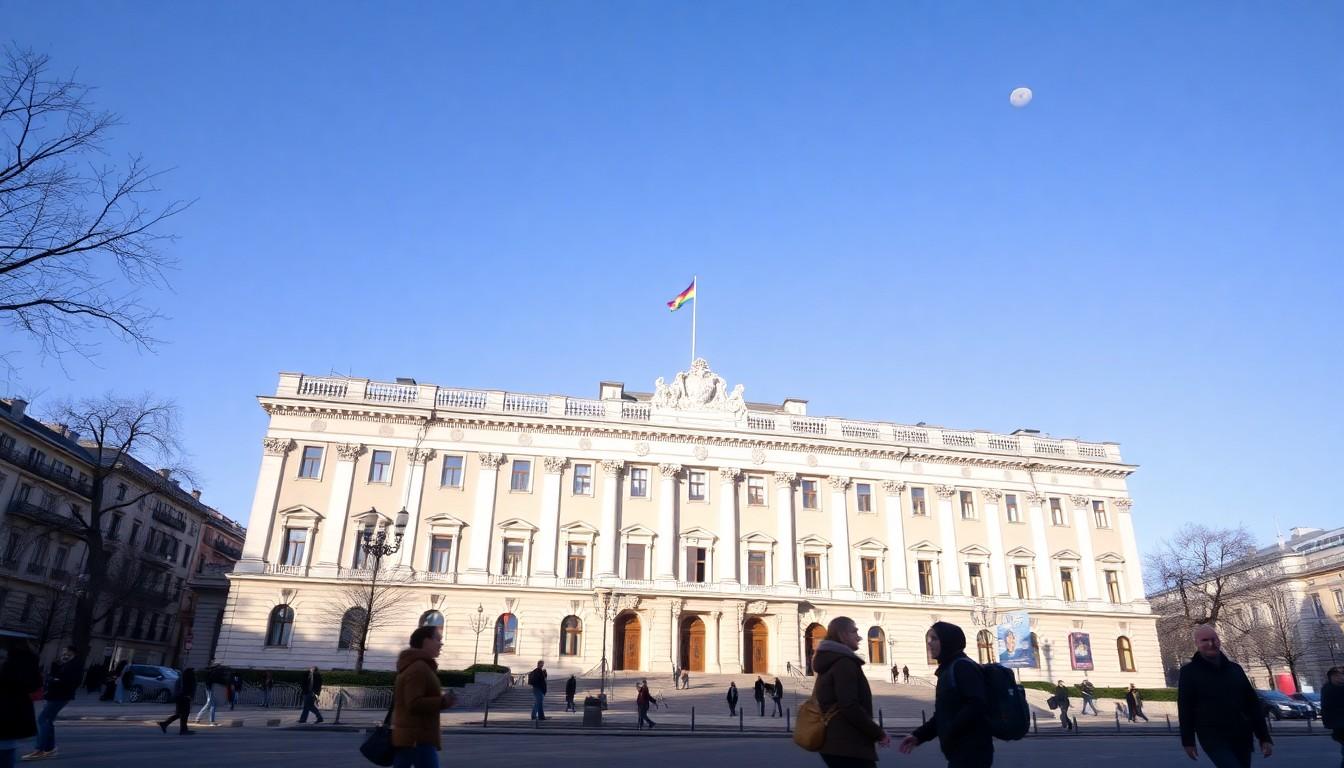
Carla Antonelli’s political career has broken new ground. In 2011, she became the first trans woman elected to a regional legislative office in Spain, winning a seat in the Madrid Assembly. More than a decade later, she became the first openly trans woman in the Spanish Senate.
El País reported that Más Madrid selected Antonelli in June 2023 to replace Pablo Gómez Perpinyà. Her arrival in the chamber followed her departure from the Spanish Socialist Workers’ Party in 2022, amid disagreements over trans-rights policy.
That shift from regional politics to the Senate is more than a change of address. It puts a longtime advocate for LGBTQ+ rights in a national institution, where she can bring those concerns directly into political debate.
A long road through activism and public life
Antonelli’s public career spans activism, acting and elected office. Newtral describes her as a longtime campaigner for LGBTQ+ equality, and notes that she became Spain’s first trans woman parliamentarian when she entered the Madrid Assembly in 2011.
Her route into politics wasn’t smooth. Antonelli has described leaving her hometown in 1977 because of transphobia and turning to sex work to support herself. That same year, she joined a campaign against a law that criminalised consensual same-sex sexual acts and LGBTQ+ people.
She later became a well-known actress and worked as a spokesperson for a Spanish LGBTQ+ advocacy organisation. The through-line is clear: public visibility has been part of her work long before she took a seat in parliament.
Why her message about visibility resonates
In a February 2025 speech in Madrid, Antonelli argued against returning trans people to the margins. Outright International included remarks from that address in its report on attacks on trans, non-binary and intersex people’s human rights.
The speech connected visibility with dignity and participation in public life. That idea has particular force coming from someone whose own career has taken her from activism to regional and national office.
And the argument isn’t only about political titles. When people who have been pushed aside are visible in public institutions, the debate changes: their presence becomes part of the everyday picture of who can represent a community.
Travel worries reflect a wider policy climate
Antonelli told the Washington Blade that US policy changes left her wondering whether she would be allowed into the country as a trans woman. Her concern came against a backdrop of changes to federal policy on gender markers and official recognition.
Associated Press reported that Denmark advised trans travellers with an X marker on their passports, or those whose gender had changed, to contact the US Embassy before travelling. The guidance followed US policy changes under President Donald Trump and reflected wider uncertainty about how travellers’ documents might be treated.
That context helps explain why an international visit can carry extra anxiety for some trans people. Practical tip: if you’re planning travel and your documents don’t align with the rules of your destination, check current official guidance before booking and contact the relevant embassy where advised.
Representation comes with responsibility
Antonelli has also offered direct advice to trans people considering public office: be open about who you are, and don’t lose sight of where you came from. She has said that, whatever her responsibilities in politics, she won’t abandon her trans sisters or the wider LGBTQ+ community.
There’s a grounded honesty in that message. Political progress can be measured in firsts, but Antonelli’s story also points to the people and experiences that those milestones represent.
Her career is a reminder that visibility isn’t just about being seen. It’s also about having a voice where decisions are made.
It’s a powerful journey - and a reminder that representation matters most when it stays connected to the people it serves.
Source Reference Map
Story idea inspired by: [1]
Sources by paragraph:
- Paragraph 1: [3], [4]
- Paragraph 2: [3]
- Paragraph 3: [3], [4]
- Paragraph 4: [4]
- Paragraph 5: Lead article only
- Paragraph 6: [4]
- Paragraph 7: [5]
- Paragraph 8: [5]
- Paragraph 9: [5]
- Paragraph 10: Lead article only
- Paragraph 11: [6]
- Paragraph 12: [6]
- Paragraph 13: [6]
- Paragraph 14: Lead article only
- Paragraph 15: Lead article only
- Paragraph 16: Lead article only
- Paragraph 17: Lead article only
- Paragraph 18: Lead article only