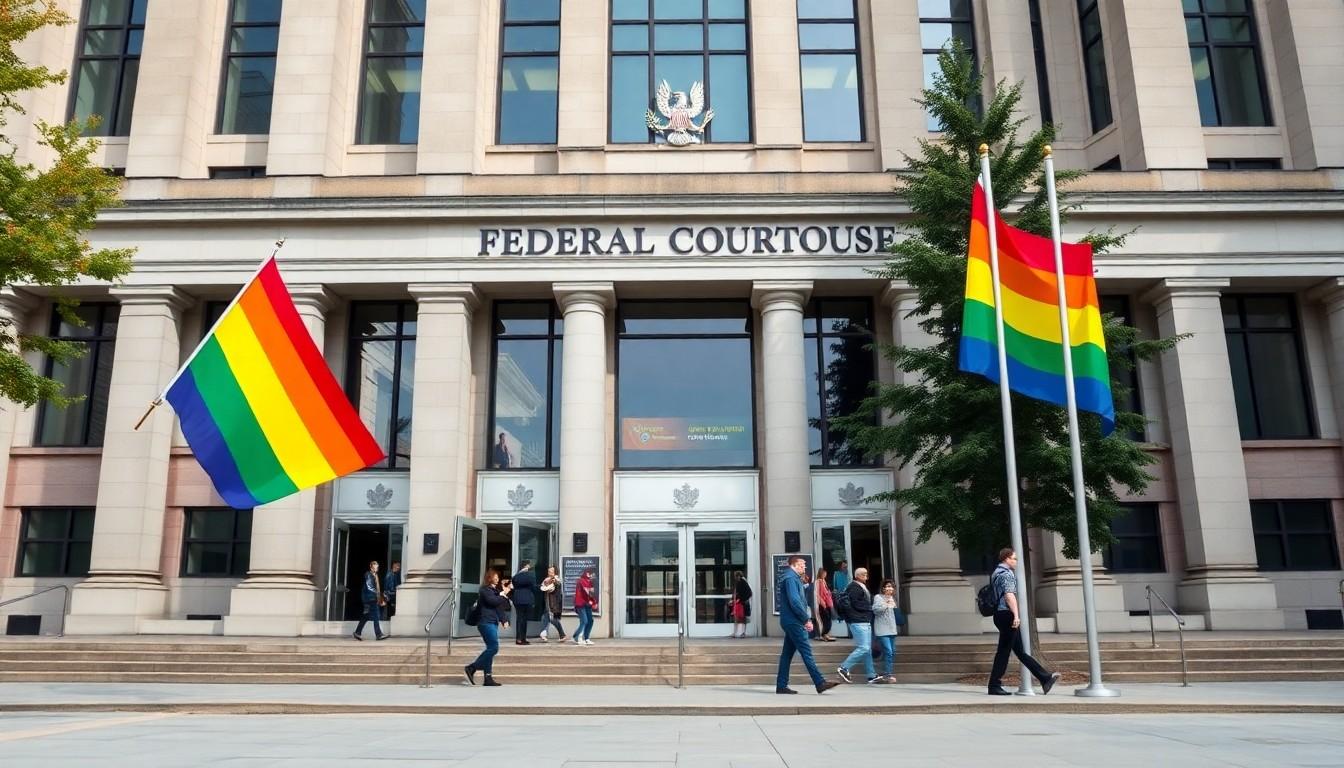
A Federal Court challenge is putting Canada’s Safe Third Country Agreement under renewed scrutiny, with churches and refugee-rights groups arguing that returning some asylum seekers to the United States risks breaching their equality rights. The case revisits a question left open by the Supreme Court in 2023, and could shape how Canada treats people seeking protection at its border.
Essential Takeaways
- The agreement’s basic rule: Canada and the United States signed the Safe Third Country Agreement in 2002; it came into force in 2004.
- The challenge: The applicants argue that returning racialized women, children and LGBTQI+ people to the US can expose them to harm and breach section 15 of the Charter.
- What the Supreme Court decided: In 2023, it rejected a section 7 challenge but sent the separate equality question back to the Federal Court.
- A longer history: The Canadian Council of Churches has supported refugee rights for decades, including as an intervenor in the 1985 Singh case.
The court challenge turns on who is safest
Canada’s Safe Third Country Agreement rests on a straightforward premise: people seeking refugee protection should generally make their claim in the first of Canada or the United States they reach. But for the applicants in this Federal Court challenge, that rule can have very different consequences for people with particular vulnerabilities.
Amnesty International Canada, the Canadian Council for Refugees, the Canadian Council of Churches and former refugee claimants argue that returning racialized women, children and LGBTQI+ people to the US can put them at risk and violate the Charter’s equality guarantee. Amnesty International Canada’s Ketty Nivyabandi has criticised sending vulnerable asylum seekers back into the US immigration system.
The case is about more than where a claim gets heard. It asks whether the agreement’s broad assumption of safety adequately accounts for how different groups may be treated.
A 2023 ruling left equality rights open
The Supreme Court of Canada considered an earlier challenge to the agreement in 2023. It ruled that the US designation did not itself breach section 7 of the Charter, reasoning that Canadian law includes “safety valves” that can prevent a return where a person’s liberty or security would be at risk.
But the Court did not decide the section 15 equality claim. It sent that question back to the Federal Court, saying the record before it was insufficient to resolve a complex and serious issue. That is the opening for the current challenge.
There’s also a separate legal dispute over whether those safeguards are accessible in practice. Amnesty International Canada and the Canadian Council for Refugees have argued in another case that the protections may not be available to asylum seekers as intended.
What the border rule means in practice
Under the agreement, people seeking refugee protection generally have to claim asylum in the first country they reach, unless they qualify for an exception. Those who don’t qualify may be returned to the United States. The Canadian government says the agreement applies at specified crossings and lists exceptions, including for some family relationships and unaccompanied minors.
The agreement came into force in December 2004 and was expanded across the entire land border, including internal waterways, in March 2023. Those details matter: the rule is not simply a general declaration that the US is safe, but a system governing where certain claims can be made and when exceptions may apply.
For anyone trying to understand the dispute, it helps to separate the agreement’s general rule from the question now before the court: whether its effects on particular groups meet the Charter’s equality protections.
The churches’ role has deep roots
The Canadian Council of Churches’ involvement isn’t a new turn for the organisation. Its General Secretary, Janet Anstead, has linked the challenge to a long tradition of supporting displaced people, including refugee sponsorship by member churches after the Second World War.
The council also intervened in the landmark 1985 Singh case. The Supreme Court held that the Charter applies to people physically present in Canada, including refugee claimants, and affirmed their right to fundamental justice. The ruling established an important procedural safeguard: claimants must have an adequate opportunity to present their cases.
That history gives the current challenge a wider frame. The legal arguments are specific, but the underlying concern is familiar: whether people seeking protection are treated with dignity and given a fair chance to be heard.
The next question is how equality is assessed
The Supreme Court’s 2023 decision did not settle whether the agreement breaches section 15. Instead, it left that question for the Federal Court to examine, with a fuller factual record.
That distinction is easy to miss, but it matters. The ruling on section 7 upheld the designation itself while recognising the role of legal safeguards; the equality claim remains unresolved. Meanwhile, a separate case is testing whether those safeguards work in practice for people who may face risks if returned.
For readers following Canada’s refugee policy, the challenge is a reminder that a border rule can look consistent on paper while its consequences raise harder questions about fairness. The court’s consideration of the equality claim will help clarify those questions.
The agreement’s central test is whether its rules protect people fairly, not just neatly.
Source Reference Map
Story idea inspired by: [1]
Sources by paragraph: