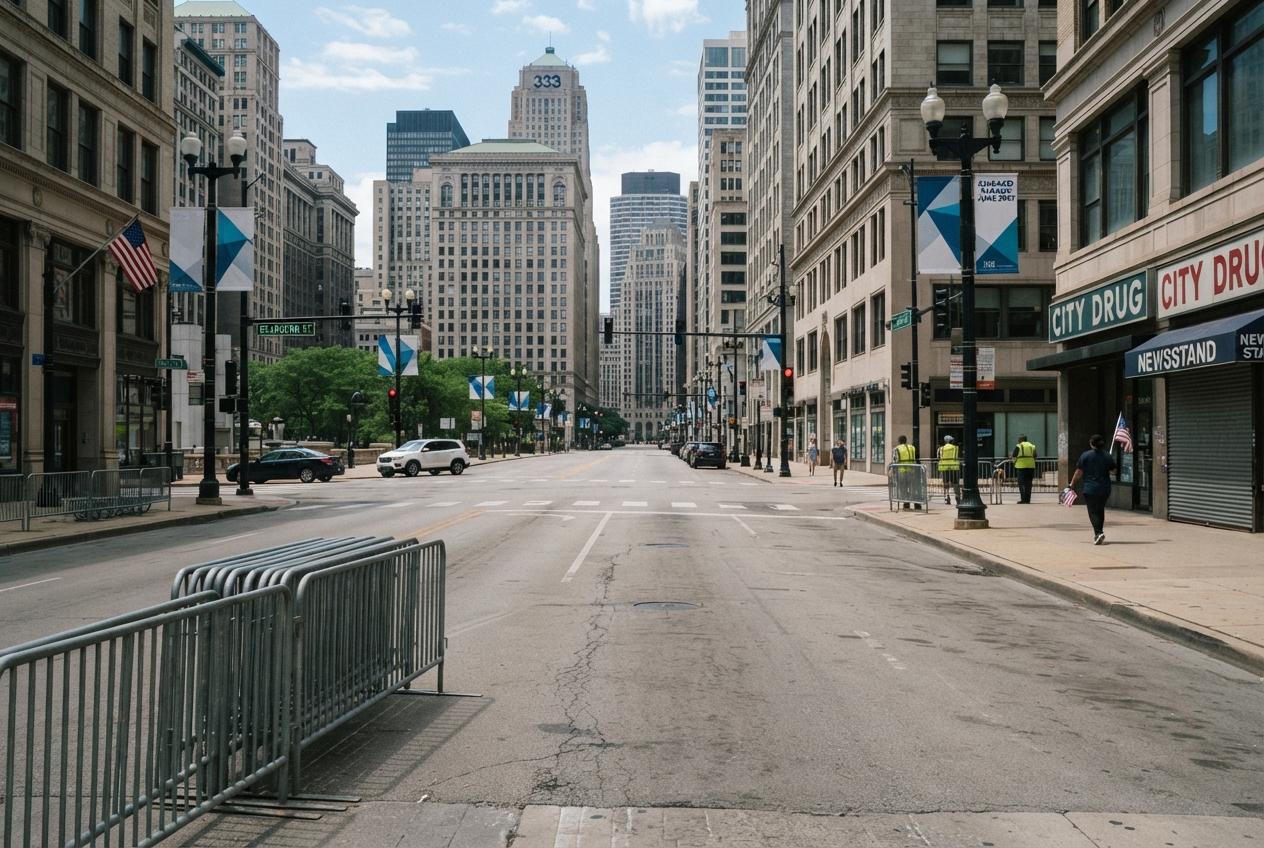
Mark your calendar: Pride Month in the United States runs from 1 to 30 June 2027, but local parades have their own dates. The month honours the Stonewall Uprising in New York, while Chicago has already scheduled its 2027 parade for 27 June. Here’s the history behind the dates, plus a quick guide to planning around local events.
Essential Takeaways
- Pride Month dates: In the United States, Pride Month runs from 1 to 30 June every year. In 2027, it starts on a Tuesday and ends on a Wednesday.
- Why June: The month commemorates the Stonewall Uprising, which began in Manhattan on 28 June 1969.
- Chicago parade: PRIDEChicago lists its 2027 parade for Sunday, 27 June, at 11 a.m.
- A local date isn’t the whole month: Each city organises its own events, so check the local organiser for the latest schedule.
- Not a federal holiday: Pride Month is an observance, while Juneteenth is a federal holiday. In 2027, Juneteenth will be observed on Friday, 18 June, for most federal employees.
Pride Month runs throughout June, but parade dates vary
Pride Month 2027 begins on Tuesday, 1 June, and finishes on Wednesday, 30 June. That gives the observance a full month on the calendar, but it doesn’t mean every city’s parade happens on the same day.
Chicago’s 57th Annual Pride Parade is scheduled for Sunday, 27 June, at 11 a.m., according to PRIDEChicago. The organiser describes the parade as the culmination of the city’s month-long Pride celebrations, with a history rooted in protest as well as public celebration.
So, if you’re planning a trip, treat the month and the parade as separate dates. Check the local Pride organiser’s official information before making plans, as event schedules can change. (Source: Pride Month dates and parade schedule [5])
Why Pride Month is in June
The June date looks back to the Stonewall Uprising, which began in the early hours of 28 June 1969, when police arrived at the Stonewall Inn in Manhattan. The events that followed lasted for six days and became a turning point for LGBTQ+ activism in the United States, the Library of Congress says.
Stonewall wasn’t the first raid on a gay bar or the first time LGBTQ+ people resisted police. But it became a defining moment, and its anniversary gave communities a reason to gather and remember. (Sources: Stonewall background [2][3])
The Library of Congress traces the observance to the anniversary of Stonewall, noting that the final Sunday in June was initially marked as Gay Pride Day. In major cities, a single day grew into a month of parades, picnics, workshops, concerts and other events. The month also recognises LGBTQ+ people’s historical and contemporary contributions. (Source: How Pride Month developed [2])
Pride’s story began before Stonewall
The years before the uprising help explain the difficult conditions LGBTQ+ people faced. In 1966, Mattachine Society activists Dick Leitsch, Craig Rodwell and John Timmons staged a “sip-in” at Julius’ Bar in New York: they said they were gay and asked to be served. The bartender covered their glasses and refused, giving the activists an incident they could challenge publicly. (Source: The Julius’ Bar sip-in [4])
A 1967 court ruling meant gay patrons could legally drink in bars, but getting a liquor licence for an openly gay venue remained difficult. The National Park Service says that helps explain why Mafia-owned establishments, including the Stonewall Inn, were still operating in 1969. The uprising didn’t appear out of nowhere; resistance and organising were already under way. (Source: Bar licensing and the sip-in’s legacy [4])
The first Pride marches turned remembrance into action
New York’s first Pride march took place on 28 June 1970, the first anniversary of Stonewall. Organisers formed the Christopher Street Liberation Day Committee and planned a march at the end of Gay Pride Week, creating an opportunity for the community to gather, according to the Library of Congress. (Sources: First march and organising [2][3])
Chicago’s first march also took place in 1970, as a protest rather than simply a party, PRIDEChicago says. That thread of activism still runs through today’s celebrations: Pride can be festive, but its history is tied to people demanding visibility and change. (Source: Chicago Pride’s history [5])
The rainbow flag came later
Pride’s familiar colours weren’t part of the 1969 Stonewall story. Gilbert Baker designed the rainbow flag for San Francisco’s 1978 Gay Freedom Day parade, at Harvey Milk’s urging. Baker and volunteers dyed fabric by hand and stitched the strips together to make two large flags. (Source: The National Archives’ account of the rainbow flag [6])
The design changed as it was produced more widely: some stripes were removed or altered, and the familiar six-stripe version became widely used. It’s a useful reminder that Pride symbols have their own histories, shaped by artists, activists and practical choices as well as by major events. (Source: The National Archives’ account of changes to the flag [6])
Pride Month isn’t a federal holiday
Pride Month is an observance, not a federal holiday, so it doesn’t automatically mean government offices or banks close. Juneteenth is a federal holiday, and in 2027, 19 June falls on a Saturday. The Office of Personnel Management lists Friday, 18 June, as the observed date for most federal employees. (Source: Federal holiday schedule [7])
That distinction doesn’t change when Pride Month takes place. The dates remain 1 to 30 June, while local organisers decide when to hold their own events. For a smoother visit, check the city’s official Pride listings for updated schedules and practical details before you set off.
Whether you’re joining a parade or marking the month in another way, start with the local calendar and the history behind it.
Source Reference Map
Story idea inspired by: [1]
Sources by paragraph: