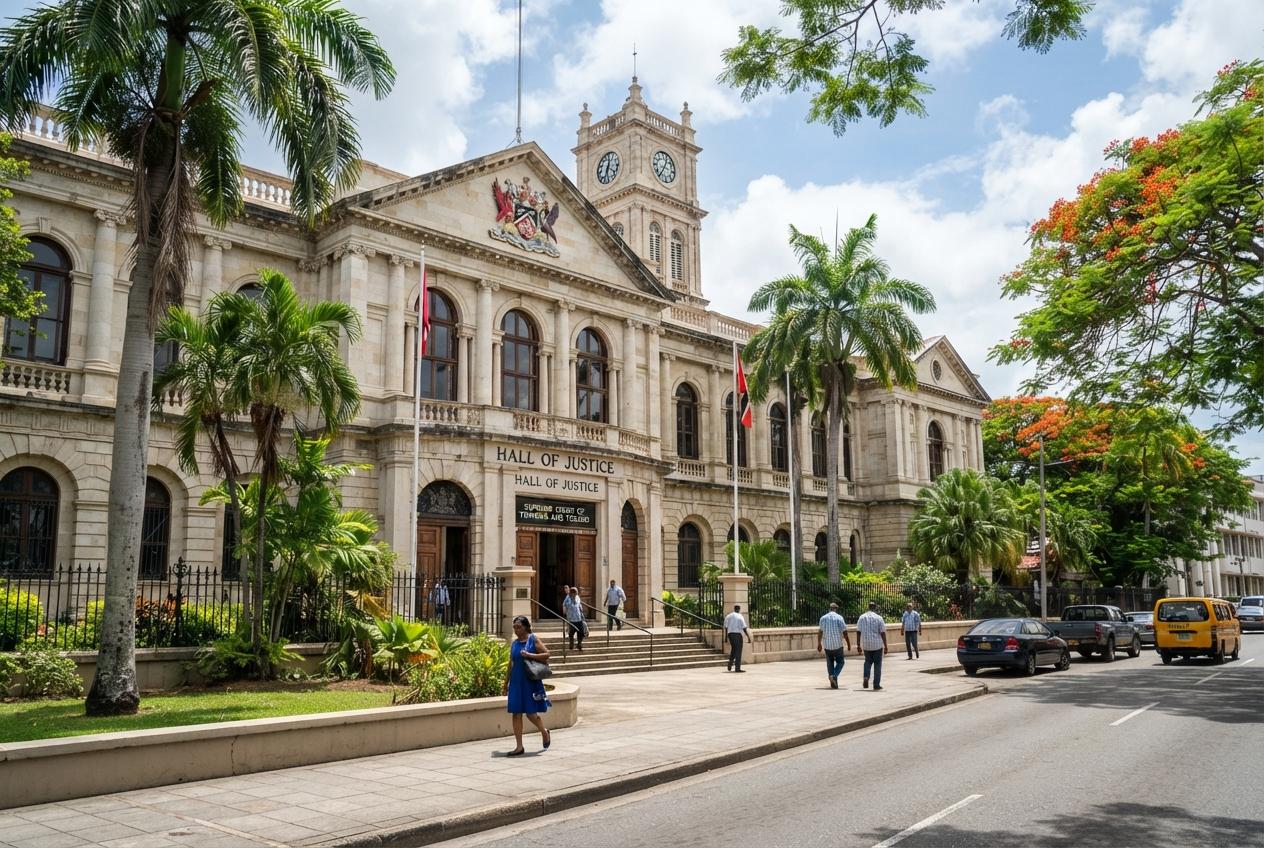
A landmark appeal has ended Trinidad and Tobago’s nearly decade-long battle over laws criminalising consensual same-sex intimacy between adults. The Privy Council’s ruling removes the threat of criminal punishment, while campaigners say the laws’ continued presence had helped fuel stigma. It’s a significant moment for LGBTQ+ rights in the twin-island nation and across the Caribbean.
Essential Takeaways
- Final appeal: Trinidad and Tobago’s highest court of appeal struck down the colonial-era laws, and the decision can’t be appealed.
- Long legal road: Activist Jason Jones brought the case, which moved through local courts before reaching the Privy Council in London.
- Beyond enforcement: Although the laws had not been enforced in recent years, critics said they still encouraged stigma and discrimination.
- Regional significance: Similar restrictions remain in some Caribbean countries, making the ruling part of a wider push for change.
A final ruling removes the threat of punishment
The Privy Council has struck down Trinidad and Tobago’s laws criminalising consensual same-sex relations, bringing a long legal fight to a close. The Associated Press reports that the unanimous decision was delivered in London on 10 November 2026 and is final. For LGBTQ+ people in the twin-island nation, the change is more than a legal technicality: it removes the threat of criminal punishment for private, consensual intimacy between adults.
The BBC also describes the outcome as a landmark for campaigners, after years of litigation in local courts. There’s a quiet but important distinction here: a law can matter even when it’s rarely enforced, because its presence can still shape how people feel about their safety and place in society.
How Jason Jones’s case reached London
The case was brought by LGBTQ+ rights campaigner Jason Jones, who argued that the laws breached constitutional protections. According to the Associated Press, the provisions carried prison terms of up to five years. Jones said he pursued the challenge partly in response to prejudice and violence he had experienced.
The legal path was anything but straight. The Associated Press says the High Court ruled against the laws in 2018, but a local appeals court reversed that outcome in 2025. The case then went to the Privy Council, Trinidad and Tobago’s highest court of appeal, where the final ruling settled the dispute.
Why an old law can still cast a shadow
The central point is not only whether anyone is prosecuted. The Associated Press reports that the laws had not been enforced in recent years, but Jones and other critics argued that leaving them on the books encouraged stigma and discrimination. The BBC likewise highlights how criminal provisions can contribute to fear even when they’re rarely used.
That makes the ruling’s effect both practical and symbolic. It removes a criminal prohibition, while also rejecting the idea that private, consensual intimacy between adults should be treated as a crime. For those following LGBTQ+ rights, that distinction is worth keeping in view.
A Caribbean decision with wider resonance
Trinidad and Tobago’s ruling sits within a broader regional effort to challenge anti-LGBTQ+ laws. The Associated Press notes that similar restrictions remain in some Caribbean countries, while courts elsewhere in the region have overturned comparable measures. The BBC also places the judgment in that wider push for change.
There’s no suggestion that one court decision settles every question of equality across the region. But it does close a prolonged legal battle in Trinidad and Tobago, and gives campaigners a clear outcome to point to. Sometimes the removal of a law is also a reminder of how long people have had to fight to change it.
Closing Line
For campaigners, this final ruling marks both a legal victory and the end of a long wait.
Source Reference Map
Story idea inspired by: [1]
Sources by paragraph: