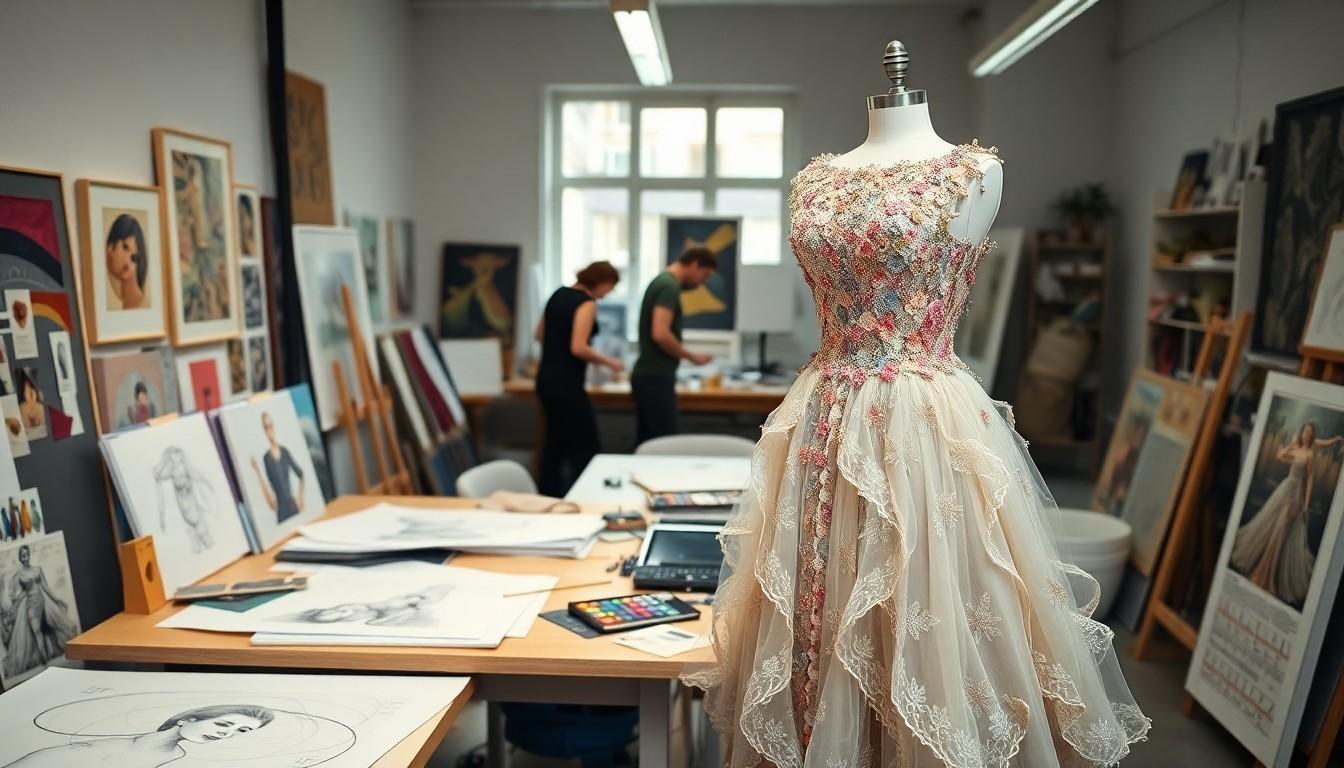
Art began as a way for The Artist L. Haz to recover from the strain of working as an attorney. Now the multidisciplinary artist is part of GLAAD’s 2026 EMEI cohort, bringing hand-rendered illustration, textiles and costume design into a practice centred on community, visibility and the power of feeling adorned.
Essential Takeaways
- Art as a lifeline: The Artist L. Haz says creativity began as a way to support their mental well-being after severe professional stress.
- A landmark costume commission: In 2024, they designed a gown for soprano Ellaina Lewis in the world premiere of Cassandra.
- Adornment with meaning: The artist wants Black people especially to feel special, powerful and celebrated through their work.
- Solidarity in everyday life: They describe it as practical support across cultures, from giving time and food to organising and showing love.
- A platform for Black LGBTQ creators: GLAAD’s EMEI uses art and storytelling to challenge HIV stigma and encourage cultural change.
For The Artist L. Haz, creativity began with recovery
The Artist L. Haz’s story starts not with a gallery or a grand commission, but with the need to find a way back to themselves. A former attorney, they say professional stress became so severe that they lost the ability to walk, and that making art became a route towards restoring their mental well-being. It’s a strikingly intimate foundation for work that now moves across illustration, textiles, installation and costume design. [2]
That beginning also explains the care with which they protect their creative practice. The artist has said they’ll step away if outside demands make the work feel untrue to its purpose as a way of untangling the mind. Their official website echoes that view, presenting art as visual storytelling shaped by lived experience, healing and solidarity. [2][3]
A silk scarf carried the feeling beyond the stage
In 2024, The Artist L. Haz made their opera-costuming debut, designing a gown for soprano Ellaina Lewis in the world premiere of William C. White’s Cassandra. Harmonia Orchestra and Chorus’s programme identifies Zahyr Lauren, the name used by the artist, as the gown’s designer; Lewis’s biography also confirms that she premiered the title role. [2][5][6]
But one of the story’s most personal moments happened after the performance. Lewis’s mother admired a silk scarf made from the same original painting, and The Artist L. Haz placed it around her neck there and then. For the artist, adornment can make someone feel powerful and special, rather than simply dressed. [2]
Solidarity, made visible in everyday gestures
The Artist L. Haz describes solidarity as ordinary, practical presence: standing alongside people from different backgrounds and offering what you can, whether that’s time, food, organising or affection. That idea connects closely with their wider practice, which their website frames around community impact, justice and visual storytelling. [2][3]
In an interview with The Solidarity Index, the artist discusses works that express solidarity between Black and Mexican communities, as well as pieces affirming the safety and dignity of trans women, especially Black trans women. The conversation adds depth to a message that can sound abstract until it’s attached to real people and daily acts of care. [4]
Why visibility matters in GLAAD’s EMEI cohort
For The Artist L. Haz, visibility isn’t about making people seem exceptional. It’s about helping them feel included and ordinary, part of a world in which they’re not alone. That perspective sits within GLAAD’s Equity in Media and Entertainment Initiative, which supports Black LGBTQ creators and uses art and storytelling to challenge HIV stigma. [2]
GLAAD’s Where We Are on TV report says the initiative’s third year spotlights visual artists, alongside its broader work to elevate Black LGBTQ storytellers and connect them with professionals in their fields. The Artist L. Haz’s focus on beauty, belonging and creative freedom gives that support a vivid human dimension. [7]
A decade-long vision finds its next steps
The artist’s ambitions in set design and costume stretch back a decade, with Living Single and costume designer Ruth E. Carter among their inspirations. Their work already spans hand-rendered illustrations, textiles, installations and costume, while their own website shows how those forms can carry stories about identity, culture and community. [2][3]
And there’s a lovely clarity to the direction: the goal isn’t simply to make something beautiful, but to offer beauty that helps people feel seen. With the EMEI cohort, The Artist L. Haz is taking deliberate steps towards that long-held creative vision. [2][7]
For The Artist L. Haz, adornment can be more than decoration; it can be a way of saying, you belong here.
Source Reference Map
Story idea inspired by: [1]
Sources by paragraph: