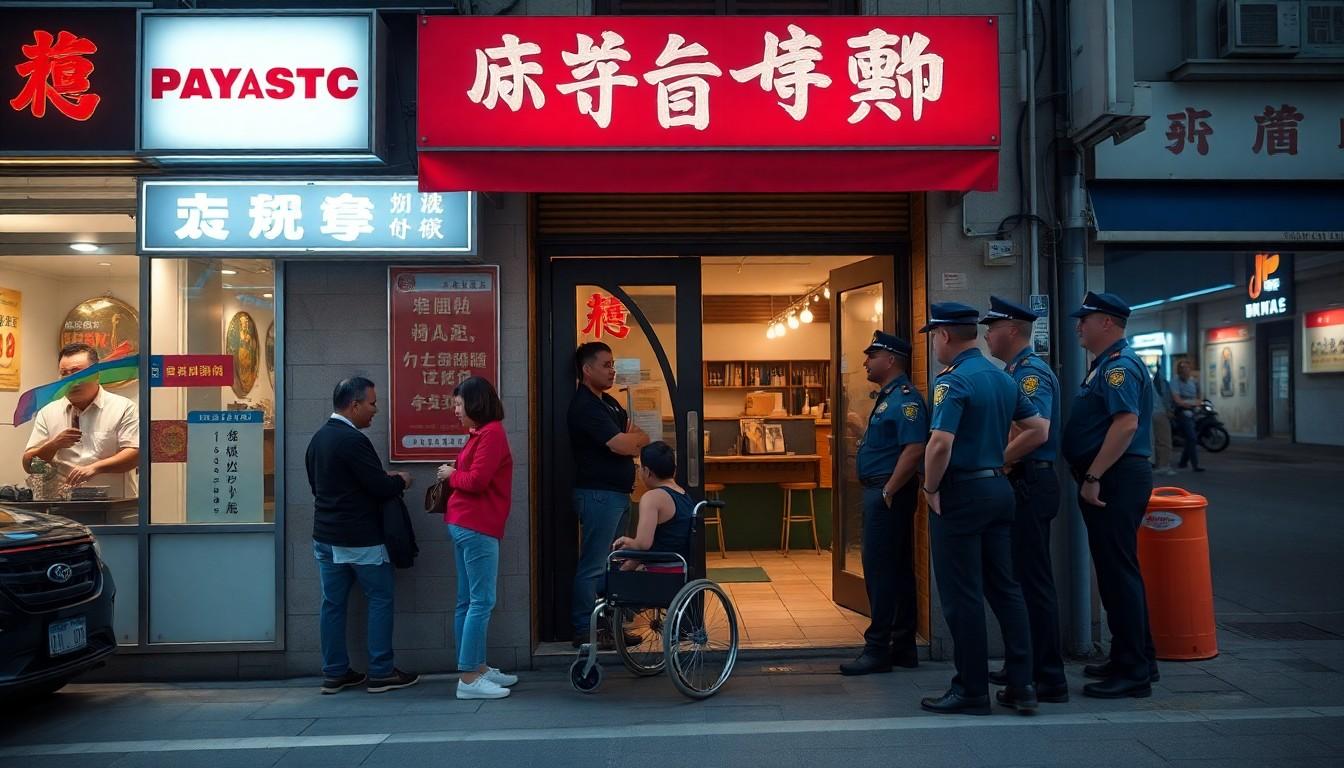
A police raid on a gay bar in Taipei has put the city’s inclusive reputation under scrutiny. After customers were taken in for questioning and protests followed, the mayor expressed regret over officers’ conduct. The episode matters beyond one venue: it has prompted fresh debate about how LGBTQ+ people are treated by law enforcement in a place known for Pride celebrations.
Essential Takeaways
- The raid: Police entered Commander D in Taipei’s Ximen neighbourhood on 3 October, questioned 51 people and arrested the bar’s owner.
- The response: Mayor Chiang Wan-an regretted officers’ conduct, while police said they had disciplined officers.
- Community concerns: LGBTQ+ groups said the incident reflected wider problems, not just isolated behaviour.
- A wider context: Taiwan legalised same-sex marriage in 2019, and Taipei hosts a major annual Pride event.
A raid puts Taipei’s welcome under pressure
The police raid on Commander D, a gay bar in Taipei’s Ximen neighbourhood, has unsettled the city’s LGBTQ+ community. A video circulating online appeared to show an officer making a degrading remark to a customer with a disability, adding a deeply personal edge to an operation that quickly drew public criticism.
Reuters reported that officers entered the venue on 3 October after a complaint about possible public-decency offences. They took 51 people in for questioning and arrested the bar’s owner. Protests followed, with people challenging the operation and questioning whether Taipei’s queer-friendly reputation is reflected in its treatment of LGBTQ+ residents.
The mayor’s apology meets calls for accountability
Mayor Chiang Wan-an said he regretted the police conduct and stressed that the city must protect equal rights regardless of people’s age, gender, sexual orientation, identity, ethnicity or beliefs. His comments came as the incident tested Taipei’s image as a welcoming city.
Reuters reported that police had taken disciplinary action against officers, though the initial announcement gave few details. Focus Taiwan later reported that six officers were disciplined after a review: four received reprimands over inappropriate language, the lead investigator received a demerit for failing to intervene promptly, and the precinct chief was disciplined over supervision.
Why LGBTQ+ groups say this is bigger than one raid
Rights organisations argued that the episode went beyond an individual officer’s words. In a joint statement reported by Reuters, groups described the raid as part of longstanding homophobia, discrimination and abuse of power within police enforcement.
Focus Taiwan reported further allegations from civil-society groups, including that officers had not shown the search warrant to people being searched and had restricted patrons’ movement, conversation and phone use. These were allegations made by people present and the organisations, rather than findings established by the report. The groups called for an independent investigation, a public explanation and accountability.
Taiwan’s Pride reputation faces a practical test
Taiwan legalised same-sex marriage in 2019, becoming the first jurisdiction in Asia to do so, and Taipei’s annual Pride event is one of the region’s largest. But those milestones don’t, by themselves, settle concerns about how people are treated during police operations.
Reuters reported that opposition politician Puma Shen called for people’s rights and dignity to be respected, saying Taipei’s diversity should be visible beyond Pride celebrations. That’s a useful measure of inclusion: not just what a city celebrates in public, but how its institutions treat people on an ordinary day.
What the police response could mean next
The disciplinary findings reported by Focus Taiwan provide more detail on the official response than the first statements did. They address alleged language and supervision failures, while leaving rights groups’ broader demands for independent scrutiny in view.
For LGBTQ+ residents and visitors, confidence in public institutions depends on more than a city’s reputation. The protests have made clear that people want dignity and rights to be protected even during an investigation.
It's a moment for Taipei to show what inclusion looks like when it’s tested.
Source Reference Map
Story idea inspired by: [1]
Sources by paragraph: