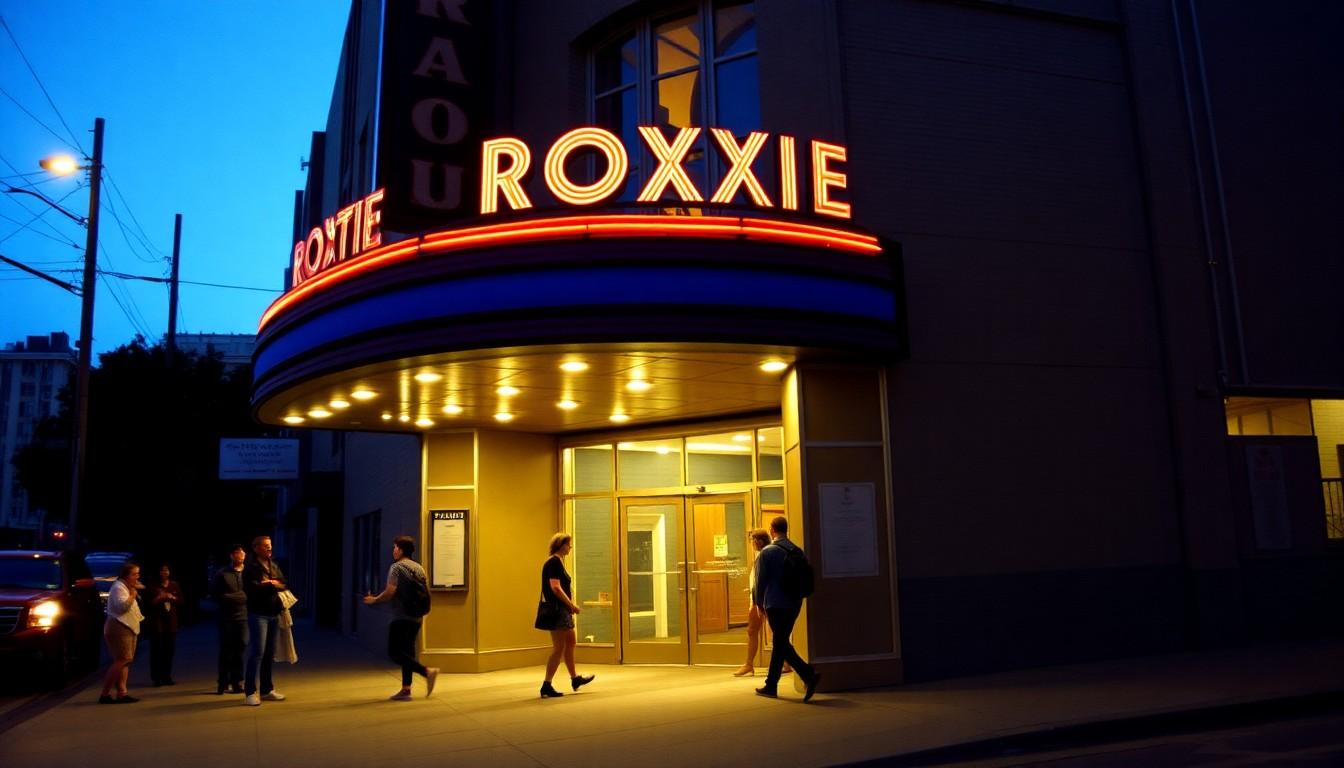
A film festival can be more than a run of screenings: in San Francisco, it’s also a place to gather, see transgender lives on screen and celebrate the artists telling those stories. The San Francisco Transgender Film Festival returns to the Roxie Theater for its 29th edition, with an online programme to follow.
Essential Takeaways
- A long-running platform: The festival began in 1997 and became an annual event in 2005.
- A broad programme: Films span horror, documentary, music-video-style work and other forms.
- A hybrid event: The edition covered by KQED includes in-person screenings at the Roxie Theater, followed by online viewing.
- A community focus: Artistic director Shawna Virago presents the festival as a space for art, solidarity and connection.
- Access matters: The festival’s website lists accessibility provisions including captions, American Sign Language interpretation and wheelchair access.
A cinema gathering with a point of view
The San Francisco Transgender Film Festival is designed to make room for celebration as well as storytelling. Artistic director Shawna Virago describes it as a chance for audiences to gather and focus on trans cinema, art and community rather than anti-trans hostility, KQED reports.
That mood gives the screenings a particular warmth: they’re not just films to watch, but work to experience alongside other people. The festival’s long-running commitment to transgender and gender-nonconforming filmmakers and stories is also reflected in the programme’s range, according to the festival’s own history.
From a small beginning to a lasting platform
Friends Christopher Lee and Alex Austin launched the festival in 1997, initially as a biennial event. It became annual in 2005, and Virago says it has screened 800 films, including films about transgender lives and work made by or starring transgender people, KQED reports.
The festival’s roots are part of a wider story about making space for trans artists to tell their own stories. In a 2017 interview republished by the festival, Virago discussed the event’s DIY beginnings and the challenge of sustaining transgender arts programming when support from funders and established festivals was limited.
Horror, music and stories from across the world
The programme doesn’t treat trans cinema as one genre or one kind of story. KQED highlights Dread, a 10-minute horror short by South African filmmakers Gabe Gabriel and Loren Loubser, alongside One Of The Girls, about a Japanese American single mother whose gender-affirming care supports transgender women.
There’s also Swoletarian, described by KQED as a music-video-style gay anthem. Bay City News’ preview points to a wider mix of comedy, documentary, horror and speculative fiction, including a documentary about Hustleween, a Black trans and queer community event.
Going in person, or watching online
For the edition covered by KQED, the festival’s in-person screenings take place at San Francisco’s Roxie Theater, with the programme becoming available online afterwards. The festival’s own website is the best place to check the schedule, accessibility details and the dates for the specific edition you plan to attend.
That date check matters: festival schedules change from year to year, and the organiser’s website lists dates for its 2026 edition separately. The site also describes provisions including captions, American Sign Language interpretation and wheelchair access, so it’s worth checking the latest details before making plans.
A small act with a bigger meaning
Virago frames showing up as an act of solidarity, but the festival’s invitation is also straightforward: come for the films, and make space for the people and ideas on screen. Its blend of genres and perspectives makes that welcome feel broader than any single definition of trans cinema.
The closing thought is quietly powerful. As Virago told KQED, transgender people have always been part of the human experience, and will continue to be.
Explore the schedule and accessibility information before choosing a screening.
Source Reference Map
Story idea inspired by: [1]
Sources by paragraph: