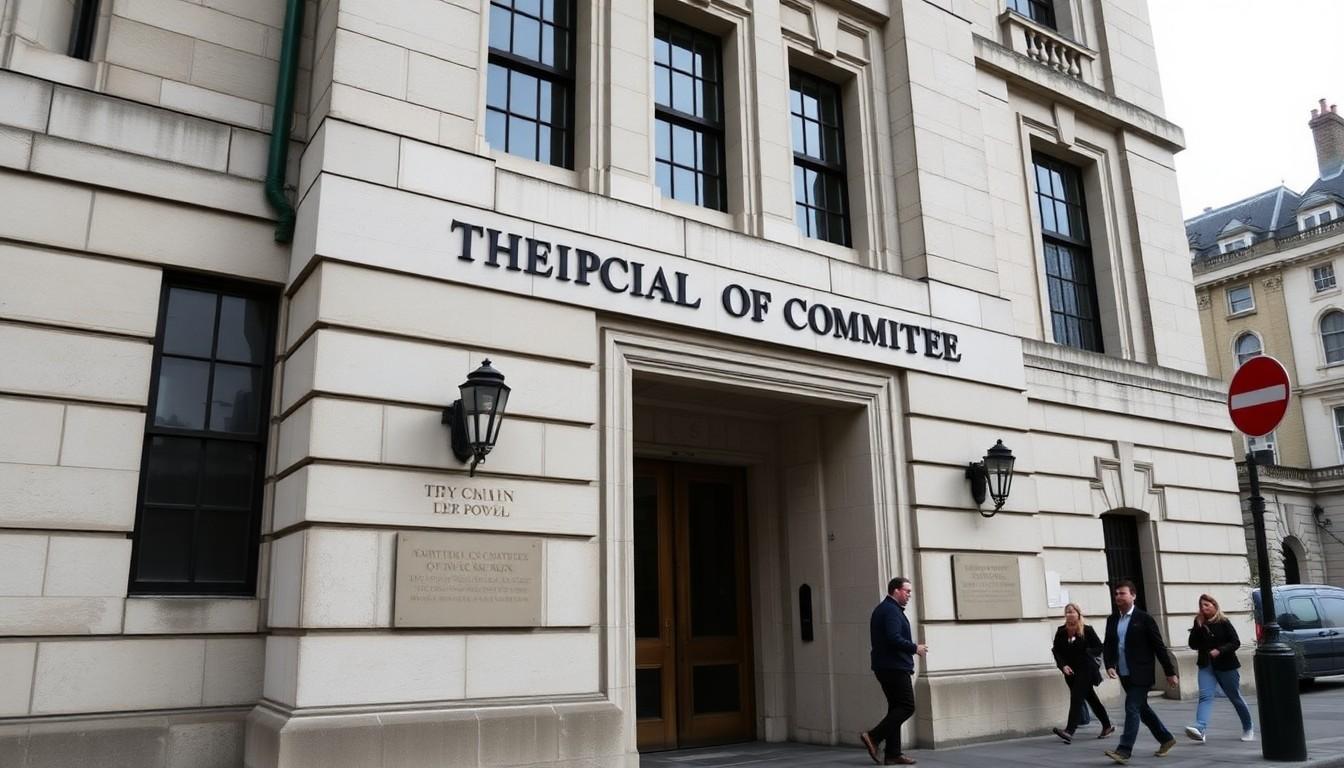
A unanimous Privy Council ruling has struck down provisions used to criminalise private, consensual same-sex relations in Trinidad and Tobago. The decision marks a major turn in Jason Jones’s decade-long legal challenge, and could offer hope to people contesting similar laws elsewhere in the Caribbean. But the court has yet to settle the precise form of its final remedy.
A decade-long challenge reaches a turning point
The Privy Council has unanimously ruled against provisions of Trinidad and Tobago’s Sexual Offences Act 1986 that criminalised certain private, consensual sexual activity between adults of the same sex. For campaigner Jason Jones, who brought the challenge, the decision is a hard-won victory after years of legal argument.
The case began with a High Court ruling in Jones’s favour in 2018. The Court of Appeal later reversed that outcome, prompting him to take his challenge to the Privy Council in London, the country’s highest court of final appeal. The Associated Press reported that the disputed provisions carried possible prison terms, although they had not been enforced in recent history.
Why the judges rejected the government’s case
At the heart of the dispute was whether the challenged provisions were protected by constitutional safeguards for certain laws carried over from before independence. The Privy Council concluded that the 1986 provisions were new legislation, rather than a continuation of older colonial-era laws, so they weren’t shielded from constitutional scrutiny on that basis.
The judges also rejected the argument that the restrictions were reasonably justifiable. The court’s full judgment considers the importance of intimate relationships to private and family life and personal identity, while finding that the government’s arguments about tradition did not establish a sufficient justification.
The ruling matters beyond this one case
The decision has significance for people challenging comparable laws around the Caribbean, where similar provisions remain in some countries. The Guardian reports that regional advocates see the ruling as potentially influential, while the Privy Council’s judgment also refers to decisions in other Caribbean jurisdictions.
That wider relevance shouldn’t be mistaken for an instant regional change. Each legal challenge has its own constitutional setting, and the ruling doesn’t by itself resolve social discrimination or change public attitudes. Still, it gives campaigners a closely reasoned decision to point to when questioning the criminalisation of private, consensual same-sex intimacy.
What happens next in the case?
The Privy Council allowed Jones’s appeal and dismissed the Attorney General’s cross-appeal. But the court has invited further written submissions before settling its final remedial order, so the precise form of the remedy remains to be decided.
For readers following the case, that’s an important distinction: the court has ruled against the challenged provisions, but the final order is still pending. Trinidad and Tobago Television also notes that the judgment addressed constitutional rights relating to private and family life.
A legal win, but not the end of the struggle
Jones described the outcome as a vindication, and told the Associated Press it was a major victory. The Guardian also notes his recognition that a court ruling alone cannot remove the discrimination LGBTQ+ people face.
There’s a striking tension in the story: decades after Trinidad and Tobago gained independence, Jones had to take his challenge to a court based in Britain. The legal result is significant, but the journey to reach it is a reminder that equality in law and safety in everyday life aren’t always the same thing.
The judgment is a landmark step for Jones, with its final remedy still to come.
Source Reference Map
Story idea inspired by: [1]
Sources by paragraph: