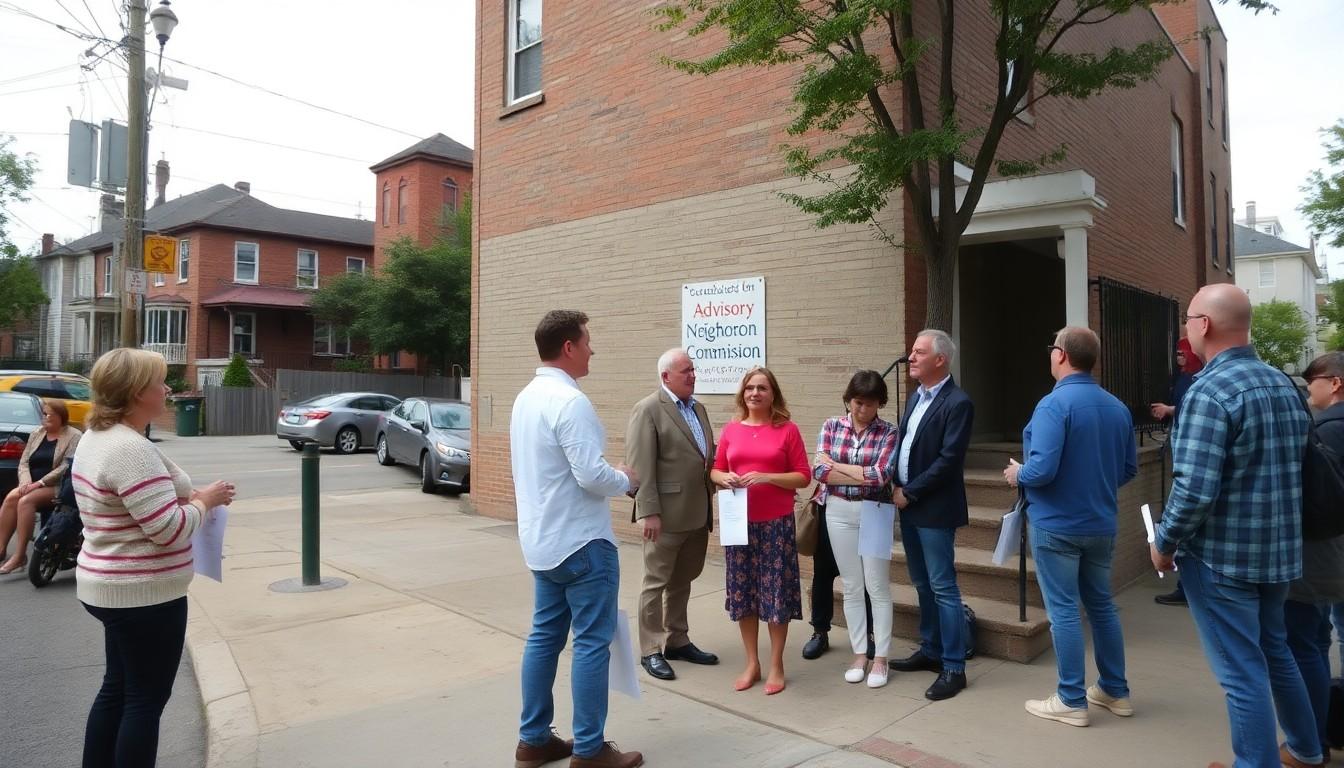
Residents are set to see at least 29 known LGBTQ candidates take seats on Washington, D.C.’s Advisory Neighborhood Commissions after the 3 November election. The count is still provisional, but several candidates ran unopposed, and two wins mark firsts for the city. Here’s why these local races matter beyond the ballot box.
Key takeaways
- At least 29 presumed winners: They were either comfortably ahead or ran unopposed, according to election reporting.
- Two reported firsts: Vida Rangel and Dana White are described as the first people in their respective groups elected to public office in D.C.
- A wider candidate pool: 39 known LGBTQ candidates appeared on the ballot, out of an initial list of 45.
- Local influence, not lawmaking power: ANC commissioners make recommendations on neighbourhood issues, including zoning, traffic and liquor licences.
- One close contest remained: Daniel Aboagye was three first-choice votes behind his leading opponent, with ranked-choice counting potentially affecting the outcome.
At least 29 LGBTQ candidates appear set to win
At least 29 known LGBTQ candidates appeared to have won seats on D.C.’s Advisory Neighborhood Commissions, according to the Washington Blade’s election report. Some had substantial leads, while others faced no opponent. The results were provisional: the D.C. Board of Elections was due to accept mail ballots postmarked by election day through 13 November.
That makes the headline figure significant, but not yet the same as a final certified tally. The Board of Elections’ 2026 election page links to candidate and election materials, while the Washington Blade report says the candidates were expected to win based on the counts available at the time.
Two reported firsts, and a campaign to recruit candidates
Among the presumed winners, Vida Rangel won in ANC 1A10 in Columbia Heights. The Washington Blade reported that she became the first known transgender woman of colour elected to public office in D.C. Dana White, elected in ANC 6B04, was reported as the first known Black trans and non-binary person elected to public office in the city. Both ran unopposed.
Steven “Stevie” McCarty also won unopposed in Shaw. He was president of Capital Stonewall Democrats, whose leaders helped launch a campaign to recruit LGBTQ residents to run for ANC seats. That effort helps explain how a local election became part of a broader push for representation, not simply a collection of individual contests.
Why neighbourhood commissions matter
ANCs are local advisory bodies, not lawmaking councils. Commissioners make recommendations on issues such as zoning, street improvements, traffic, parking and liquor licences, and elected city officials are required to give those recommendations “great weight”, according to the Washington Blade.
The District Council’s explainer describes commissioners as unpaid representatives serving two-year terms. It also outlines the commissions’ role in putting neighbourhood views to city agencies and officials. The precise number of commissions and districts differs between the supplied election report and the Council page, so readers checking the structure should consult current official election and boundary materials.
A larger candidate field, with one close race in focus
The 29 presumed winners came from 39 known LGBTQ candidates who appeared on the ballot. The Washington Blade reported that it had initially identified 45 candidates, but six did not appear on the ballot; they may have withdrawn or failed to meet the petition-signature requirement.
One contest remained especially close. Daniel Aboagye was trailing Ben Hammer by three first-choice votes in a four-candidate race, and hoped ranked-choice voting could shift the outcome. FairVote’s account of the election explains that later preferences can matter when candidates are eliminated, so an early first-choice count need not settle a race.
What to watch as counting continues
The Board of Elections’ election page is the place to follow official materials as results progress towards certification. For Aboagye’s race, the key detail is not just the first-choice gap but how the ranked-choice tabulation develops. FairVote’s report notes that its results were preliminary and based on data current as of 10 November.
For residents, these seats offer a direct route for neighbourhood concerns to reach city decision-makers. The commissioners don’t set policy themselves, but their recommendations can put local priorities on the record.
Local representation starts close to home, and these results could reshape who gets heard there.
Source Reference Map
Story idea inspired by: [1]
Sources by paragraph: