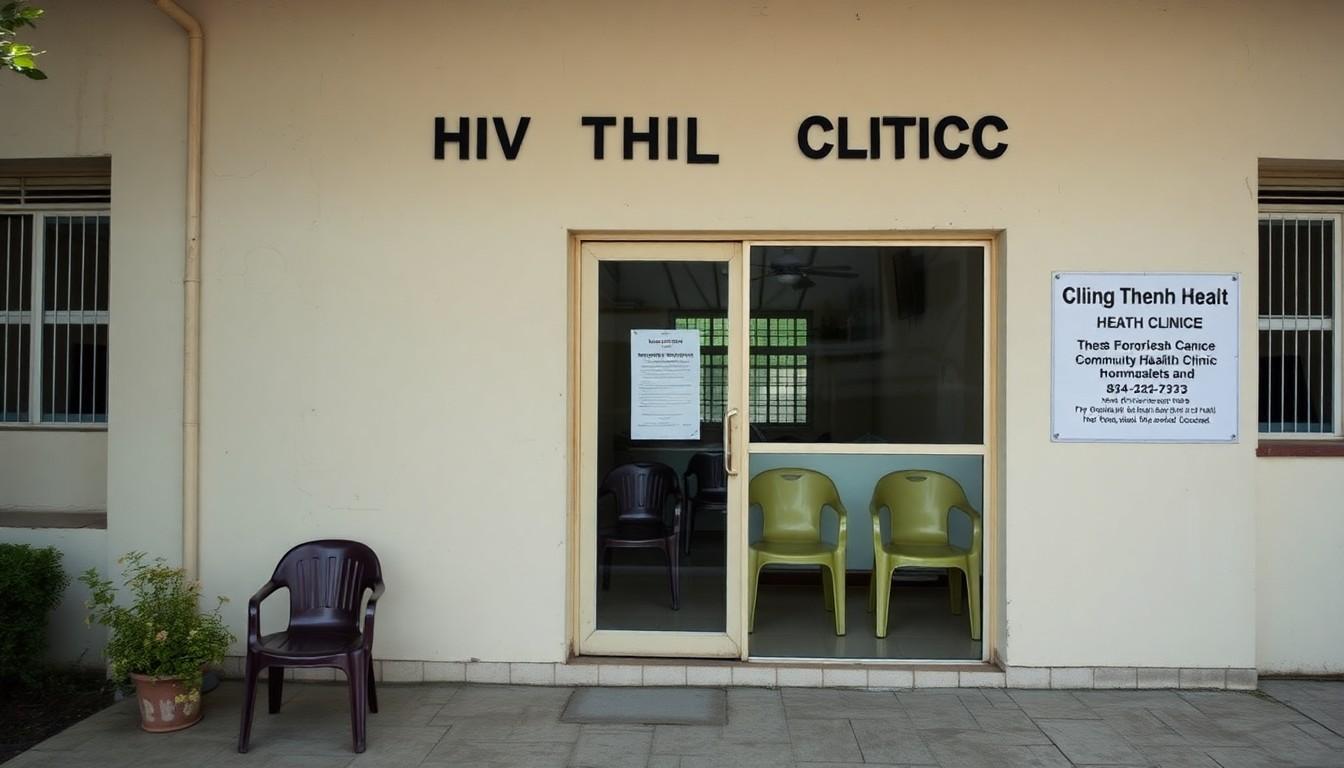
A sudden US foreign aid withdrawal has left LGBT people in Indonesia facing gaps in HIV prevention and care, Human Rights Watch says. Community outreach had helped people get confidential tests, reach clinics and stay on treatment, but funding losses have weakened those links. The disruption matters especially where stigma and fear already make healthcare difficult to access.
Essential takeaways
- Services ended: Human Rights Watch says US aid cuts in 2025 ended USAID-funded community HIV prevention and care for LGBT people in Indonesia.
- Outreach had practical value: Workers helped clients access testing, prevention information, clinics, transport and antiretroviral treatment.
- Some treatment links have weakened: Outreach workers reported losing contact with clients, while some people collected medication late or missed doses.
- The funding shock was wider: UNAIDS reported that community-led programmes in Indonesia were among those paused in early 2025.
- Long-term support remains a challenge: A World Health Organization review identified gaps in coordination, service integration and sustainable financing across Indonesia's HIV response.
When outreach disappears, care gets harder to reach
A missed appointment can become more than a diary slip when the person who used to help arrange transport, explain options or accompany a client to a clinic is no longer there. Human Rights Watch says US foreign aid cuts in 2025 abruptly ended community-based HIV prevention and care for LGBT people in Indonesia, making access to testing and treatment harder.
The organisation's report draws on interviews with people living with HIV, outreach workers, activists and others in Jakarta, Depok and Serang. It says outreach workers had helped people obtain confidential tests, condoms and information about pre-exposure prophylaxis, as well as supporting clinic visits and adherence to treatment.
Since the cuts, workers told Human Rights Watch, some organisations have lost contact with clients, while some people have collected medication late or missed doses. That's a troubling break in the chain: support can make healthcare feel reachable, not just available.
The disruption began with a funding freeze
The loss of services sits within a broader interruption to US-supported HIV programmes. UNAIDS reported in February 2025 that many programmes in Indonesia had to pause, including all community-led activities funded through USAID.
The update said prevention and treatment-linkage services for around 30 per cent of men who have sex with men in Jakarta were affected. It also reported that plans to expand pre-exposure prophylaxis programmes and a pilot of long-acting HIV prevention medicine were halted.
That early account helps explain why the cuts mattered beyond a single budget line. Community outreach connects people with prevention and treatment; when those links pause, the services around them become harder to navigate.
Stigma and legal risks can compound the gap
Human Rights Watch says LGBT people in Indonesia already face discrimination and barriers in healthcare. Transgender people whose identity documents don't reflect their gender may face humiliation or discrimination, and the report describes outreach workers helping clients navigate clinics and other obstacles.
The organisation also links the service disruption to arrests and raids that may deter people from carrying condoms, gathering for outreach, testing for HIV or seeking treatment. When people already have reasons to avoid public services, losing a trusted community contact can make that hesitation harder to overcome.
UNAIDS has warned more broadly that punitive laws and discrimination can make HIV services harder to access for key populations. The pattern is stark: prevention depends not only on medicines and clinics, but also on whether people feel safe enough to use them.
Indonesia's wider HIV response needs steady support
The funding shock has landed amid wider challenges for HIV services. In its 2026 review of Indonesia's programme, the World Health Organization identified continuing gaps in coordination, service integration and long-term sustainability.
The review's recommendations covered early diagnosis, starting treatment, keeping people in care and strengthening community support. It also called for financing across the full continuum of care and efforts to reduce stigma, underlining that treatment is not a one-off encounter but a path people need support to stay on.
A separate report from Harm Reduction International and Rumah Cemara describes how funding reductions affected other community-based health work in Indonesia, including outreach and peer support. It says some government services continued, but reduced staffing and support weakened the help available to clients. These findings concern harm reduction rather than the specific LGBT-focused services in the Human Rights Watch report, but they point to a similar vulnerability when community organisations lose capacity.
What needs to happen next?
Human Rights Watch urges Indonesia to fund HIV prevention and care for men who have sex with men and transgender people, support community-led organisations, maintain antiretroviral supplies and ensure nondiscriminatory care. It also calls for action against police abuses and barriers that make people less willing to seek services.
For international donors, the organisation says restoring support for community groups is essential. UNAIDS has warned that funding interruptions can put prevention and treatment at risk globally, while distinguishing projected future impacts from deaths or infections already observed.
A steady, respectful route into care may look simple from the outside. For someone facing stigma or fear, it can be the difference between seeking help and staying away.
Restoring community support could help make HIV care reachable again.
Source Reference Map
Story idea inspired by: [1]
Sources by paragraph: