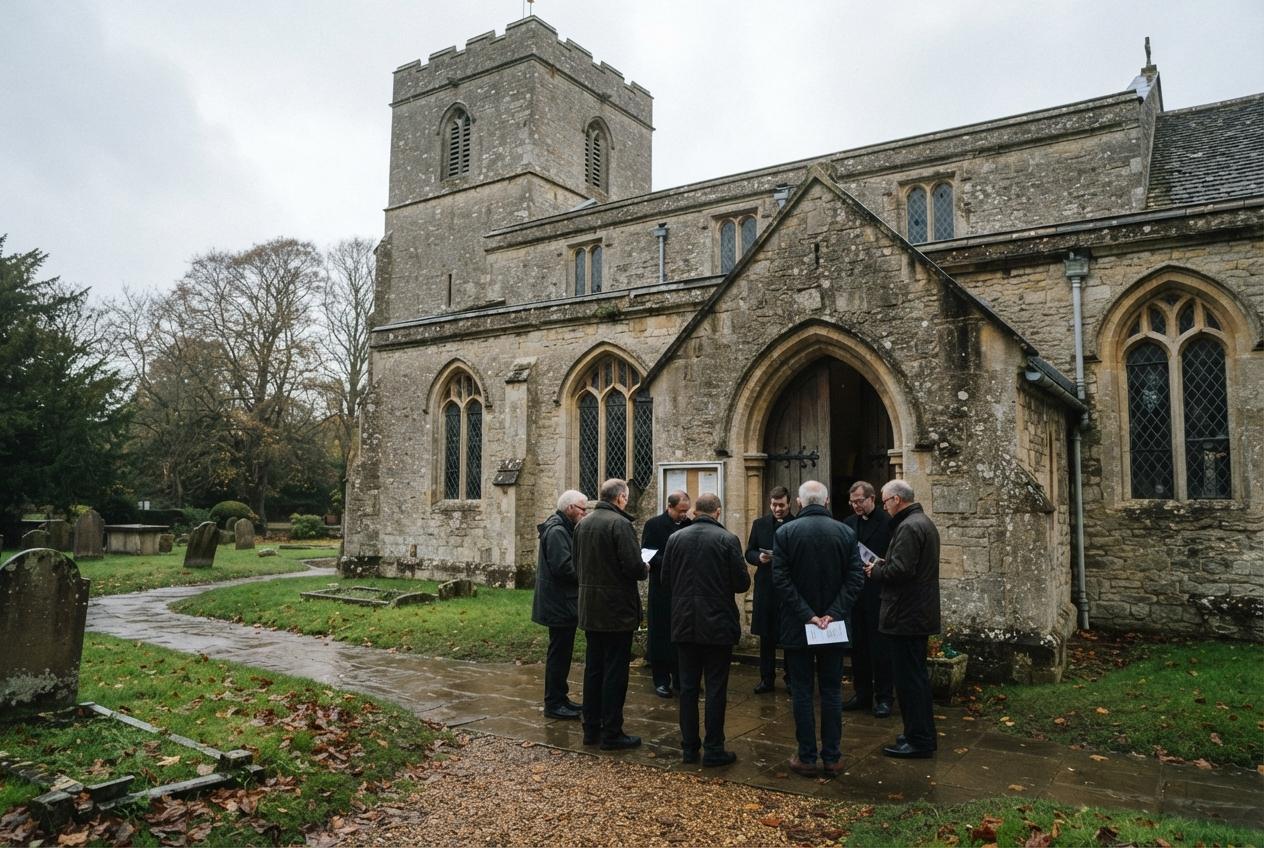
Church ministers and supporters are being invited to sign an open letter challenging the UK Government’s draft Conversion Practices Bill. Published in June 2026, the proposal is now under parliamentary scrutiny. The letter warns that its wording could put Christian teaching and pastoral conversations at risk, though those concerns are advocacy claims, not established effects of the draft.
Essential Takeaways
- The letter’s concern: Its authors argue that unclear wording could expose ordinary Christian teaching and conversations to criminalisation.
- Who can sign: Clergy, ministers, pastors and pastoral workers are invited to sign as ministry representatives; others can sign as supporters.
- What the draft proposes: The Government’s draft includes offences relating to abusive conversion practices and civil protection orders.
- Where it applies: The proposed legislation covers England and Wales, and has not been passed into law.
- Parliament is examining it: A joint committee opened a call for evidence on 26 October 2026.
A warning letter, and a draft still under scrutiny
The open letter from the Greater Love group presents a stark warning: its authors say the draft Conversion Practices Bill could put ordinary Christian teaching and pastoral conversations at risk. That is the letter’s interpretation of the proposal, not a settled legal finding.
The invitation is aimed first at people working in church ministry, including clergy, ministers, pastors and pastoral workers. People outside those roles can sign as supporters, according to Anglican Mainstream, which published the letter.
What the Government’s draft actually proposes
The Government published its draft on 25 June 2026 for pre-legislative scrutiny. GOV.UK describes proposals for offences relating to abusive conversion practices, including conduct involving a UK national or resident overseas, as well as civil protection orders designed to offer advance protection.
The draft text defines a conversion practice by reference to conduct intended to change a person’s sexual orientation or transgender identity, with qualifications set out in the Bill. It describes abuse as something assessed in context, including factors such as threatening or coercive behaviour and emotional pressure. The text is a proposal, not law, and its provisions should be read rather than inferred from campaign claims.
Why the wording is contested
The letter argues that the draft’s language is vague and could criminalise mainstream Christian views on marriage, family, sex and morality. The Government, by contrast, describes its proposal as targeting abusive practices. Those are different interpretations of the draft, and neither should be mistaken for a court’s assessment of how particular words or actions would be treated.
The Government’s explanatory notes describe a proposed threshold involving serious harm, alarm or distress with a substantial effect on someone’s ordinary daily activities. They also explain that some healthcare conduct would be treated differently. The notes help explain the Government’s stated intent, but the draft’s legal wording remains central to assessing its reach.
Parliament has opened the evidence-gathering stage
The Joint Committee on the Draft Conversion Practices Bill published its call for evidence on 26 October 2026. Parliament says the committee was appointed to examine the draft and report on it, including how concerns about the wording might be addressed.
That scrutiny matters: publication of a draft Bill does not make it law. Parliament’s guidance explains that draft legislation can be examined before it is formally introduced, and may change during that process. For readers weighing the open letter’s warning, the distinction between a proposed law and an enacted one is more than a technicality.
How to read the letter’s invitation
The open letter is an opportunity for church workers and other supporters to make their position known, but it is still an advocacy document. Its claims about possible effects should be considered alongside the Government’s draft, explanatory notes and the committee’s scrutiny process.
If you’re deciding whether to sign, check which category applies to you, then read the draft and the committee’s information for yourself. The useful question is not simply whether the proposal sounds reassuring or alarming, but how its definitions and safeguards would work in practice.
A draft is not a verdict; the details, and the scrutiny still to come, matter.
Source Reference Map
Story idea inspired by: [1]
Sources by paragraph: