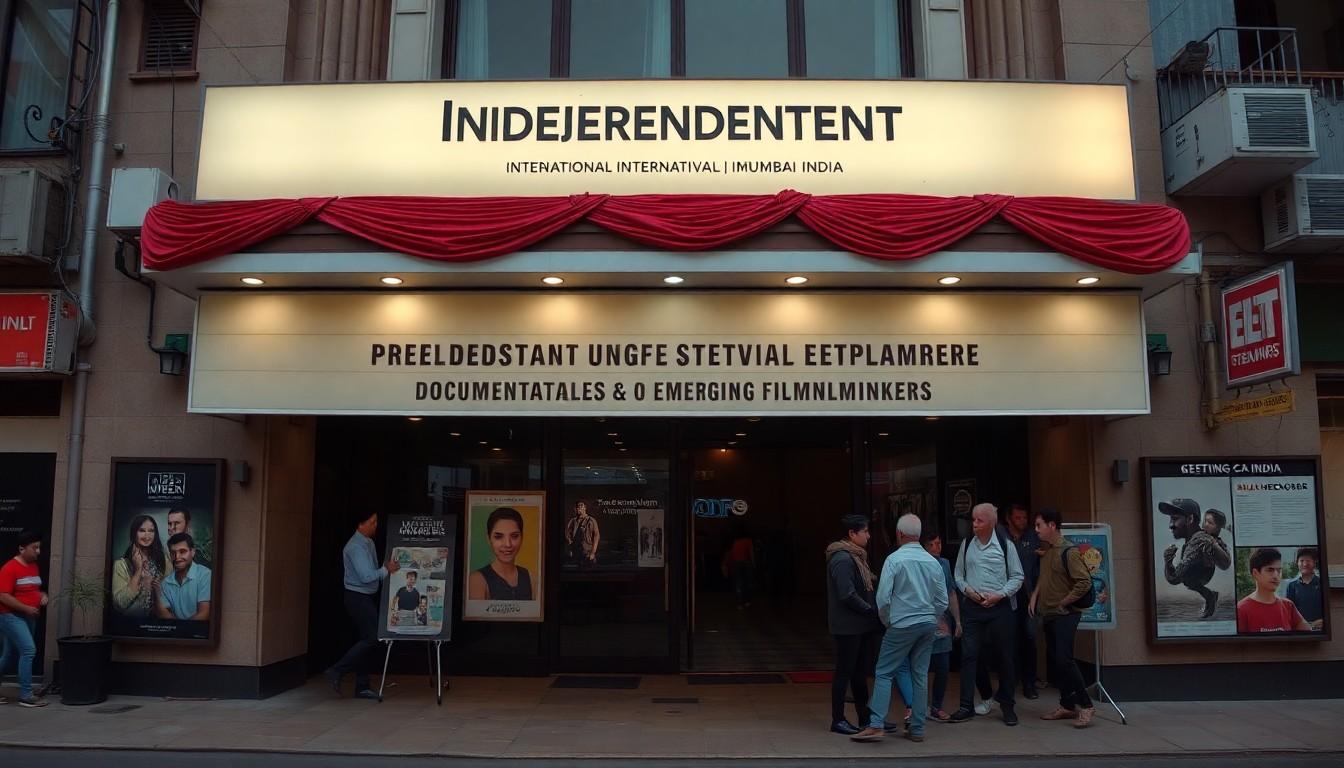
Mumbai’s Yellowstone International Film Festival has unveiled a documentary and LGBTQIA+ line-up for its seventh edition, running from 30 November to 4 December 2026. The programme brings stories of care, resistance and identity to the screen, while a new grant aims to help emerging queer filmmakers in India turn their own stories into films.
Essential Takeaways
- The festival runs from 30 November to 4 December in Mumbai, India.
- American Doctor makes its Asian premiere, following three US physicians treating injured Palestinian children in Gaza.
- The programme spans documentaries and queer cinema, including Cannes prize-winner Elephants in the Fog.
- The new KSF Queer Grant offers US$20,000 in total to two emerging LGBTQIA+ filmmakers in India, plus nine months of mentorship and production support.
- The partners plan a three-year commitment, aiming to support six filmmakers and six films.
A documentary line-up built around people under pressure
The strongest thread in Yellowstone’s documentary selection is how personal lives meet larger forces. In American Doctor, director Poh Si Teng follows three US physicians who volunteer their medical expertise to treat Palestinian children injured in Gaza. The film is making its Asian premiere in Mumbai, after being named to DOC NYC’s shortlist; DOC NYC lists an in-person New York screening on 12 November 2026.
There’s a different kind of resistance in Herland, directed by Kallol Mukherjee. It follows Bhagyashree and other women in a conservative Indian village as they challenge restrictions on their movement and right to work. The setting sounds intimate, but the stakes are anything but small.
The Wolf, by Wancheng Gu and Prasad Shetty, shifts the focus to Yuan, a 60-year-old queer former village mayor in Shanghai. She’s navigating love, family obligations and changing economic circumstances while seeking more autonomy later in life. Together, the three features suggest a programme interested in how people make room for themselves when the world around them feels constraining.
Short documentaries find big stories in everyday life
The documentary shorts range from family care to memory and community. In the Colombian and US-set In the Silence After, a son returns home to care for his mother and films the final year they spend together. No Matter the Weather follows 83-year-old Renée after she breaks her ankle, as her granddaughter Florence steps in as caregiver.
Closer to home, A Sunflower in Delhi looks inside a women-only beauty parlour where customers, including the filmmaker’s family, reflect on letting their hair go grey. The film moves between that close-knit space and the busy city outside. It’s a quietly observant premise, built around a familiar ritual and the conversations that gather around it.
Other shorts include Born Secret, in which filmmaker Riley Fitchpatrick returns to the hometown that built the atomic bomb, and The Sailor & The Chef. The latter follows Piyush and Sushil, who met in Mumbai 30 years ago, when the internet was still nascent and an openly queer community was barely available to them.
Cannes-winning Elephants in the Fog leads the LGBTQIA+ selection
The LGBTQIA+-themed programme includes Elephants in the Fog, Abinash Bikram Shah’s film about Pirati, matriarch of a Kinnar community in a Nepalese village. When one of her daughters disappears, Pirati must investigate while weighing her own wish for freedom against her responsibilities to the community. The film won the Jury Prize in the Un Certain Regard section at the 2026 Cannes Film Festival.
The shorts bring the theme into very different worlds. Tank Time centres on a lonely non-binary teenager who finds courage, friendship and an unexpected crush amid a stolen fish and a neighbourhood feud. The Witch of Vihar Lake follows siblings Mitthu and Ishita through a coming-of-age story shadowed by local tales of a terrifying witch.
These stories aren’t confined to one style or setting. That variety is part of the point: queer lives can sit at the centre of a thriller, a family story or a small, magical encounter.
The KSF Queer Grant aims to open doors
Alongside the screenings, the festival is launching the KSF Queer Grant with the Keshav Suri Foundation and Lotus Visual Productions. The initiative offers US$20,000 in production funding to two emerging LGBTQIA+ filmmakers in India, with each receiving US$10,000 and nine months of mentorship and end-to-end creative and production support.
The partners have committed to the initiative for three years, with an ambition to help six filmmakers make six films. Yellowstone founder Tushar Tyagi said the grant is intended to address barriers to funding, industry networks and practical support, rather than a shortage of stories or imagination.
That focus on who gets to make films adds a second kind of value to the programme. A festival can give a film an audience; this grant is designed to help filmmakers get their work made in the first place.
A festival programme with room for different voices
The wider festival announcement places the documentary and LGBTQIA+ selections within Yellowstone’s seventh edition, running from 30 November to 4 December in Mumbai. Variety India also reports that Elephants in the Fog and The Sailor & The Chef feature in the programme, alongside a wider mix of films and events.
For viewers, the line-up offers several ways in: a high-stakes documentary, an intimate family portrait, or a story shaped by queer experience and community. And for emerging filmmakers, the new grant makes the announcement about more than what will appear on screen. It also points to who might get the chance to tell the next story.
A thoughtful line-up can make space both for films worth watching and the filmmakers who need support to make them.
Source Reference Map
Story idea inspired by: [1]
Sources by paragraph:
- Paragraph 1: [4]
- Paragraph 2: [3]
- Paragraph 3: [3]
- Paragraph 4: [3]
- Paragraph 5: [3]
- Paragraph 6: [3]
- Paragraph 7: [3]
- Paragraph 8: [3]
- Paragraph 9: [5]
- Paragraph 10: [3]
- Paragraph 11: [3]
- Paragraph 12: [2]
- Paragraph 13: [2]
- Paragraph 14: [2]
- Paragraph 15: [7]
- Paragraph 16: [7]
- Paragraph 17: Lead article only