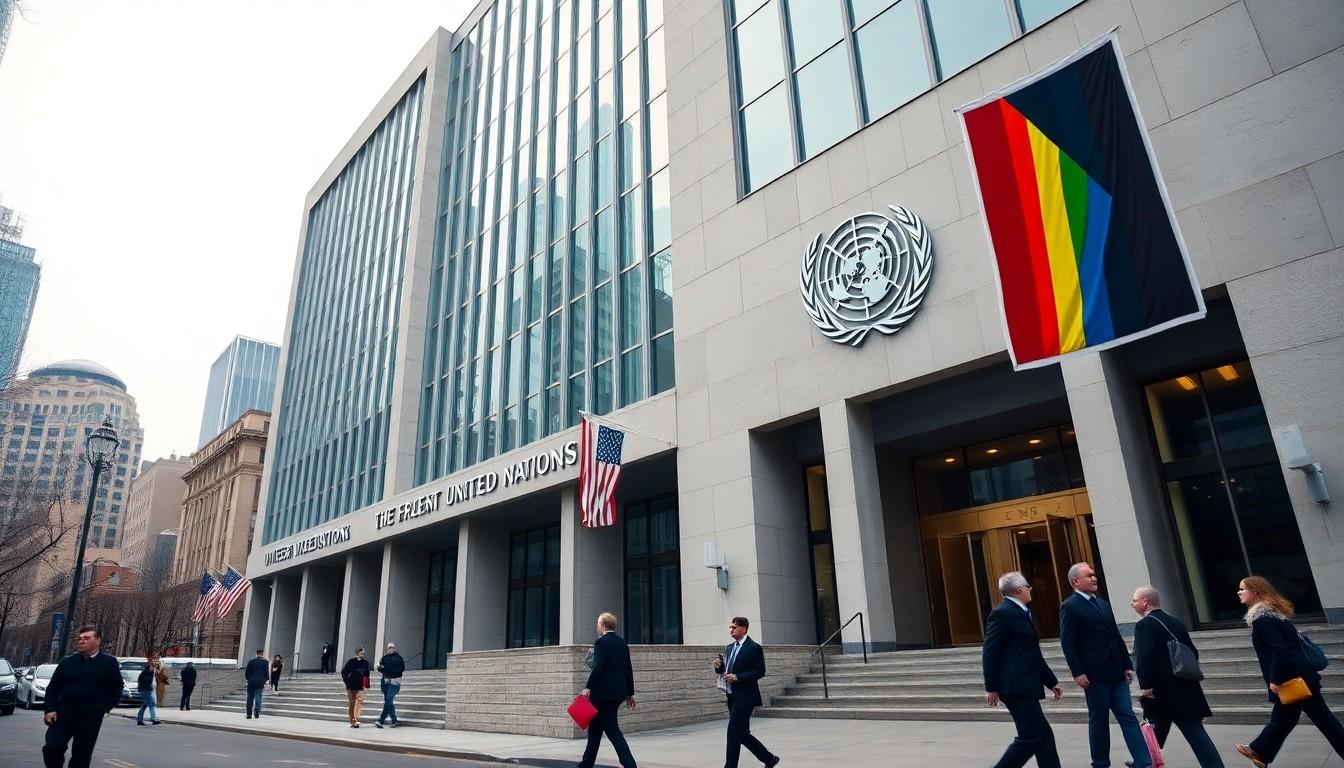
A crucial UN vote on targeted killings is due to test whether member states will keep naming sexual orientation and gender identity as grounds for heightened risk. The debate matters beyond diplomatic wording: a new Outright International report documents more than 230 killings of LGBTIQ people between 2020 and 2026, while cases in Iran and Britain show the human stakes.
Essential Takeaways
- A key vote is approaching: The UN General Assembly committee is scheduled to consider its biennial resolution on unlawful executions on Friday, 13 November.
- The documented toll is significant: Outright International reports more than 230 targeted killings of LGBTIQ people from January 2020 to July 2026.
- Explicit wording has a history: Sexual orientation was added to the resolution in 2002, followed by gender identity in 2012.
- A previous challenge failed: A 2024 proposal to replace the terms with “sex” was rejected in committee.
- The report warns of undercounting: Its cases are not a complete tally, partly because many states do not record victims’ identities or recognise anti-LGBTIQ hate crimes.
The UN vote is about more than words
The terms at the centre of the debate may look like a small detail in a resolution, but they identify people whose risk of being killed can be heightened by prejudice. On 13 November, a UN General Assembly committee is scheduled to vote on the biennial resolution on extrajudicial, summary or arbitrary executions, with a proposed amendment seeking to remove references to sexual orientation and gender identity.
The concern is not abstract. In Iran, 17-year-old Parsa was killed by his father in January 2024; the father was later sentenced to three years in prison, according to HRANA. In Britain, teenager Brianna Ghey was murdered in 2023 by two teenagers. The sentencing remarks recorded hostility towards her based on her transgender identity, while also considering the wider evidence and motivations in the case.
More than 230 killings, and likely more
Outright International’s report, “Killed for Who They Are”, documents more than 230 targeted killings of LGBTIQ people between January 2020 and July 2026. The people identified ranged in age from 12 to 77, and the report draws on 17 country case studies and cross-checked public reporting.
That figure is not a complete count. Outright International says killings can go unrecorded because many states do not track victims’ identities or recognise anti-LGBTIQ hate crimes. The report describes patterns including family violence, threats, extreme brutality and attacks on people who reject gender norms. It also says activists have been killed after seeking protection.
How the resolution became a flashpoint
The resolution has named sexual orientation since 2002 and gender identity since 2012. Those references have faced repeated challenges, including a 2024 amendment that sought to replace them with the word “sex”.
The International Service for Human Rights reported that the 2024 amendment was rejected in committee, and that the resolution later passed in the General Assembly with 137 votes in favour, none against and 47 abstentions. The latest proposed amendment, reported by PassBlue, would remove the explicit terms and substitute broader language about other considerations that can place people at heightened risk.
Why explicit protections matter
Naming specific grounds of risk can make targeted victims harder to overlook. Outright International says states may commit, enable or fail to prevent killings, while criminalisation and discriminatory institutions can obstruct reporting and justice. It urges governments to preserve explicit protections, investigate deaths effectively and collect data with due regard for privacy.
The UN’s own work gives the debate institutional weight. A 2024 report by Special Rapporteur Morris Tidball-Binz examines states’ responsibilities to prevent unlawful deaths, investigate them and ensure accountability. PassBlue cites his warning that government failure to protect LGBT, gender-diverse and intersex people can contribute to their deaths.
What to watch for in the vote
The immediate question is whether member states retain the existing references. But the broader test is whether the resolution continues to identify people who face targeted violence and signals that their deaths warrant investigation and justice.
For readers following the vote, it helps to separate the proposed wording from the evidence behind the debate: Outright International’s report offers case studies and explains why its tally is incomplete, while the UN Digital Library provides access to the Special Rapporteur’s official report. The language may be diplomatic, but the lives it seeks to recognise are not.
A vote on wording can still send a clear message about whose safety the world is prepared to name.
Source Reference Map
Story idea inspired by: [1]
Sources by paragraph: